BookBrief
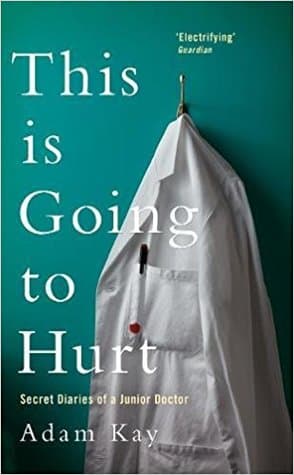
This Is Going to Hurt: Secret Diaries of a Junior Doctor cover
Archivist's Choice

This Is Going to Hurt: Secret Diaries of a Junior Doctor

Adam Kay (2017)

Genre

Biography / Memoir / Science

Reading Time

12 Minutes

Key Themes

See below

Track Your Reading

Sign in to track this book

A junior doctor shares a chaotic, funny, and sad account of life-or-death decisions, bodily fluids, and exhausting hours in this honest diary.

Core Idea

Adam Kay's 'This Is Going to Hurt' offers a brutally honest, darkly humorous, and often heartbreaking look into the life of a junior doctor in the UK's National Health Service (NHS). Through a collection of diary entries, the book exposes the immense pressures, long hours, emotional toll, and bureaucratic frustrations faced by doctors, while also celebrating the profound privilege and occasional absurdity of working on the front lines of healthcare. It's a powerful argument for better support for medical professionals and a vivid, unfiltered glimpse behind the hospital curtain.
Difficulty
Easy

Core idea

The central argument and framework that powers the entire book.

Adam Kay's 'This Is Going to Hurt' offers a brutally honest, darkly humorous, and often heartbreaking look into the life of a junior doctor in the UK's National Health Service (NHS). Through a collection of diary entries, the book exposes the immense pressures, long hours, emotional toll, and bureaucratic frustrations faced by doctors, while also celebrating the profound privilege and occasional absurdity of working on the front lines of healthcare. It's a powerful argument for better support for medical professionals and a vivid, unfiltered glimpse behind the hospital curtain.

At a glance

Difficulty

Easy

Key Takeaways

1

The Brutal Reality of Junior Doctor Hours

Unfathomable shifts lead to dangerous fatigue and compromised patient care.

Quote

The hours are not just long; they are inhumane, directly correlating with medical errors and burnout.

Kay clearly shows the demanding 97-hour weeks, often without enough breaks or sleep, that are common for junior doctors. He describes falling asleep at the wheel, hallucinating from being tired, and making big decisions while exhausted. This isn't just a personal problem; it's a system fault that risks patient safety. The book argues that these extreme hours are not a necessary step but a dangerous, old practice that needs quick change. The constant pressure and lack of rest hurt a doctor's ability to work well, leading to more mistak...

Supporting evidence

Kay's personal diary entries detail specific shifts, often exceeding 24 hours, and the resulting physical and mental strain, such as nearly crashing his car due to microsleeps.

Apply this

Advocate for stricter enforcement of working time directives and support for policies that prioritize doctor well-being to improve patient outcomes.


2

The Everyday Horror and Humor of the Wards

Gross-out moments and dark humor are coping mechanisms for unimaginable stress.

Quote

You learn to laugh at the things that would make a civilian vomit, because if you don't, you'll cry.

Kay balances the harsh realities of medical practice—the blood, guts, and bodily fluids—with a sharp, often dark, sense of humor. He mentions a constant 'tsunami of bodily fluids' and tells many gross stories, from removing things from body openings to dealing with explosive stomach issues. This humor, while surprising to outsiders, helps doctors cope with the huge pressure and trauma they face daily. It's a way to deal with the often strange and sad situations they see, creating some distance from the emotional cost. This shows how m...

Supporting evidence

Numerous anecdotes, such as the infamous 'pomegranate incident' or the discovery of a 'surprise' in a patient's rectum, are peppered throughout the diaries, highlighting the bizarre and often disgusting realities.

Apply this

Recognize that dark humor in high-stress professions is often a healthy coping mechanism, not a sign of callousness.

3

The Emotional Toll of Life and Death Decisions

Doctors carry the weight of every success and failure, often in silence.

Quote

You get used to seeing death, but you never get used to causing it, even when it's unavoidable.

Beyond physical tiredness, Kay shows the deep emotional burden doctors carry. He describes the joy of saving a life, but also the heavy guilt and sadness when a patient dies, especially if a decision or mistake played a part. The book points out the lack of official mental health support for doctors, forcing them to keep these traumas to themselves. Kay's own experiences with miscarriages and infant deaths, both as a doctor and in his personal life, are especially moving. They show how work affects personal life. This emotional openne...

Supporting evidence

Kay's personal reflections on delivering stillbirths or experiencing patient deaths, and the subsequent sleepless nights and self-doubt, underscore the immense emotional weight.

Apply this

Advocate for robust mental health support systems for healthcare professionals, including counseling and peer support, to prevent burnout and foster resilience.

4

The Financial Irony of a Junior Doctor's Salary

Highly skilled professionals are paid less than their parking meters.

Quote

My hospital parking meter earns more than I do.

One of the most notable lines from the book highlights the strange financial situation for junior doctors in the NHS. Kay explains how, after years of tough training, taking on huge responsibility, and working long hours, their take-home pay is very low. This is not just a complaint about money; it's a criticism of a system that undervalues its most important front-line staff. The comparison to the parking meter shows the clear difference between how important their work is seen and what they actually get paid. This greatly affects mo...

Supporting evidence

Kay's explicit comparison of his hourly wage to the hospital parking meter's earnings, along with descriptions of financial struggles despite his demanding profession.

Apply this

Support fair wage campaigns for healthcare workers and understand the economic pressures contributing to staffing shortages in public health systems.

5

The Unseen Sacrifices of Personal Life

Demanding medical careers often come at the cost of relationships and personal milestones.

Quote

My diary became my only confidant, because who else could understand why I missed every birthday, every anniversary, every normal life event?

Kay's diaries show how much his medical career affected his personal life. He often missed family events, anniversaries, and social gatherings because of his unpredictable and demanding schedule. This constant sacrifice strains relationships, especially with his long-term partner, and leads to feelings of loneliness and unhappiness. The book clearly shows that being a doctor is not just a 9-to-5 job; it's an all-consuming lifestyle that requires doctors to put patients first, often at great personal cost. This part of the book is part...

Supporting evidence

Repeated entries detailing missed family occasions, canceled plans with his partner, and the growing distance in his personal relationships due to his work commitments.

Apply this

Foster greater empathy for individuals in demanding professions and advocate for systemic changes that allow for a healthier work-life balance for essential workers.

6

The Bureaucracy and Inefficiency of the NHS

Doctors spend valuable time navigating systemic hurdles rather than treating patients.

Quote

Sometimes it felt like the biggest battle wasn't against disease, but against the system itself.

Beyond direct patient care, Kay often expresses his frustration with the slow processes and system problems within the NHS. This includes old technology, not enough staff, lack of resources, and complicated administrative tasks that waste time. He describes times when doctors have to go through many steps for basic supplies or treatments, or when patient care is delayed because of bed shortages or administrative errors. This argument focuses only on the doctor's view and doesn't go into the complex funding issues, but it clearly shows...

Supporting evidence

Examples include struggling with ancient computer systems, endlessly searching for available beds, or dealing with paperwork that detracts from direct patient interaction.

Apply this

Support initiatives aimed at modernizing healthcare infrastructure and streamlining administrative processes to free up medical professionals for patient care.

7

The Unsung Heroes of the Support Staff

The vital role of nurses, porters, and cleaners often goes unrecognized.

Quote

Without the nurses, the porters, the cleaners, the entire edifice would crumble. They are the true backbone.

While the book is from a doctor's view, Kay consistently highlights and praises the essential work of the wider hospital staff. He recognizes the dedication and hard work of nurses, porters, cleaners, and other support staff, often calling them the true unsung heroes of the NHS. He shows how these individuals often do extra work, give important emotional support to patients, and keep the hospital running despite huge pressures. This is an important point, reminding readers that healthcare is a team effort, and every role, no matter ho...

Supporting evidence

Kay's frequent commendations for nurses who provide continuity of care, porters who efficiently move patients, and cleaners who maintain hygiene under challenging circumstances.

Apply this

Actively acknowledge and appreciate the diverse roles within healthcare, understanding that effective patient care is a collaborative effort.

8

The Public's Misconceptions About Healthcare

Patients often arrive with unrealistic expectations or self-inflicted ailments.

Quote

The public thinks we're miracle workers, or sometimes, just their personal Google.

Kay often expresses annoyance with certain patient behaviors and public misunderstandings about healthcare. He tells many stories of patients coming to A&E with minor problems that could be handled at home or by a GP, or those with conditions made worse by their own choices. This is not a general criticism of patients, but rather a comment on the strain put on an already overworked system by improper use of resources and a lack of personal responsibility. This insight makes people aware of the need for better public health education a...

Supporting evidence

Anecdotes such as patients presenting with a hangnail, a cold, or self-inflicted injuries from reckless behavior, diverting resources from genuine emergencies.

Apply this

Educate oneself on appropriate use of healthcare services and promote preventative health measures to reduce unnecessary strain on emergency departments.

9

The Inevitable Scars of the Profession

Years of medical practice leave indelible marks on a doctor's psyche.

Quote

You don't just leave medicine; medicine leaves its mark on you, forever.

Ultimately, Kay's memoir shows the deep and lasting effect of a medical career on a person. He details the emotional scars, the cynicism from seeing suffering repeatedly, and the difficulty of returning to 'normal' life after witnessing so much. His eventual decision to leave medicine, though not described as a single event, is understood through all his experiences. This insight shows that being a doctor is not just a job, but an experience that changes one's view of life, death, and humanity, leaving a lasting mark long after the sc...

Supporting evidence

Kay's reflective passages towards the end of his diaries, where he questions his career choice and expresses profound fatigue and disillusionment with the system.

Apply this

Recognize and support the long-term psychological needs of former and current healthcare professionals, understanding that their experiences have a lasting impact.

Critical analysis

Notable Quotes

Quiz

Test Your Knowledge

Ready to see how well you understood this book? Take our interactive quiz with 10 questions.

10
Questions
~5
Minutes
?
Best Score

Key Questions (FAQ)

This Is Going to Hurt is a memoir by Adam Kay, detailing his experiences as a junior doctor in the NHS. It offers a candid and often humorous look at the demanding, emotional, and sometimes shocking realities of working on the front lines of healthcare.

About the author

Adam Kay

Adam Kay is a former junior doctor whose debut book, 'This Is Going to Hurt: Secret Diaries of a Junior Doctor,' became a global bestseller. The memoir, lauded for its humor and unflinching honesty, offers a raw glimpse into the life of medical professionals. Kay has since penned sequels and adapted his work for television, cementing his reputation as a compelling non-fiction author.