Hitler's Desperate Gamble
The audacious, yet ultimately flawed, strategic thinking behind the Ardennes Offensive.
Quote
Hitler believed that a massive, unexpected blow could shatter Allied unity and force a separate peace on the Western Front.
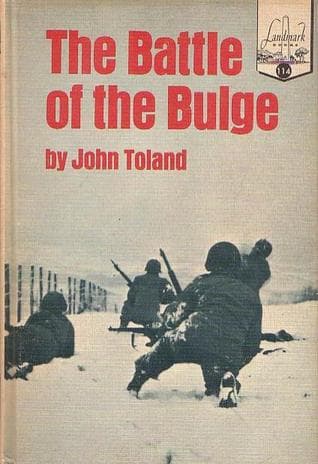
The Battle of the Bulge was Hitler's last effort to change the course of World War II. Toland shows Hitler's nearly delusional belief that a surprise attack through the Ardennes, a region previously thought impassable for tanks, could repeat the success of 1940. This plan, 'Watch on the Rhine,' aimed to divide Allied forces, take Antwerp, and surround four Allied armies, hoping to force the Western Allies to negotiate. The plan's scale and boldness, given Germany's lack of resources, show Hitler's detachment from reality but also his ...
Supporting evidence
Toland details the secrecy surrounding the planning, Hitler's personal involvement in its conception, and the belief that the element of surprise would compensate for Germany's material inferiority.
Apply this
Understand how desperation can lead to both audacious and catastrophic strategic decisions, and the importance of accurate intelligence to avoid being caught off guard by seemingly impossible plans.