BookBrief
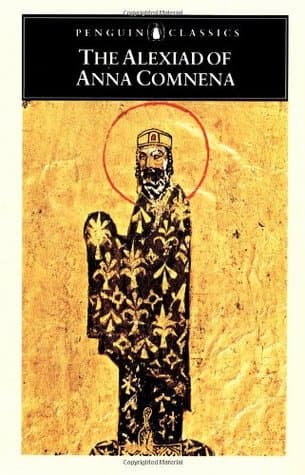
The Alexiad cover
Archivist's Choice

The Alexiad

Anna Comnena (1610)

Genre

Biography / History

Reading Time

1200 min

Key Themes

See below

Track Your Reading

Sign in to track this book

From the pen of a Byzantine princess, discover a vivid, partisan history of her emperor father's reign, where Norman invaders are 'nourished by manifold Evil' and Crusader allies earn scathing critiques, offering a unique Eastern counter-narrative to Western accounts of the First Crusade.

Core Idea

Anna Comnena's 'The Alexiad' is a historical biography that chronicles the reign of her father, Byzantine Emperor Alexios I Komnenos, from 1081 to 1118. Written in the 12th century, it is a defense of Alexios's policies and character, presenting him as a divinely appointed, wise leader who guided the Byzantine Empire through internal strife and external threats. Comnena, a highly educated princess, used her unique access and writing skill to depict Alexios as a military and diplomatic master, especially in his dealings with the Seljuk Turks, the Normans under Robert Guiscard, and the leaders of the First Crusade. The book offers an invaluable, if partisan, first-hand account of an important era, showing the political situation, military plans, and cultural differences between Byzantium and the West.
Reading time
1200 min
Difficulty
Hard
✓ Read this if...
You are a history enthusiast interested in primary sources on the Byzantine Empire, the Crusades, or medieval military and diplomatic history, and you appreciate a detailed, albeit biased, account from a remarkably intelligent woman.
✗ Skip this if...
You prefer modern, objective historical analyses or find lengthy, classical prose and detailed military campaigns challenging to follow. This book is also not for those seeking a quick overview.

Core idea

The central argument and framework that powers the entire book.

Anna Comnena's 'The Alexiad' is a historical biography that chronicles the reign of her father, Byzantine Emperor Alexios I Komnenos, from 1081 to 1118. Written in the 12th century, it is a defense of Alexios's policies and character, presenting him as a divinely appointed, wise leader who guided the Byzantine Empire through internal strife and external threats. Comnena, a highly educated princess, used her unique access and writing skill to depict Alexios as a military and diplomatic master, especially in his dealings with the Seljuk Turks, the Normans under Robert Guiscard, and the leaders of the First Crusade. The book offers an invaluable, if partisan, first-hand account of an important era, showing the political situation, military plans, and cultural differences between Byzantium and the West.

At a glance

Reading time

1200 min

Difficulty

Hard

Read this if...

You are a history enthusiast interested in primary sources on the Byzantine Empire, the Crusades, or medieval military and diplomatic history, and you appreciate a detailed, albeit biased, account from a remarkably intelligent woman.

Skip this if...

You prefer modern, objective historical analyses or find lengthy, classical prose and detailed military campaigns challenging to follow. This book is also not for those seeking a quick overview.

Key Takeaways

1

A Daughter's Defense

The Alexiad as a monumental act of filial piety and historical revisionism.

Quote

'The shining light of the world, the great Alexius'

Anna Comnena's 'The Alexiad' is more than a simple historical record; it is a defense of her father, Emperor Alexius I Comnenus. Written decades after his death, it strengthens his legacy, defends his policies, and elevates his status to that of a divinely chosen ruler. Anna, an educated and politically aware princess, used her access to court records, eyewitness accounts, and her own memories to create a story that consistently shows Alexius as a brilliant strategist, a devout Christian, and a benevolent leader, often at the expense ...

Supporting evidence

The consistent eulogizing language used to describe Alexius throughout the text, contrasted with the often scathing portrayals of his enemies like Robert Guiscard and Bohemond, serves as clear evidence of Anna's intent to elevate her father's image.

Apply this

When encountering historical narratives, especially those from figures closely tied to the subject, always consider the author's personal motivations and potential biases. Analyze the language and selective inclusion of details to discern underlying agendas.

historiographybias-in-historybyzantine-empirefilial-piety
2

Clash of Civilizations

Byzantine perspective on the First Crusade and Western 'barbarians'.

Quote

Anna's book offers a startlingly different perspective from that of Western historians.

Anna Comnena provides a counter-narrative to Western accounts of the First Crusade. From her Byzantine viewpoint, the Crusaders are often depicted as crude, uncivilized, and opportunistic 'barbarians' driven by greed rather than religious belief. She details their broken oaths, their plundering of Byzantine lands, and their general lack of discipline, painting a picture that strongly differs from the romanticized Western versions. This perspective shows the cultural gap and mutual suspicion between the sophisticated, ancient Christian...

Supporting evidence

Anna's detailed descriptions of the Crusaders' behavior upon arrival in Constantinople, their demands for provisions, their plundering, and her particular criticisms of figures like Godfrey of Bouillon and Bohemond for their perceived treachery and ambition.

Apply this

To gain a comprehensive understanding of historical events, seek out multiple perspectives, especially from different cultural or political viewpoints. Challenge dominant narratives by exploring marginalized or alternative accounts.

first-crusadebyzantine-western-relationscultural-clashhistorical-perspective
3

The Norman Menace

Robert Guiscard and Bohemond as formidable, almost mythical adversaries.

Quote

Robert Guiscard ('nourished by mainfold Evil') and his son Bohemond ('like a streaking thunderbolt')

Anna Comnena vividly portrays the Normans, especially Robert Guiscard and his son Bohemond, as the main enemies and most dangerous threats to the Byzantine Empire during Alexius's reign. Her descriptions are not merely historical; they are deeply personal and often exaggerated, showing the Normans as cunning, ambitious, and militarily powerful figures. Guiscard is depicted as a master of deception and strategy, while Bohemond is a formidable warrior and a constant concern for Alexius. This characterization highlights the threat these ...

Supporting evidence

Anna dedicates significant portions of the Alexiad to detailing the Norman campaigns against Byzantium, their sieges, battles, and diplomatic maneuvers, consistently emphasizing their skill and the immense challenge they presented to Alexius.

Apply this

In analyzing historical conflicts, understand that antagonists are often depicted with exaggerated traits to emphasize the heroism or ingenuity of the protagonist. Look beyond the rhetoric to understand the actual military and political strengths of all parties.

norman-conquestmilitary-strategybyzantine-warfarerobert-guiscardbohemond
4

A Woman's Voice in History

Anna Comnena's unique position as a female historian and intellectual.

Quote

The Alexiad is a vivid and dramatic narrative, which reveals as much about the character of its intelligent and dynamic author as it does about the fascinating period through which she lived.

Anna Comnena is a notable figure in medieval historiography, not only for her work's scope and detail but also as one of the earliest known female historians. Born into the imperial family, she received an exceptional education, studying rhetoric, philosophy, mathematics, and medicine — subjects rarely available to women of her time. Her intellect and command of language are clear throughout 'The Alexiad', which shows her analytical skills, character descriptions, and understanding of political and military affairs. Her voice offers a...

Supporting evidence

Anna's detailed recounting of intricate political negotiations, military tactics, and medical observations demonstrates her advanced education and intellectual capabilities, far beyond what was typical for women in the 12th century.

Apply this

Recognize the importance of diverse voices in historical records. Seek out and value the contributions of individuals who defied societal norms, as their unique perspectives often enrich our understanding of the past.

female-historiansbyzantine-intellectualswomen-in-historymedieval-scholarship
5

Byzantine Diplomatic Prowess

Alexius's mastery of negotiation, alliances, and strategic manipulation.

Quote

Alexius, 'nourished by manifold Evil,' was, in fact, a master of strategy and diplomacy.

Anna Comnena consistently highlights Emperor Alexius I's diplomatic skills as a main part of his reign. Faced with constant threats from Normans, Pechenegs, Seljuk Turks, and the Crusaders, Alexius rarely relied only on military force. Instead, he used a range of diplomatic tools: making and breaking alliances, using financial incentives, playing rivals against each other, and engaging in negotiations. His ability to navigate these political situations, often turning potential enemies into temporary allies or neutralizing threats with...

Supporting evidence

The numerous instances where Alexius uses diplomacy to manage the Crusaders, securing oaths of fealty and guiding them through Byzantine territory, or his complex negotiations with the Pechenegs and other barbarian tribes, demonstrate his diplomatic acumen.

Apply this

Understand that military strength is often complemented, and sometimes overshadowed, by effective diplomacy and strategic alliances in international relations. Look for the subtle power plays and negotiations that shape historical outcomes.

byzantine-diplomacygeopoliticsalexius-istrategic-alliancesmedieval-statecraft
6

The Burden of Leadership

Alexius's constant struggle against internal and external enemies.

Quote

He was like 'a streaking thunderbolt' of energy, constantly battling on multiple fronts.

Anna Comnena paints a vivid picture of the burden on Emperor Alexius I, who inherited a struggling empire attacked on all sides. His reign was a series of crises, from Norman invasions and Pecheneg incursions to the complex arrival of the First Crusaders. Anna details Alexius's efforts, his strategic skill, his personal courage in battle, and his concern for the safety of his empire. This portrayal emphasizes the personal sacrifice and constant watchfulness required of a Byzantine emperor, especially during such a difficult period, ma...

Supporting evidence

Anna's accounts of Alexius's personal participation in battles, his sleepless nights strategizing, and his constant need to raise funds and troops to counter successive threats, from the Battle of Dyrrhachium to the numerous campaigns against the Turks and Pechenegs.

Apply this

Leadership, especially in times of crisis, demands extraordinary resilience, strategic foresight, and personal sacrifice. Appreciate the complexities and immense pressures faced by historical leaders, moving beyond simplistic heroic narratives.

leadership-challengesbyzantine-crisisimperial-responsibilityalexius-comnenus
7

The Power of Rhetoric

Anna's masterful use of language to shape perception and historical memory.

Quote

Her character sketches are shrewd and forthright – from the Norman invader... to Pope Gregory VII ('unworthy of a high priest').

Anna Comnena's 'The Alexiad' shows how rhetoric influences historical memory. Her use of classical Greek, narrative techniques, and characterizations are not just decorative; they help her achieve her goal: to praise Alexius and defend his legacy. She uses vivid imagery, dramatic tension, and chosen epithets to elevate her father and diminish his critics. By presenting her narrative with such conviction and literary style, Anna not only records history but also creates a specific version of it, showing how an author's linguistic skill...

Supporting evidence

Her highly descriptive and often judgmental portrayals of individuals like Robert Guiscard ('nourished by manifold Evil') and Pope Gregory VII ('unworthy of a high priest') exemplify her use of rhetoric to guide the reader's opinion.

Apply this

Critically analyze the language and rhetorical devices used in historical texts. Understand that authors employ specific techniques to persuade, influence, and shape the reader's perception of events and characters.

rhetoric-in-historyhistorical-narrativeliterary-analysisbyzantine-literaturepersuasion
8

A Window into Byzantine Court Life

Glimpses into the political intrigue, luxury, and intellectualism of Constantinople.

Quote

The Alexiad... reveals as much about the character of its intelligent and dynamic author as it does about the fascinating period through which she lived.

Beyond military campaigns and diplomacy, 'The Alexiad' offers insights into the daily life, customs, and political culture of the Byzantine imperial court. Anna, as a princess, provides an insider's view of the luxury, strict protocols, intellectual pursuits, and constant intrigue that defined Constantinople. Her descriptions cover imperial ceremonies, theological debates, family dynamics, and succession struggles. This look at court life humanizes the historical figures and provides a deeper understanding of the sophisticated, yet of...

Supporting evidence

Anna's detailed accounts of imperial family events, the education she received, the political discussions at court, and the various plots and counter-plots involving members of the imperial family and nobility.

Apply this

When studying history, look beyond major events to understand the social, cultural, and political micro-climates that shaped them. Recognize how personal relationships and courtly dynamics influenced grand historical decisions.

byzantine-culturecourt-intrigueconstantinoplemedieval-societyimperial-family
9

The Role of Divine Providence

History as a reflection of God's will and Alexius's piety.

Quote

'It was God Himself who was fighting on our side, and this was clearly evident to all.'

Anna Comnena, a devout Orthodox Christian, often frames historical events within a theological context, attributing successes to divine intervention and failures to God's testing or punishment. For Anna, Alexius's triumphs are not just the result of his strategic skill but are clear signs of God's favor, showing he was the chosen instrument for preserving the Byzantine Empire. This theme of divine providence highlights the religious beliefs of the era and how Byzantine historians integrated theological explanations into their narrativ...

Supporting evidence

Anna repeatedly invokes God's direct involvement in battles, the miraculous survival of Alexius, and the downfall of his enemies, often interpreting events as divine judgment or blessing.

Apply this

When analyzing historical texts from religiously devout periods, recognize the role of divine providence as a common explanatory framework. Understand how religious beliefs shaped historical interpretations and political legitimacy.

divine-providencebyzantine-theologyreligious-historyimperial-legitimacyorthodoxy
10

A Saga of Resilience

The Alexiad as a testament to the Byzantine Empire's enduring strength amidst adversity.

Quote

He was the 'shining light' that prevented the world from plunging into darkness.

Ultimately, 'The Alexiad' is a narrative of resilience, showing the Byzantine Empire's ability to survive and even succeed despite facing continuous threats. Through Anna's detailed accounts of Alexius's reign, readers see an empire that, though often near collapse, consistently found the internal strength, strategic skill, and diplomatic cunning to resist powerful enemies from all directions. The book shows the enduring strength of Byzantine institutions, its military, and the ingenuity of its leadership, demonstrating how a sophisti...

Supporting evidence

The sheer number of crises detailed in the book – Norman invasions, Pecheneg wars, Seljuk pressures, and the First Crusade – all overcome or managed during Alexius's reign, culminating in a period of relative stability for the empire.

Apply this

Study historical periods of intense adversity to understand the mechanisms of resilience, adaptation, and crisis management employed by states and societies. Identify the factors that allow entities to persist against overwhelming odds.

byzantine-resilienceempire-survivalcrisis-managementhistorical-endurancebyzantine-strength

Critical analysis

Notable Quotes

For my father was not merely a good emperor, but the best of all emperors who have ever sat upon the Roman throne.

Anna's opening praise of her father, Emperor Alexios I Komnenos, setting the tone for the biography.

He was a man of great stature, with a commanding presence, and his eyes were like lightning.

Anna's physical description of her father, emphasizing his威严 and power.

The affairs of the Romans are in a piteous state, and the empire is tottering to its fall.

Anna describes the dire situation of the Byzantine Empire before her father's reign.

For he knew that the best way to rule is to be loved by one's subjects, and to be feared only when necessary.

Anna explains Alexios' approach to governance and maintaining authority.

The Latins are in all respects untrustworthy, and their greed knows no bounds.

Anna's critical view of Western Crusaders during the First Crusade.

He was a master of stratagems, and in war he was like a lion, but in council he was as gentle as a lamb.

Anna contrasts her father's military prowess with his diplomatic skills.

The empire is like a great ship, which, when it springs a leak, must be repaired with all speed, lest it sink.

Anna uses a metaphor to describe the urgent need for reforms under Alexios.

For history is the witness of the times, the light of truth, the life of memory, the teacher of life, the messenger of antiquity.

Anna reflects on the importance and purpose of writing history.

He was ever vigilant, and his vigilance was the salvation of the state.

Anna praises her father's constant attention to imperial duties and threats.

The Turks are a fierce and warlike people, but they are not without a certain nobility.

Anna's nuanced view of the Seljuk Turks, whom Alexios fought repeatedly.

In his heart, he bore the weight of the whole world, yet he never showed it in his countenance.

Anna describes the immense burdens her father carried as emperor.

For it is not the crown that makes the king, but the king who makes the crown.

Anna emphasizes that true authority comes from character, not mere symbols.

The women of our family have always been learned, and I have followed in their footsteps.

Anna asserts her own intellectual credentials and family tradition.

He was a pillar of the church, and his piety was as great as his courage.

Anna highlights her father's religious devotion alongside his military achievements.

Quiz

Test Your Knowledge

Ready to see how well you understood this book? Take our interactive quiz with 10 questions.

10
Questions
~5
Minutes
?
Best Score

Key Questions (FAQ)

The Alexiad is a historical biography written by Anna Comnena about the reign of her father, Byzantine Emperor Alexius I. It covers key events like the Byzantine war with the Normans and the First Crusade, offering a Byzantine perspective that often contrasts with Western accounts.

About the author

Anna Comnena was a Byzantine princess and historian, best known for her historical epic, The Alexiad. This comprehensive chronicle details the reign of her father, Emperor Alexios I Komnenos, offering a unique perspective on the First Crusade and Byzantine politics of the 11th and 12th centuries. As one of the earliest female historians, her work provides invaluable insights into medieval history and the role of women in intellectual life.