“The gun went off. And Quenton Cassidy, the greatest runner of his generation, was not there.”
— Opening line, setting the scene for Quenton's absence from a major race.

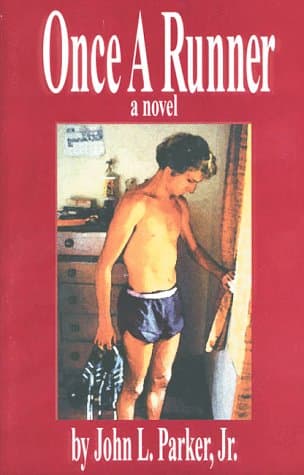
John L. Parker Jr. (1978)
Genre
Health
Reading Time
220 min
Key Themes
See below
Sign in to track this book
Stripped of his team and scholarship, collegiate runner Quenton Cassidy retreats to a monastic existence, sacrificing everything for the singular, obsessive pursuit of breaking the four-minute mile against the greatest miler in history.
“The gun went off. And Quenton Cassidy, the greatest runner of his generation, was not there.”
— Opening line, setting the scene for Quenton's absence from a major race.
“The real purpose of running isn't to win a race, it's to test the limits of the human heart.”
— A reflection on the deeper meaning and motivation behind running.
“The only good race is the one you win. The only good life is the one you live.”
— Cassidy's determined and uncompromising perspective on success.
“Don't be a slave to your training log. Be a master of your body.”
— Advice on listening to one's body rather than blindly following a training plan.
“There is no finish line. There are only plateaus.”
— A realization about the continuous nature of improvement and challenges in running.
“He knew that the only way to beat the pain was to run through it, to embrace it, to make it his own.”
— Cassidy's mental approach to overcoming physical discomfort during a race.
“The greatest race is not always the one with the fastest time, but the one with the most heart.”
— Emphasizing the importance of effort and spirit over mere statistics.
“Every day you don't run, you lose a little bit of yourself.”
— A strong statement about the essential role running plays in a runner's identity.
“Running is a form of meditation, a way to clear the mind and connect with the self.”
— Describing the meditative and introspective aspects of running.
“The human body is capable of far more than the mind believes.”
— Highlighting the potential for physical endurance beyond perceived limits.
“To be a runner is to be an artist of the body, a poet of motion.”
— An eloquent description of the aesthetic and expressive qualities of running.
“There are no shortcuts to any place worth going.”
— A general life lesson applied to the rigorous demands of running.
“He ran not to escape life, but to embrace it.”
— Clarifying the positive motivation behind Cassidy's dedication to running.
“The track was his canvas, and his strides were the brushstrokes.”
— Another artistic metaphor for the act of running.
Ready to see how well you understood this book? Take our interactive quiz with 10 questions.
Anonymous, Alcoholics Anonymous
4.5
Mark Rippetoe
4.4
Atul Gawande
4.4
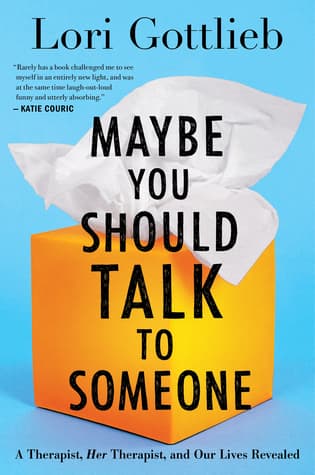
Lori Gottlieb
4.4

Bruce Lee
4.4
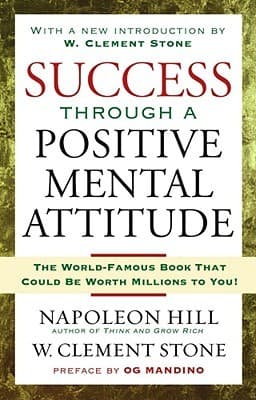
Napoleon Hill
4.3
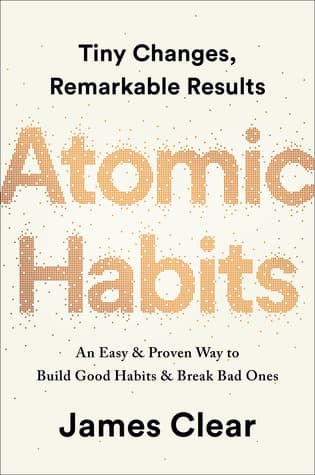
James Clear
4.3
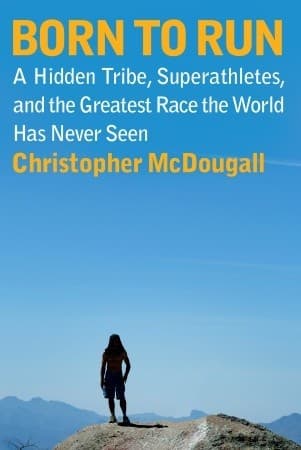
Christopher McDougall
4.3