BookBrief
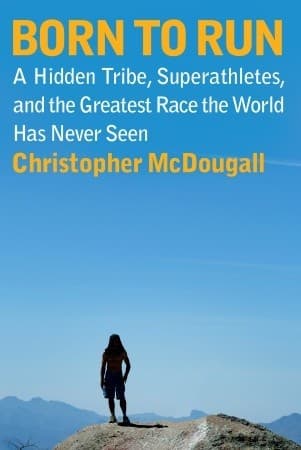
Born to Run: A Hidden Tribe, Superathletes, and the Greatest Race the World Has Never Seen cover
Archivist's Choice

Born to Run: A Hidden Tribe, Superathletes, and the Greatest Race the World Has Never Seen

Christopher McDougall (2009)

Genre

Lifestyle / Biography / Memoir / Health / Science

Reading Time

12 Minutes

Key Themes

See below

Track Your Reading

Sign in to track this book

A journalist's quest to understand his running injuries leads him to Mexico's Copper Canyons, where he uncovers the secrets of the Tarahumara runners and challenges common beliefs about the human body's natural ability to run.

Core Idea

Christopher McDougall's "Born to Run" explores the idea that humans are naturally built for long-distance running, and that modern running shoes and training methods may be contributing to injuries rather than preventing them. Through the story of the reclusive Tarahumara tribe in Mexico's Copper Canyons, who run hundreds of miles in minimalist sandals without injury, McDougall investigates the science, history, and culture of running to argue for a return to more natural running forms and footwear. The book champions the joy and inherent human capacity for endurance running, challenging conventional wisdom in the athletic world. The central argument posits that the joy of running is inherent to human nature, and that our bodies are exquisitely adapted for it. The book critiques the multi-billion dollar running shoe industry, suggesting that its products, with their excessive cushioning and support, actually weaken feet and lead to more injuries. Instead, McDougall advocates for minimalist running and a focus on natural form, drawing lessons from both evolutionary biology and the practices of elite ultrarunners, particularly the Tarahumara, to demonstrate the potential for injury-free, joyful, and extraordinary endurance.
Difficulty
Medium

Core idea

The central argument and framework that powers the entire book.

Christopher McDougall's "Born to Run" explores the idea that humans are naturally built for long-distance running, and that modern running shoes and training methods may be contributing to injuries rather than preventing them. Through the story of the reclusive Tarahumara tribe in Mexico's Copper Canyons, who run hundreds of miles in minimalist sandals without injury, McDougall investigates the science, history, and culture of running to argue for a return to more natural running forms and footwear. The book champions the joy and inherent human capacity for endurance running, challenging conventional wisdom in the athletic world.

The central argument posits that the joy of running is inherent to human nature, and that our bodies are exquisitely adapted for it. The book critiques the multi-billion dollar running shoe industry, suggesting that its products, with their excessive cushioning and support, actually weaken feet and lead to more injuries. Instead, McDougall advocates for minimalist running and a focus on natural form, drawing lessons from both evolutionary biology and the practices of elite ultrarunners, particularly the Tarahumara, to demonstrate the potential for injury-free, joyful, and extraordinary endurance.

At a glance

Difficulty

Medium

Key Takeaways

1

The Barefoot Revolution

Modern running shoes may be the root cause of many running injuries, not the solution.

Quote

The greatest running injury of all is the running shoe.

McDougall argues that cushioned running shoes, common today, weaken our feet and encourage poor running form. This leads to more injuries like shin splints, plantar fasciitis, and knee pain. He believes our feet are naturally designed for running. When we put them in thick soles, we lose awareness of the ground and the ability to land softly. This idea goes against years of common belief and challenges the athletic footwear industry. It suggests that the technology meant to protect us might be doing the opposite. This is a strong and ...

Supporting evidence

Analysis of injury rates among shod vs. unshod populations, and the observation of the Tarahumara's injury-free running in huaraches or barefoot.

Apply this

Experiment with minimalist footwear or gradually incorporate barefoot running into your routine to strengthen foot muscles and improve natural running form. Focus on a forefoot or midfoot strike.

2

Our Evolutionary Running Heritage

Humans are uniquely evolved for endurance running, a trait crucial to our survival.

Quote

We are born to run.

McDougall looks at scientific evidence that suggests humans can run long distances, and are built for it. He points out body features like our springy Achilles tendons, strong gluteal muscles, the nuchal ligament (which steadies the head during running), and efficient sweat glands. These are all adaptations for persistence hunting, an old method of running prey until it tires out. This view of evolution makes running seem less like just a sport and more like a basic part of human identity and survival. The book claims that by ignoring...

Supporting evidence

Dr. Daniel Lieberman's research on human evolutionary adaptations for running, and comparisons of human anatomy to other mammals.

Apply this

Embrace running as a natural human activity, not just a workout. Find joy in movement and connect with your ancestral capabilities.

3

The Tarahumara Paradox

A reclusive tribe's ancient running culture offers profound lessons on health, happiness, and athletic potential.

Quote

They don't run to live; they live to run.

The book's main story is about the Tarahumara (Rarámuri), an indigenous tribe in Mexico's Copper Canyons. They are known for their ability to run long distances and their seemingly healthy, injury-free lives. They run hundreds of miles for travel, hunting, and social events, often in simple sandals (huaraches) or barefoot, showing a clear enjoyment of movement. McDougall uses their example to show that running can be healthy and connect people, free from the stress and injury linked to modern running. Their diet, lifestyle, and belief...

Supporting evidence

McDougall's ethnographic account of the Tarahumara's running practices, diet, and social structure, including their multi-day 'rarajipari' races.

Apply this

Seek joy and connection in your physical activities, emulate a simpler, more natural approach to movement, and consider running as a social activity rather than a solitary grind.

4

The Power of 'Caballo Blanco'

A mysterious hermit serves as a bridge between two vastly different running worlds.

Quote

I was looking for the greatest runners on Earth, and I found the greatest human being I'd ever met.

Micah True, known as 'Caballo Blanco' (White Horse), is a key person in the book. He was an American ultrarunner who lived with the Tarahumara. He guided McDougall into the Copper Canyons and introduced him to the tribe's ways. Caballo Blanco combined Western ultra-endurance with Tarahumara philosophy, showing that a person can connect these different worlds. His dedication to the Tarahumara and his idea for the Copper Canyon race show how running and cultural exchange can change lives. His story adds a human element to the scientific...

Supporting evidence

The narrative of Caballo Blanco's life among the Tarahumara, his role in organizing the race, and his philosophical insights.

Apply this

Seek out mentors who embody the values you aspire to, and be open to unconventional paths and perspectives in your own journey.

5

The Joy of Running (Correr Corriendo)

True running pleasure comes from a relaxed, efficient, and joyful approach, not from suffering.

Quote

You don't stop running when you get old, you get old when you stop running.

A main idea from the Tarahumara is 'correr corriendo' – running with joy. Unlike the often tough, pain-focused approach of modern competitive running, the Tarahumara run with a sense of play, community, and ease. They focus on relaxed form, light impact, and a strong connection to their surroundings. This suggests that aiming for speed and distance does not have to mean suffering. Instead, it can be a source of deep satisfaction and well-being. This challenges the common 'no pain, no gain' belief in Western fitness.

Supporting evidence

Observations of Tarahumara runners during races and daily life, their laughter and lightheartedness, and their lack of perceived effort over long distances.

Apply this

Focus on enjoying your runs, listening to your body, and cultivating a relaxed, efficient form. Prioritize fun over forced performance.

6

Fueling the Ultra-Machine

Simple, natural whole foods are superior fuel for endurance, challenging complex sports nutrition.

Quote

Eat like a Tarahumara: mostly plants, some meat, and lots of chia.

McDougall looks at the Tarahumara diet, which mainly consists of corn, beans, squash, chili peppers, and small amounts of meat. They famously drink 'iskiate' (chia seed drink). This simple, natural diet is very different from the processed gels, drinks, and supplements often used by Western endurance athletes. The book suggests our bodies are made to thrive on natural, unprocessed foods, and that complex sports nutrition plans might overcomplicate what should be simple. This idea has limits, as extreme ultra-endurance efforts might ne...

Supporting evidence

Description of the Tarahumara diet and their sustained energy levels during extreme endurance events.

Apply this

Prioritize whole, unprocessed foods in your diet, especially plant-based options. Consider natural energy sources like chia seeds for sustained endurance.

7

The Ultra-Running Community

The extreme sport of ultrarunning fosters a unique, supportive, and often eccentric community.

Quote

The only way to find your limits is to go beyond them.

Beyond the Tarahumara, McDougall introduces many people from the American ultrarunning scene – unusual individuals, champions, and 'average' people pushing extreme limits. This community, often outside mainstream sports, is marked by friendship, support, and a shared desire to explore human ability. The book shows how these athletes, despite their individual goals, form strong bonds. They often find more satisfaction in the shared experience and self-discovery than in winning. This part of the book highlights the social and mental ben...

Supporting evidence

Stories of various ultrarunners like Scott Jurek, Jenn Shelton, and Barefoot Ted, and their interactions during training and races.

Apply this

Seek out communities that share your passions, even if they seem niche. Embrace the challenges with others who understand the journey.

8

The Mind-Body Connection in Endurance

Mental fortitude and a positive mindset are as crucial as physical training for extreme distances.

Quote

The secret to running is to just relax and keep going.

McDougall often emphasizes the mental side of endurance running. The Tarahumara's calm approach, ultrarunners' ability to push through pain, and McDougall's own change all point to the mind's great power. The book suggests that many of our perceived physical limits are mental. With the right mindset – one of calm, acceptance, and even joy – the body can do much more than we imagine. This idea is especially empowering, as it implies that anyone can access greater endurance by building mental toughness.

Supporting evidence

Tarahumara's sustained running with minimal perceived effort, Scott Jurek's mental strategies, and McDougall's personal experience overcoming pain barriers.

Apply this

Practice mindfulness and positive self-talk during your runs. Focus on the present moment and cultivate a sense of calm resilience when faced with discomfort.

9

Injury is Not Inevitable

Many common running injuries are preventable through proper form, footwear, and training.

Quote

Your body has been designed to run, not to break.

McDougall's initial search to understand 'why my foot hurts' leads him to realize that ongoing running injuries are not a necessary part of the sport. By watching the Tarahumara and researching how the body moves, he argues that the common 'heel strike' with modern cushioned shoes is not efficient and causes damage. Changing to a forefoot or midfoot strike, along with minimal footwear that lets the foot work naturally, can greatly lower injury risk. This offers hope and practical advice to many runners frustrated by recurring problems...

Supporting evidence

The contrast between high injury rates in Western runners and virtually none among the Tarahumara, coupled with biomechanical analysis of foot strike and impact forces.

Apply this

Educate yourself on proper running form, focusing on a light, quick cadence and a forefoot/midfoot strike. Gradually transition to less supportive footwear if desired.

Critical analysis

Notable Quotes

Quiz

Test Your Knowledge

Ready to see how well you understood this book? Take our interactive quiz with 10 questions.

10
Questions
~5
Minutes
?
Best Score

Key Questions (FAQ)

Born to Run is an epic adventure that explores the secrets of the Tarahumara Indians, a tribe of incredible distance runners from Mexico's Copper Canyons. The book investigates why the author's foot hurt and leads to the discovery that much of what we believe about running might be wrong.

About the author

Christopher McDougall

Christopher McDougall is a journalist and author celebrated for his deep dives into the world of running. His bestselling book, "Born to Run," explored the secrets of the Tarahumara tribe and challenged conventional wisdom about human endurance. McDougall's work often blends adventure, science, and compelling storytelling within the realm of non-fiction.