BookBrief
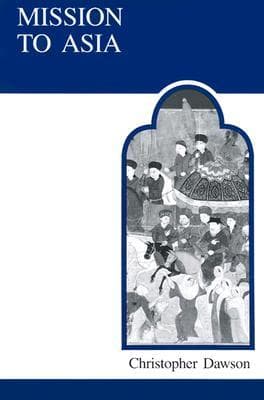
Mission to Asia cover
Archivist's Choice

Mission to Asia

Christopher Henry Dawson (1966)

Genre

History

Reading Time

6-8 hours

Key Themes

See below

Track Your Reading

Sign in to track this book

Two friars, acting as Christendom's reluctant envoys, travel into the Mongol Empire during its 13th-century expansion, delivering the West's first eyewitness accounts of a world being remade.

Core Idea

Christopher Dawson's "Mission to Asia" reconstructs the history of early European encounters with the Mongol Empire in the 13th and 14th centuries, focusing on missionary and diplomatic efforts. The book argues that these interactions, often born of desperation and driven by religious zeal and geopolitical need, helped end European isolation. They gave the West its first unfiltered understanding of Asian cultures and set the stage for future global connections. Dawson highlights how these 'unsung servants of Christendom' navigated large cultural and geographical differences, offering valuable firsthand accounts that show both the Mongols' brutal methods and their psychological effect on Europeans. This helped bridge a gap of ignorance and created an initial, if often unwilling, understanding between East and West.
Reading time
6-8 hours
Difficulty
Medium
✓ Read this if...
You are fascinated by medieval history, the history of East-West relations, the Mongol Empire, or the role of early Christian missionaries and diplomats in shaping global understanding. This book is ideal for those who appreciate historical empathy derived from primary sources.
✗ Skip this if...
You prefer modern, narrative-driven history over academic analysis heavily reliant on primary source interpretation, or you are looking for a light, quick read on the Mongols. The focus is less on Mongol military campaigns and more on the European perspective and diplomatic/missionary efforts.

Core idea

The central argument and framework that powers the entire book.

Christopher Dawson's "Mission to Asia" reconstructs the history of early European encounters with the Mongol Empire in the 13th and 14th centuries, focusing on missionary and diplomatic efforts. The book argues that these interactions, often born of desperation and driven by religious zeal and geopolitical need, helped end European isolation. They gave the West its first unfiltered understanding of Asian cultures and set the stage for future global connections. Dawson highlights how these 'unsung servants of Christendom' navigated large cultural and geographical differences, offering valuable firsthand accounts that show both the Mongols' brutal methods and their psychological effect on Europeans. This helped bridge a gap of ignorance and created an initial, if often unwilling, understanding between East and West.

At a glance

Reading time

6-8 hours

Difficulty

Medium

Read this if...

You are fascinated by medieval history, the history of East-West relations, the Mongol Empire, or the role of early Christian missionaries and diplomats in shaping global understanding. This book is ideal for those who appreciate historical empathy derived from primary sources.

Skip this if...

You prefer modern, narrative-driven history over academic analysis heavily reliant on primary source interpretation, or you are looking for a light, quick read on the Mongols. The focus is less on Mongol military campaigns and more on the European perspective and diplomatic/missionary efforts.

Key Takeaways

1

The Mongol Crucible

The 13th-century Mongol Empire as a cataclysmic force reshaping global order.

Quote

The whole oriental world from Korea to Hungary was being turned upside down and remade by one of the greatest catastrophes in the history of the world.

Dawson frames the Mongol expansion not just as conquests, but as a world-altering event that reshaped societies across Eurasia. The accounts of Carpini and Rubruck are valuable because they document this transformation, a time when established political, social, and religious orders fell under the Mongol advance. This was not just a power shift; it was a remaking of the global landscape, creating new paths for trade, communication, and conflict, changing the direction of both East and West. The scale and speed of this change, from Kor...

Supporting evidence

The book's introduction emphasizes the unprecedented scale and impact of the Mongol conquests, describing them as 'one of the greatest catastrophes in the history of the world' that turned the 'oriental world from Korea to Hungary... upside down'.

Apply this

When analyzing historical periods of rapid, widespread change, look beyond simple cause-and-effect to understand the systemic 'remaking' of societies. Consider how such periods create entirely new paradigms, not just modifications of existing ones.

mongol-empire13th-century-geopoliticscatastrophic-change
2

Diplomacy of Desperation

Western embassies to the Mongols were born of fear and a desperate search for allies, not missionary zeal.

Quote

Their travels were not missionary journeys in the strict sense, but were more of the nature of political embassies.

Carpini and Rubruck's missions, though often seen as early Christian outreach, were practical political efforts. Western Christendom, especially after the Mongol attacks into Europe (like the Battle of Legnica in 1241), was afraid. The popes and European monarchs sent these envoys not primarily to convert the 'Tartars,' but to gather intelligence, assess the Mongol threat, and explore a possible alliance against Islamic powers in the Holy Land. This strategic need shows the existential fear driving European policy and reveals a more c...

Supporting evidence

Dawson explicitly states that Carpini and Rubruck's travels 'were not missionary journeys in the strict sense, but were more of the nature of political embassies,' driven by the need for intelligence and potential alliances.

Apply this

When examining historical interactions, always question the stated motivations against the backdrop of geopolitical realities. Often, 'religious' or 'cultural' missions have strong underlying political or economic drivers.

medieval-diplomacymongol-european-relationspolitical-embassies
3

First Contact, Unfiltered

These accounts offer a unique, raw glimpse into the initial clash of civilizations between East and West.

Quote

They give a first-hand authentic account of the first contact between Western Christendom and the Far East.

The accounts of Carpini and Rubruck are primary sources detailing the earliest direct encounters between Western Europeans and the Mongol Empire at its height. Unlike later, more formal interactions, these accounts capture the shock, wonder, and often confusion of men facing a different culture, political system, and military power. Their observations, though sometimes influenced by their own biases, provide an 'authentic account' of what it was like to enter the heart of the Mongol world – its nomadic life, military skill, administra...

Supporting evidence

Dawson highlights that the accounts provide 'a first-hand authentic account of the first contact between Western Christendom and the Far East'.

Apply this

Seek out and prioritize primary sources from initial contact periods in history. These often contain unique insights into cultural shock, early perceptions, and unvarnished observations before later narratives become polished or biased by subsequent events.

primary-sourcescultural-encountereast-west-contactmedieval-travel-writing
4

Unsung Servants of Christendom

Despite lacking sainthood, Carpini and Rubruck served Christendom with profound historical impact.

Quote

Nevertheless, they were servants of Christendom as few men have been.

Dawson argues that even without the veneration given to canonized saints, Carpini and Rubruck's contributions to Christendom were immense. Their dangerous journeys, taken with no guarantee of return, provided intelligence that informed papal and European strategies against the Mongol threat. By going into the heart of the 'Tartar' lands, they risked their lives and expanded the West's geographical and cultural horizons. Their reports, though not purely evangelistic, indirectly served Christendom by offering a practical understanding o...

Supporting evidence

The text explicitly states that 'they were servants of Christendom as few men have been,' despite not being canonized saints.

Apply this

Recognize that historical impact and 'service' extend beyond official titles or religious veneration. Many unsung individuals, driven by duty or necessity, have made profound, lasting contributions to their societies or causes.

historical-impactunsung-heroesmedieval-explorersservice-to-church
5

Beyond the Missionary Myth

The true value of these accounts lies in their objective reporting, not their religious intent.

Quote

The authors were not canonized saints or beati, and their travels were not missionary journeys in the strict sense...

A common misunderstanding about medieval travel to non-Christian lands is that it was always driven by evangelism. Dawson corrects this for Carpini and Rubruck, stating their primary role as political emissaries. This distinction is important because it allows us to appreciate their narratives for their objective, ethnographic value rather than solely through a religious lens. While deeply religious men, their mission required accurate observation of Mongol society, military organization, and customs. This practical need led to detail...

Supporting evidence

Dawson's introduction clearly states their travels 'were not missionary journeys in the strict sense,' emphasizing their political nature and the authors' lack of sainthood.

Apply this

Challenge romanticized or simplified historical narratives. Always look for the underlying pragmatic, political, or economic realities that often shape even seemingly idealistic endeavors.

historical-revisionismethnographic-accountspolitical-versus-religious-missionsmedieval-travel-literature
6

A Window into Mongol Praxis

These accounts provide unparalleled detail on Mongol administration, military, and daily life.

Quote

They give a first-hand authentic account... at the moment when the whole oriental world... was being turned upside down and remade.

The strength of Carpini and Rubruck's reports lies in their detailed descriptions of how the Mongol Empire worked. They describe the postal system (yam), military discipline, camp organization, legal code (yassa), and even aspects of their diet and customs. This level of detail, gathered through direct observation and interviews, gives historians a valuable look into the practical realities of a nomadic empire that conquered half the known world. It goes beyond battle chronicles to show the administrative skill and efficiency that sup...

Supporting evidence

The narratives themselves are the evidence, filled with specific observations about Mongol customs, military organization, court etiquette, and the yam system, which Dawson's commentary frames as crucial insights into the 'remaking' of the world.

Apply this

When studying powerful historical empires, seek out accounts that detail not just their conquests, but also their administrative structures, logistical capabilities, and daily life, as these are often key to understanding their enduring power.

mongol-administrationnomadic-empires13th-century-military-tacticshistorical-ethnography
7

The Psychological Impact of the 'Tartars'

The Mongol threat fundamentally altered the European psyche and strategic outlook.

Quote

This at the moment when the whole oriental world... was being turned upside down and remade by one of the greatest catastrophes...

The Mongol invasions, especially the devastating incursions into Eastern Europe, caused lasting terror across Christendom. The 'Tartars' were seen as an apocalyptic force, divine punishment, or precursors to the Antichrist. This psychological effect is important for understanding the urgency and danger of Carpini and Rubruck's missions. Their reports, while providing facts, also shaped European perceptions, confirming the Mongols' power while perhaps demystifying them slightly by presenting them as human, though fearsome, adversaries....

Supporting evidence

The book's framing of the Mongol expansion as a 'catastrophe' underscores the profound fear and upheaval it caused in the West, prompting the missions.

Apply this

Analyze how existential threats shape collective psychology and strategic decision-making in historical periods. Consider how perceptions of an 'other' can be both terrifying and, through direct contact, lead to more nuanced understanding.

medieval-fearpsychology-of-warmongol-threateuropean-identity
8

Bridging Ignorance and Understanding

These journeys were vital in replacing rumor with direct observation, however incomplete.

Quote

They give a first-hand authentic account of the first contact between Western Christendom and the Far East.

Before Carpini and Rubruck, European knowledge of lands beyond the Islamic world came from myths, fragmented reports, and speculation. Their journeys, though difficult and dangerous, helped bridge this gap of ignorance. By bringing back direct observations – even if filtered through their own cultural lenses – they began to replace fantastical rumors with data about the geography, peoples, and political structures of Inner Asia. This information, however imperfect, laid the groundwork for future European engagement with the East, turn...

Supporting evidence

Dawson emphasizes the 'first-hand authentic account' they provided, directly contrasting it with the prevailing ignorance and speculation of the time.

Apply this

Recognize the historical importance of early explorers and chroniclers in expanding human knowledge and dispelling myths, even when their accounts contain biases or inaccuracies. Their effort to 'see for themselves' is foundational to understanding.

geographical-discoverydispelling-mythsearly-explorationknowledge-acquisition
9

Historical Empathy Through Primary Sources

Reading these accounts fosters empathy for medieval travelers facing an alien world.

Quote

They were servants of Christendom as few men have been.

Reading Carpini and Rubruck's narratives creates a strong sense of historical empathy. One can imagine the foreignness, constant danger, and endurance needed for such a journey in the 13th century. These men traveled thousands of miles into an alien culture, often treated with suspicion or disrespect, with little comfort and constant threat. Understanding their experiences – their courage, cultural shock, and attempts to understand a different world – increases our appreciation not just for their missions, but for the human spirit of ...

Supporting evidence

The entire premise of the book, presenting these specific, detailed narratives, encourages the reader to step into their shoes and understand their unique historical context and challenges.

Apply this

Actively seek out primary source documents to gain a deeper, more empathetic understanding of historical figures and their experiences, moving beyond abstract historical facts to human realities.

historical-empathyprimary-source-analysismedieval-travelershuman-resilience
10

The Genesis of Global Interconnectedness

These journeys mark an early, albeit violent, stage in global interconnectedness.

Quote

They give a first-hand authentic account of the first contact between Western Christendom and the Far East...

The missions of Carpini and Rubruck, prompted by the Mongol 'catastrophe,' are an early, often brutal, introduction to a more globally connected world. While the interactions were initially driven by fear and political necessity, they opened channels of communication, trade, and cultural exchange with long-term consequences. The Mongol Empire, by uniting parts of Eurasia, created conditions for a more integrated world, even if the immediate 'contact' was tense. These journeys are not just stories of bravery, but markers in the slow, c...

Supporting evidence

The book's description of the Mongol impact across Eurasia 'from Korea to Hungary' directly implies the creation of a vast, interconnected realm that facilitated these contacts.

Apply this

When studying periods of seemingly isolated history, look for the subtle or dramatic ways in which different regions or cultures began to interact, even indirectly, contributing to a broader narrative of global interconnectedness.

global-historyinterconnectednesscultural-exchangemongol-legacy

Critical analysis

Notable Quotes

The history of the relations between Europe and Asia is not merely a record of wars and conquests, but also of profound cultural interchange.

Introductory remarks on the long-standing and complex relationship between the two continents.

It was above all through the Church that the West received its first clear and continuous knowledge of the remoter East.

Discussing the role of early Christian missions in transmitting knowledge about Asia to Europe.

The medieval missionary was not only a preacher of the Gospel, but also an explorer, a diplomat, and a recorder of strange peoples and customs.

Describing the multifaceted roles undertaken by medieval missionaries in Asia.

The Mongols, despite their destructive conquests, paradoxically opened up new channels of communication between East and West.

Analyzing the unintended consequences of the Mongol Empire on trade and cultural exchange.

The story of the Franciscan missions in China is one of heroic endeavour against overwhelming odds.

Focusing on the challenges and dedication of Franciscan friars in their attempts to evangelize China.

Travelers like Marco Polo were exceptional, but they represented a growing European curiosity about the vast and wealthy empires of the East.

Placing Marco Polo within the broader context of European interest in Asian riches and cultures.

The success or failure of these early missions often depended as much on political circumstances as on theological arguments.

Highlighting the significant influence of political stability and imperial policies on missionary work.

The resilience of traditional Asian cultures proved a formidable barrier to the complete assimilation of Western ideas.

Observing the difficulty encountered by Western missionaries in fundamentally altering deeply entrenched Asian cultural practices.

It is impossible to understand the medieval mind without appreciating its profound sense of spiritual adventure and its boundless capacity for wonder.

Reflecting on the motivations and worldview of medieval Europeans who undertook journeys to distant lands.

The great flaw in many European attempts to engage with Asia was the assumption of cultural superiority.

Critiquing the ethnocentric perspective that often hindered effective communication and understanding.

The Silk Road was not just a conduit for goods, but a vibrant artery for the exchange of ideas, technologies, and religions.

Emphasizing the comprehensive nature of exchanges along the Silk Road beyond mere commerce.

Even in an age of limited communication, the impact of events in one part of the Eurasian landmass could reverberate across continents.

Illustrating the interconnectedness of Eurasian history despite the challenges of distance.

The story of these missions is not just about the West going East, but also about the East subtly influencing the West.

Underscoring the reciprocal nature of cultural exchange, even when seemingly one-sided.

Quiz

Test Your Knowledge

Ready to see how well you understood this book? Take our interactive quiz with 10 questions.

10
Questions
~5
Minutes
?
Best Score

Key Questions (FAQ)

'Mission to Asia' compiles the firsthand accounts of John of Plano Carpini and William of Rubruck, two thirteenth-century envoys from Western Christendom to the Mongol Empire. Their journeys, primarily political embassies rather than religious missions, offer a unique perspective on the initial contact between Europe and the Far East during a period of immense upheaval caused by the Mongol conquests.

About the author

Christopher Henry Dawson

Christopher Henry Dawson was a British historian and Catholic philosopher known for his scholarly works on the history of culture and religion. His most notable book, "Mission to Asia," explores the historical interactions between Eastern and Western civilizations. Dawson's writings often synthesized historical analysis with theological insights, earning him recognition as a significant voice in 20th-century Catholic intellectual thought.