Naturalism's Self-Refuting Flaw
If all thought is merely a byproduct of matter, then reason itself is undermined.
Quote
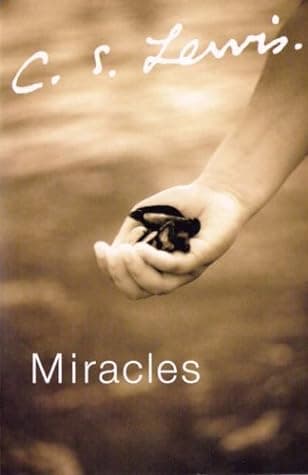
If naturalism is true, then all thoughts, including the thought of naturalism itself, are merely the results of physical causes. They are not 'about' anything in the sense of being true or false, but are simply events like digestion or a thunderstorm. Therefore, if naturalism were true, we could never know it to be true.
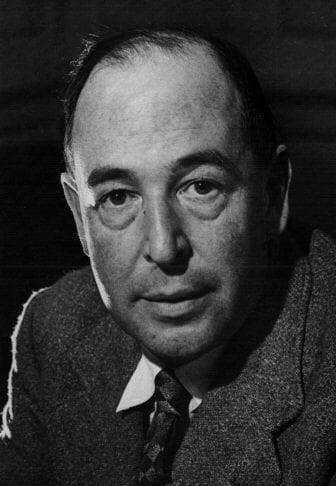
Lewis argues that Naturalism—the belief that only nature and physical forces exist—undermines itself. If our thoughts and reasoning come from material causes (like brain chemistry), then there is no reason to trust if those thoughts are valid or true. Our reasoning would be no more 'true' than a stomach ache. To say Naturalism is true requires using reason, which Naturalism itself treats as just a physical event. This creates a problem: if Naturalism is true, we have no basis to believe it, or anything else, through rational thought. ...
Supporting evidence
Lewis's extended philosophical argument in Chapter 3, 'The Self-Contradiction of Naturalism,' where he meticulously dissects the implications of a universe without a transcendent mind.
Apply this
Before dismissing the supernatural, rigorously examine the philosophical underpinnings of your own worldview. Does your framework allow for the possibility of genuine knowledge and rational thought, or does it inadvertently undermine them? Recognize that a consistent naturalism provides no ultimate basis for trusting reason itself.