BookBrief
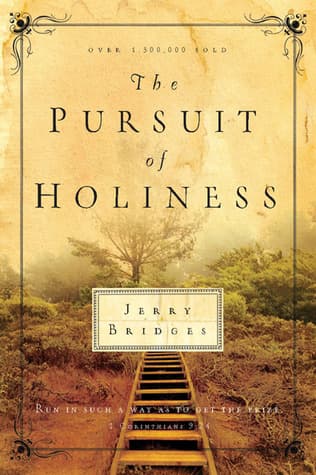
The Pursuit of Holiness cover
Archivist's Choice

The Pursuit of Holiness

Jerry Bridges (1978)

Genre

Spirituality

Reading Time

160 min

Key Themes

See below

Track Your Reading

Sign in to track this book

Jerry Bridges explains the Christian's active part in seeking holiness, separating God's role from human effort to connect God's command with daily life.

Core Idea

Jerry Bridges's "The Pursuit of Holiness" says that holiness is a divine command, not an optional extra, and every believer can achieve it through human effort and God's grace. The book explains that holiness is not an automatic result of being justified. Instead, it is a lifelong, active effort that includes consciously fighting sin, studying God's Word, and understanding that sin is always a choice. Bridges stresses that God gives the means and power, but believers are responsible for consistent, disciplined effort to live like Christ, ultimately to glorify God.
Reading time
160 min
Difficulty
Medium
✓ Read this if...
You are a Christian seeking a practical, no-nonsense guide to understanding and actively pursuing personal holiness, tired of passive approaches to spiritual growth, or needing a robust theological and practical framework for combating sin in your daily life.
✗ Skip this if...
You are looking for a highly academic theological treatise, prefer a more narrative or anecdotal approach to spiritual growth, or are not interested in a systematic, effort-based approach to sanctification.

Core idea

The central argument and framework that powers the entire book.

Jerry Bridges's "The Pursuit of Holiness" says that holiness is a divine command, not an optional extra, and every believer can achieve it through human effort and God's grace. The book explains that holiness is not an automatic result of being justified. Instead, it is a lifelong, active effort that includes consciously fighting sin, studying God's Word, and understanding that sin is always a choice. Bridges stresses that God gives the means and power, but believers are responsible for consistent, disciplined effort to live like Christ, ultimately to glorify God.

At a glance

Reading time

160 min

Difficulty

Medium

Read this if...

You are a Christian seeking a practical, no-nonsense guide to understanding and actively pursuing personal holiness, tired of passive approaches to spiritual growth, or needing a robust theological and practical framework for combating sin in your daily life.

Skip this if...

You are looking for a highly academic theological treatise, prefer a more narrative or anecdotal approach to spiritual growth, or are not interested in a systematic, effort-based approach to sanctification.

Key Takeaways

1

Holiness is a Command, Not a Suggestion

God's call to holiness is a non-negotiable imperative for believers.

Quote

The pursuit of holiness is not an option. It is a command of God.

Bridges states that holiness is not just for especially religious people, but a direct command from God, based on His character: 'Be holy, for I am holy.' This command, found in both the Old and New Testaments (Leviticus 11:44, 1 Peter 1:15-16), means that seeking holiness is a key part of living as a Christian. It is not about being perfect, but about a continuous, conscious effort to live according to God's moral standards. Not seeking holiness means ignoring a basic part of God's will for His people, which shows a misunderstanding ...

Supporting evidence

Bridges repeatedly cites biblical passages like 1 Peter 1:15-16 and Leviticus 11:44-45, emphasizing the consistent divine command throughout scripture. He argues that the very nature of God as holy necessitates a corresponding holiness in those who bear His name.

Apply this

Regularly meditate on biblical commands for holiness. Ask yourself daily: 'In what areas of my life can I better reflect God's holiness?' Identify one specific area to address each week, such as speech, thought life, or integrity in work.

divine-commandbiblical-mandatechristian-ethics
2

Our Part: Diligent Effort

Holiness requires active, disciplined participation and effort from the believer.

Quote

The pursuit of holiness is a joint venture between God and the believer.

Bridges challenges a passive approach to sanctification. He says that God gives the power, but we are responsible for the 'pursuit.' This means diligent effort, self-discipline, and a conscious choice to obey God's Word. It is not a situation where we do nothing and 'let go, let God,' but an active use of our will, mind, and body to resist sin and develop righteousness. God's grace fuels this effort, but it does not lessen our responsibility. Think of it like training for a sport: the coach gives the plan and motivation, but the athle...

Supporting evidence

He draws on passages like Philippians 2:12-13 ('work out your own salvation with fear and trembling, for it is God who works in you') to demonstrate the interplay between human effort and divine enablement. He emphasizes that 'working out' implies active participation.

Apply this

Identify specific areas of sin you struggle with. Develop a practical plan to resist temptation (e.g., avoiding certain environments, accountability partners, memorizing scripture). Regularly engage in spiritual disciplines like prayer and Bible study, viewing them as active training for godliness.

sanctificationspiritual-disciplineself-control
3

God's Part: Empowering Grace

God provides the necessary power and grace for us to live a holy life.

Quote

We cannot live a holy life in our own strength. We must depend upon the power of the Holy Spirit.

While our effort is important, Bridges makes it clear that we cannot achieve holiness through willpower alone. God's grace, specifically the Holy Spirit living in us, enables us. The Spirit shows us our sin, empowers us to obey, and changes our desires. This means our efforts are not self-reliant but depend on the Spirit. We strive, knowing that it is God 'who works in you to will and to act according to his good purpose' (Philippians 2:13). This divine help removes the burden of impossible self-perfection and replaces it with the joy...

Supporting evidence

Bridges refers to the role of the Holy Spirit as our Helper and Enabler (John 14:26, Romans 8:13). He highlights that without the Spirit's power, our pursuit would be futile, emphasizing the divine sovereignty in our sanctification.

Apply this

Before engaging in any spiritual effort or facing temptation, consciously pray for the Holy Spirit's empowerment. Acknowledge your dependence on Him. Regularly confess your inability to achieve holiness in your own strength and ask for His grace to transform you.

holy-spiritdivine-gracespiritual-empowerment
4

Sin Is Always a Choice

Every act of sin is a volitional decision, not an uncontrollable impulse.

Quote

We are never forced to sin. We always choose to sin.

This is a difficult but basic truth: Bridges says that every sin we commit is ultimately a choice. While circumstances, temptations, and our fallen nature certainly affect us, they do not force us. We always can say 'no' to sin, empowered by the Holy Spirit. This view breaks down the excuses we often make for our failures ('I couldn't help it,' 'It just happened') and puts responsibility on us. Understanding sin as a choice is important for repentance and for actively resisting temptation, as it highlights our role in the fight for ho...

Supporting evidence

He often refers to James 1:13-15, which explains that temptation originates from our own evil desires, and 'after desire has conceived, it gives birth to sin.' This shows that the process involves our internal agreement.

Apply this

When you recognize temptation, pause and consciously acknowledge that you have a choice. Pray for strength to choose righteousness in that moment. After sinning, avoid blaming circumstances or others; instead, take full responsibility and confess it as your choice.

moral-responsibilitytemptationvolition
5

Mortification of Sin: An Ongoing Battle

Holiness involves actively putting to death sinful desires and practices.

Quote

The battle against sin is a lifelong battle, and it requires daily mortification.

Bridges uses the biblical idea of 'mortification' (from Romans 8:13 and Colossians 3:5), which means actively 'putting to death' our sinful desires and practices. This is not a one-time event but a continuous, aggressive spiritual fight against the 'flesh.' It involves identifying specific sins, confessing them, and then actively taking steps to weaken those sinful desires and develop their righteous opposites. This requires watchfulness, self-denial, and a willingness to accept discomfort for the sake of godliness. It is a harsh but ...

Supporting evidence

He heavily relies on Romans 8:13 ('if by the Spirit you put to death the misdeeds of the body, you will live') and Colossians 3:5 ('put to death, therefore, whatever belongs to your earthly nature'). He illustrates this with practical examples of resisting specific temptations.

Apply this

Identify one 'besetting sin' you consistently struggle with. Develop a specific, measurable plan to 'mortify' it, involving prayer, accountability, and practical steps to avoid triggers. Regularly review your progress and adjust your strategy.

sin-managementspiritual-warfareself-denial
6

The Role of the Word of God

Scripture is essential for understanding, pursuing, and sustaining holiness.

Quote

The Word of God is our ultimate guide for knowing what holiness is and how to pursue it.

Bridges stresses the essential role of God's Word in seeking holiness. Scripture shows God's character, defines sin, describes righteous living, and provides principles for spiritual growth. Without regularly reading the Bible, our understanding of holiness becomes subjective, our efforts go in the wrong direction, and our spiritual discernment weakens. The Word acts as a mirror, showing us our true condition; a lamp, guiding our steps; and a sword, enabling us to fight sin. It is not just intellectual knowledge but a transforming pow...

Supporting evidence

He frequently quotes verses like Psalm 119:9-11 ('How can a young man keep his way pure? By living according to your word.') and 2 Timothy 3:16-17, highlighting the Bible's sufficiency for teaching, rebuking, correcting, and training in righteousness.

Apply this

Commit to daily, systematic Bible reading and meditation. Don't just read, but ask: 'What does this passage reveal about God's holiness? What does it teach me about sin or righteousness? How can I apply this today?' Memorize key verses related to holiness and temptation.

scripture-studybiblical-literacyspiritual-guidance
7

Holiness is More Than Just Avoiding Sin

True holiness involves actively cultivating positive Christ-like virtues.

Quote

Holiness is not merely the absence of sin, but the presence of Christ-like character.

A common misunderstanding is that holiness is simply about not doing bad things. Bridges corrects this, saying that true holiness is a positive, active pursuit of righteousness and Christ's virtues. It is not enough to stop lying; we must also seek truthfulness. It is not enough to stop being angry; we must cultivate patience and love. This 'positive' side of holiness involves actively putting on the 'new self' (Ephesians 4:24), developing the fruit of the Spirit (Galatians 5:22-23), and imitating Christ in our thoughts, words, and ac...

Supporting evidence

He refers to passages that list virtues, such as Galatians 5:22-23 (the fruit of the Spirit) and Philippians 4:8 (whatever is true, noble, right, pure, lovely, admirable). He emphasizes that these are not merely suggestions but aspects of a holy life.

Apply this

Beyond identifying sins to mortify, identify specific virtues you want to cultivate (e.g., patience, kindness, generosity). Pray for these virtues and actively look for opportunities to practice them in your daily interactions. Read biographies of godly individuals to inspire you.

christian-virtuescharacter-developmentfruit-of-the-spirit
8

The Importance of Accountability

Having trusted spiritual companions is vital for encouragement and correction in holiness.

Quote

We need the help of other believers to pursue holiness effectively.

No one seeks holiness alone. Bridges highlights the important role of Christian community and accountability. Having trusted brothers and sisters in Christ who can encourage us, pray for us, challenge us, and lovingly confront our sin is very valuable. This shared journey gives perspective, reduces chances for self-deception, and offers needed support during struggles or discouragement. True accountability is not just reporting failures but actively inviting others into our spiritual lives to help us become more like Christ. It protec...

Supporting evidence

He cites passages like Hebrews 10:24-25 (not giving up meeting together, but encouraging one another) and Proverbs 27:17 ('As iron sharpens iron, so one person sharpens another') to underscore the communal aspect of spiritual growth.

Apply this

Seek out one or two trusted believers with whom you can share your struggles and goals in holiness. Meet regularly to pray for each other, confess sin, and encourage one another. Be open to receiving loving correction.

christian-communityspiritual-accountabilityfellowship
9

Don't Confuse Justification with Sanctification

Understanding the distinct roles of imputed righteousness and progressive holiness is crucial.

Quote

Justification is God's work for us; sanctification is God's work in us.

Bridges carefully distinguishes between justification and sanctification, an important theological point for avoiding despair and legalism. Justification is a one-time legal act where God declares us righteous based on Christ's perfect life and death—it is imputed righteousness. Sanctification, on the other hand, is the ongoing process of becoming actually holy in our character and conduct. We are justified by faith alone, but we are sanctified through faith and diligent effort, empowered by the Spirit. Mixing these two can lead to th...

Supporting evidence

He explains how Romans 3-5 clearly delineates justification by faith, while Romans 6-8 focuses on the believer's struggle with sin and growth in holiness, illustrating the two distinct yet related aspects of salvation.

Apply this

Regularly remind yourself of your justified standing in Christ – your acceptance is not based on your performance. Then, with that security, apply yourself with renewed vigor to the pursuit of sanctification, knowing your efforts are a response to grace, not a means to earn it. Avoid comparing your progress to others.

justificationsanctificationimputed-righteousnessprogressive-holiness
10

The Goal: Glorifying God

The ultimate purpose of pursuing holiness is to bring glory to God.

Quote

The pursuit of holiness is for the glory of God. Our holiness makes Him look good.

Bridges ends by reminding us of the main reason for seeking holiness: to glorify God. When believers live lives that reflect God's character—lives of integrity, love, purity, and righteousness—they show His goodness and power in a fallen world. Our holiness is not for our own pride or comfort, but so that others might 'see your good deeds and glorify your Father in heaven' (Matthew 5:16). This higher purpose gives strong motivation, turning the often-difficult struggle against sin into a joyful act of worship and devotion.

Supporting evidence

He draws on passages like 1 Corinthians 10:31 ('whatever you do, do it all for the glory of God') and Matthew 5:16, showing that our transformed lives are meant to point others to the source of that transformation.

Apply this

Before making significant decisions or engaging in daily tasks, ask yourself: 'How can this action or attitude bring glory to God?' Let this question be a guiding principle for your choices and efforts in pursuing holiness. Pray that your life would be a testament to His transforming grace.

god's-gloryworshipchristian-witness

Critical analysis

Notable Quotes

Holiness is not a series of do's and don'ts, but conformity to the character of God and obedience to the will of God.

Bridges defines holiness as more than rule-following, emphasizing a relational and moral alignment with God.

We must face the fact that we have a personal responsibility for our walk of holiness.

Bridges stresses individual accountability in spiritual growth, countering passive attitudes.

God has made provision for our holiness, but He has given us the responsibility of working out that holiness in our daily lives.

Explains the balance between divine grace and human effort in pursuing holiness.

The pursuit of holiness is a joint venture between God and the Christian.

Highlights the cooperative nature of spiritual growth, involving both divine and human action.

Sin is not only what we do but what we are.

Bridges delves into the nature of sin as inherent condition, not just actions.

We are not to love the world or anything in the world.

A call to reject worldly values and attachments, based on biblical teachings.

Our first step toward holiness is to recognize our sinfulness and our need for God's grace.

Emphasizes humility and dependence on grace as foundational to holiness.

Holiness is not an option for the Christian; it is a necessity.

Asserts the essential role of holiness in authentic Christian living.

We must learn to say 'no' to sin and 'yes' to God.

Practical advice on making daily choices that align with holiness.

The Holy Spirit is the one who enables us to live a holy life.

Highlights the role of the Holy Spirit in empowering believers for holiness.

We are to be holy because God is holy.

Roots the call to holiness in the character of God, quoting Leviticus.

Our progress in holiness is often slow and imperceptible, but we must persevere.

Encourages patience and persistence in the gradual process of spiritual growth.

The Bible is our guidebook for holiness.

Stresses the importance of Scripture in directing the pursuit of holiness.

We cannot compartmentalize our lives into secular and sacred; all of life is to be lived under God's lordship.

Challenges the division between spiritual and everyday activities, advocating for holistic devotion.

Quiz

Test Your Knowledge

Ready to see how well you understood this book? Take our interactive quiz with 10 questions.

10
Questions
~5
Minutes
?
Best Score

Key Questions (FAQ)

The book explores the biblical command to be holy as God is holy, focusing on the Christian's responsibility in pursuing holiness. Jerry Bridges clarifies the balance between relying on God's grace and taking personal action in spiritual growth.

About the author