BookBrief
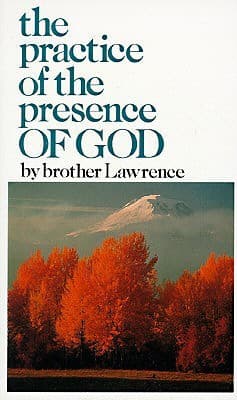
The Practice of the Presence of God cover
Archivist's Choice

The Practice of the Presence of God

Brother Lawrence (1967)

Genre

Spirituality

Reading Time

90 min

Key Themes

See below

Track Your Reading

Sign in to track this book

Learn how a 17th-century cook found constant, joyful connection with God in everyday tasks, even in life's busiest moments.

Core Idea

Brother Lawrence says that the best spiritual practice is to be continuously aware of God's presence in every moment and action, no matter how ordinary. By consistently and simply remembering God, a person can find deep peace, joy, and closeness with the Divine. This transforms all of life into an ongoing prayer. He believes this practice is for everyone, no matter their job or religious background. He stresses that God 'paints Himself within' when we open ourselves to this constant connection, and that true devotion becomes a state of being, not just formal prayer.
Reading time
90 min
Difficulty
Easy
✓ Read this if...
You seek a simple, profound, and practical guide to cultivating a continuous spiritual awareness and finding God in everyday life, or if you are looking for a gentle approach to deepen your relationship with the Divine beyond formal religious rituals.
✗ Skip this if...
You prefer highly academic theological texts, are looking for a complex philosophical argument, or are not interested in contemplative or devotional spiritual practices.

Core idea

The central argument and framework that powers the entire book.

Brother Lawrence says that the best spiritual practice is to be continuously aware of God's presence in every moment and action, no matter how ordinary. By consistently and simply remembering God, a person can find deep peace, joy, and closeness with the Divine. This transforms all of life into an ongoing prayer. He believes this practice is for everyone, no matter their job or religious background. He stresses that God 'paints Himself within' when we open ourselves to this constant connection, and that true devotion becomes a state of being, not just formal prayer.

At a glance

Reading time

90 min

Difficulty

Easy

Read this if...

You seek a simple, profound, and practical guide to cultivating a continuous spiritual awareness and finding God in everyday life, or if you are looking for a gentle approach to deepen your relationship with the Divine beyond formal religious rituals.

Skip this if...

You prefer highly academic theological texts, are looking for a complex philosophical argument, or are not interested in contemplative or devotional spiritual practices.

Key Takeaways

1

The Constant Act of Presence

Cultivating an unbroken awareness of God in every moment, not just during designated prayer.

Quote

The greatest secret of living in the kingdom of God here on earth... is the art of 'practicing the presence of God in one single act that does not end.'

Brother Lawrence's main teaching is about making awareness of God a constant state, not just something done now and then. He believes true spiritual devotion is not limited to specific prayer times or holy places but should be part of all daily life. This 'single act that does not end' means having a continuous, underlying focus of the heart on God, turning everyday tasks into worship. It is about moving from a spiritual life that is separate from daily life to one that is integrated, where God's presence is always there. This continu...

Supporting evidence

Brother Lawrence's personal testimony of maintaining the same communion with the Lord whether 'bustling around in the kitchen—with several people asking questions at the same time—or on his knees in prayer.'

Apply this

Consciously invite God's presence into routine tasks like washing dishes, commuting, or working. Before starting an activity, take a brief moment to acknowledge God's presence and offer the task as an act of love or service to Him. Regularly check in with this awareness throughout the day.


unbroken-communionsacramental-livingmindfulness-of-god
2

God Paints Himself Within

Our role is receptivity; God is the active agent in revealing His presence in our souls.

Quote

It is God who paints Himself in the depths of our souls. We must merely open our hearts to receive Him and His loving presence.

This point stresses a deep spiritual humility: spiritual change and experiencing God's presence are God's actions, not human achievements. Brother Lawrence suggests that our main role is not to force God's presence but to have an open, welcoming heart. This means letting go of the need to control spiritual experiences and trusting that God will show Himself when we are open. It is a call to surrender, recognizing that the 'painting' is God's work, and our part is simply to offer our soul as a canvas, free from too much effort and expe...

Supporting evidence

His statement that 'It is God who paints Himself in the depths of our souls,' highlighting divine agency over human striving.

Apply this

Practice moments of quiet receptivity. Instead of actively trying to feel God's presence, simply sit or stand in silence, opening your heart and mind, and inviting God to reveal Himself as He wills. Release the pressure to 'perform' spirituality.

divine-gracespiritual-receptivitysurrender
3

Equality in Devotion

All tasks, from the most menial to the most sacred, can be equally consecrated through God's presence.

Quote

The time he spent in communion with the Lord should be the same, whether he was bustling around in the kitchen—with several people asking questions at the same time—or on his knees in prayer.

Brother Lawrence completely redefines how spiritual tasks are valued. He says that an activity's spiritual worth is not in the activity itself but in the intention and awareness brought to it. A cook's chores, like washing dishes or preparing meals, can be as spiritually deep and connected with God as an hour spent in formal prayer. This view makes spirituality available to everyone, no matter their job or social standing. It challenges the idea that some activities are more 'spiritual' than others, stating that God's presence can mak...

Supporting evidence

Brother Lawrence's personal experience as a cook, finding equal communion with God amidst kitchen chaos and solitary prayer.

Apply this

Identify a 'menial' or 'mundane' task in your day. Before starting it, consciously dedicate it to God, performing it with the same care and attention you would a sacred ritual. Focus on the intention behind the action, rather than just the action itself.

sanctification-of-workspiritual-democracyintentional-living
4

Joy in the Eternal Now

Living in continuous presence leads to profound joy and a taste of eternal bliss in the present.

Quote

I am doing now what I will do for all eternity. I am blessing God, praising Him, adoring Him, and loving Him with all my heart.

Brother Lawrence's happy statement shows how powerful practicing God's presence is: it brings the eternal into the present. By aligning his will and actions with God's, he felt a deep sense of fulfillment and joy that went beyond his earthly situation. This is not passive acceptance but active participation in divine love and worship, right now. It suggests that heaven is not just a future place but a present reality that can be reached through constant connection with God. This view offers great hope and helps counter the worries and...

Supporting evidence

His joyful exclamation, 'I am doing now what I will do for all eternity,' indicating a present experience of eternal purpose and happiness.

Apply this

At the end of a task or at various points in the day, pause and reflect on how your actions, however small, can be an offering of praise or love to God. Cultivate gratitude for the present moment and the opportunity to connect with the divine within it.

eternal-presentspiritual-joyheaven-on-earth
5

Humility as the Gateway

A humble and open heart is essential for receiving and experiencing God's loving presence.

Quote

We must merely open our hearts to receive Him and His loving presence.

Brother Lawrence's own life, from his 'humble beginnings' as a 'humble cook,' shows how important humility is in spiritual practice. Being truly open to God's presence means letting go of pride, self-reliance, and intellectual arrogance. A humble heart admits its dependence on God, is willing to learn, and is open to experiences beyond its own understanding. This humility makes room for divine grace to enter and transform, as it removes the ego's barriers that often prevent a deeper connection with the sacred. It is a call to simplici...

Supporting evidence

His description as a 'man of humble beginnings' and his consistent message about 'opening our hearts' rather than striving with intellect or effort.

Apply this

Regularly practice self-reflection to identify areas of pride or self-reliance. Engage in acts of service, especially those that are unseen or unrewarded, to cultivate humility. Approach spiritual learning with an open mind, willing to be taught rather than to prove.

spiritual-humilityopen-heartednesssimplicity
6

Beyond Formal Prayer

True prayer is a continuous state of communion, not just a set of prescribed rituals.

Quote

The time he spent in communion with the Lord should be the same, whether he was bustling around in the kitchen... or on his knees in prayer.

Brother Lawrence questions the common idea of prayer as a separate, scheduled activity. He suggests a type of prayer that goes beyond formal routines and becomes a part of daily life. This 'prayer without ceasing' is less about saying words and more about keeping an inner attitude of awareness and devotion towards God. It suggests that every breath, thought, and action can become an offering or a conversation. This change frees people from the pressure of 'perfect' prayer and encourages a more natural, flowing relationship with God. I...

Supporting evidence

His practical example of finding equal communion with God during kitchen duties and formal kneeling prayer, blurring the lines between the two.

Apply this

Experiment with 'breath prayers' or short, silent affirmations of God's presence throughout the day. Instead of waiting for a dedicated prayer time, try to weave short moments of conscious connection into natural pauses or transitions in your day.

unceasing-prayercontemplative-livingprayer-of-the-heart
7

The Kingdom Within, Now

Discovering God's kingdom is an internal, present reality, not merely a future hope.

Quote

The greatest secret of living in the kingdom of God here on earth...

Brother Lawrence's teaching changes how people see the 'kingdom of God' from a distant promise to a real, present experience. He shows that the kingdom is not just a place or a future event, but a state of being and a way of relating to God that can be found 'here on earth.' This view empowers people to feel divine peace, joy, and purpose in their current situations, rather than always waiting for future rescue. It stresses that spiritual change is an ongoing process of aligning with God's will and presence in everyday life, making th...

Supporting evidence

The very opening statement of the book, positioning the 'secret of living in the kingdom of God here on earth' as its central theme.

Apply this

Practice gratitude for the present moment and actively look for evidence of God's goodness and presence in your immediate surroundings and daily life. Recognize challenges as opportunities to draw closer to divine strength and wisdom, experiencing His reign even amidst difficulty.

immanent-divinitypresent-kingdomspiritual-realization
8

Contentment in Simplicity

True satisfaction comes from knowing God, not from external achievements or possessions.

Quote

This unparalleled classic has given both blessing and instruction to those who can be content with nothing less than knowing God in all His majesty and feeling His loving presence throughout each simple day.

Brother Lawrence's life and teachings promote a deep contentment that comes only from knowing and being with God. This challenges the modern search for happiness through outside things—money, status, pleasure, or grand spiritual experiences. He suggests that real satisfaction is found in the 'simple day,' in the daily awareness of God's loving presence, rather than in big actions or unusual events. This view offers a way to counter consumerism and endless striving. It guides people towards a deeper, more lasting source of peace and fu...

Supporting evidence

The summary's assertion that the book blesses those who are 'content with nothing less than knowing God... and feeling His loving presence throughout each simple day.'

Apply this

Identify one area where you are seeking contentment externally. Consciously shift your focus to finding satisfaction in God's presence during a simple daily activity. Practice mindfulness of God's love as a primary source of fulfillment.

spiritual-contentmentminimalist-spiritualitydivine-sufficiency
9

Overcoming Distraction

Maintaining focus on God's presence even amidst external demands and internal noise.

Quote

The time he spent in communion with the Lord should be the same, whether he was bustling around in the kitchen—with several people asking questions at the same time—or on his knees in prayer.

A key part of Brother Lawrence's practice is being able to stay calm and connected to God even with outside chaos and inner mental chatter. His kitchen experiences, full of many demands, show this powerfully. It is not about escaping noise, but about creating an inner calm where God's presence stays constant. This takes intentional effort and a disciplined mind, learning to bring attention back to God whenever it drifts. This skill is very useful in our busy, distraction-filled world. It offers a way to inner peace amidst constant sti...

Supporting evidence

His ability to maintain communion while 'bustling around in the kitchen—with several people asking questions at the same time.'

Apply this

When you find yourself distracted, gently bring your awareness back to God's presence, perhaps by taking a deep breath and silently repeating a short phrase like 'God is here' or 'I am with You.' Practice this redirection multiple times a day.

spiritual-disciplineinner-stillnessmindful-presence
10

Love as the Driving Force

All spiritual practice is ultimately an expression and cultivation of love for God.

Quote

I am blessing God, praising Him, adoring Him, and loving Him with all my heart.

Behind all of Brother Lawrence's practical advice is the basic truth that practicing God's presence is, at heart, an act of love. His whole spiritual life was driven by a deep, heartfelt love for God. This love is not just an emotion but a commitment of the will, shown through continuous worship and service. It provides the reason for sustained presence and turns ordinary tasks into joyful offerings. This focus on love lifts the spiritual journey beyond mere duty or self-improvement, placing it as a dynamic, two-way relationship with ...

Supporting evidence

His concluding declaration, 'loving Him with all my heart,' summarizing the ultimate aim and essence of his practice.

Apply this

Before engaging in any spiritual practice or daily task, consciously connect with your intention to express love for God. Ask yourself, 'How can I do this with love?' or 'How can this be an act of love for You, God?'

divine-lovespiritual-affectionheart-devotion

Critical analysis

Notable Quotes

There is no mode of life in the world that has not its secret temptations, and there is no person who is not daily assaulted by them.

Reflecting on the universal struggle with temptation.

The greatest perfection is to be found in a pure and simple love for God.

Highlighting the essence of spiritual perfection.

We ought not to be weary of doing little things for the love of God, who regards not the greatness of the work, but the love with which it is performed.

Encouraging devotion in everyday tasks.

That we should make it our business to keep ourselves in the presence of God by conversing with Him continually.

Describing the core practice of his spirituality.

That the most holy sacrament is not only a means of grace, but also a means of union with God.

Speaking about the Eucharist.

We can do little things for God; I turn the cake that is frying on the pan for love of Him, and that done, if there is nothing else to call me, I prostrate myself in worship before Him, who has given me grace to work; afterwards I rise happier than a king.

Illustrating his practice in mundane kitchen tasks.

The time of business does not with me differ from the time of prayer; and in the noise and clatter of my kitchen, while several persons are at the same time calling for different things, I possess God in as great tranquility as if I were upon my knees at the blessed sacrament.

Describing his ability to maintain inner peace amidst chaos.

We should fix our minds upon God, with a pure and simple intention to please Him, and to be wholly His.

Offering advice on how to approach God.

That we must be attentive to the voice of God, who speaks to us in our hearts.

Emphasizing listening to divine guidance.

That our sanctification does not depend upon changing our works, but in doing that for God's sake, which we commonly do for our own.

Explaining the transformation of ordinary actions.

That we ought to be content with our lot, and to bear patiently the crosses that God sends us.

Advising on acceptance and patience.

The most holy and necessary practice in the spiritual life is that of the presence of God.

A foundational statement about his spiritual method.

That it is a great delusion to think that the time of prayer is different from other times.

Challenging conventional views on prayer.

I am unable to do anything without Him, and that I can do all things with Him.

Expressing dependence on God and His strength.

Quiz

Test Your Knowledge

Ready to see how well you understood this book? Take our interactive quiz with 10 questions.

10
Questions
~5
Minutes
?
Best Score

Key Questions (FAQ)

The core teaching is the art of 'practicing the presence of God in one single act that does not end.' It emphasizes maintaining a continuous awareness of God's loving presence in every moment, regardless of one's activities or circumstances, rather than only during designated prayer times.

About the author

Brother Lawrence

Brother Lawrence, born Nicolas Herman, was a 17th-century Carmelite friar renowned for his devotional classic, "The Practice of the Presence of God." His writings offer profound insights into maintaining a constant awareness of God's presence throughout daily life. Despite his humble origins and role as a kitchener, his spiritual teachings have had a lasting impact on Christian mysticism and contemplative prayer.