Rhetoric as Flattery, Not Art
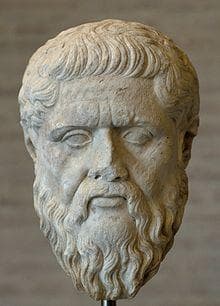
Socrates argues that rhetoric, when practiced for persuasion without knowledge, is a mere knack akin to cookery, appealing to base desires rather than seeking truth.
Quote
Rhetoric, then, as would appear, is the artificer of a persuasion which creates belief about the just and unjust, but gives no instruction about them.
This is the book's main idea, establishing the moral difference between true arts and mere flattery. Socrates compares rhetoric to cooking, which aims to please taste buds regardless of health, unlike medicine, which aims for the body's true good. Similarly, rhetoric, without justice and knowledge, tries to please and persuade uninformed people rather than enlighten them or improve them morally. This argument directly challenges Gorgias's claim that rhetoric is a powerful, neutral tool. Instead, Socrates argues that its usual use in A...
Supporting evidence
Socrates's analogy of rhetoric to cookery/cosmetics and medicine/gymnastics (Gorgias 462b-465d).
Apply this
When evaluating political discourse or media, discern whether the speaker aims to genuinely inform and uplift, or merely to persuade through emotional appeal and superficial arguments.