“Who, if I cried out, would hear me among the hierarchies of angels?”
— The opening line of the First Elegy, setting a tone of existential longing and isolation.

Rainer Maria Rilke (2001)
Genre
Spirituality / Philosophy
Reading Time
180 min (for initial reading and some reflection)
Key Themes
See below
Sign in to track this book
Rilke's elegies explore the beauty and burden of human life, caught between the earthly and the divine, under the silent gaze of angels.
“Who, if I cried out, would hear me among the hierarchies of angels?”
— The opening line of the First Elegy, setting a tone of existential longing and isolation.
“For beauty is nothing but the beginning of terror we are still just able to endure, and we admire it so much because it serenely disdains to destroy us.”
— From the First Elegy, a profound reflection on the nature of beauty and its inherent danger.
“Every angel is terrifying.”
— Also from the First Elegy, emphasizing the overwhelming and awe-inspiring nature of the divine.
“We are not allowed to stay. We are moving always into the future.”
— From the Second Elegy, contemplating the fleeting nature of human existence and the constant march of time.
“For here there is no place that does not see you. You must change your life.”
— The concluding lines of 'Archaic Torso of Apollo,' a poem often associated with the Elegies, though not strictly part of them, but embodying a similar theme of transformative encounter with art.
“That is what the world wants: to be changed in invisible hands to the invisible in us.”
— From the Fourth Elegy, suggesting the world's desire for inner transformation and spiritual depth.
“Oh, but to be dead and to know that the dead have no need of us, that they have no need of our pain, no need of our joy. Not even the living.”
— From the Fourth Elegy, a poignant reflection on death and the separation between the living and the dead.
“Never, not for a single day, can we accept the space that stretches endlessly through which a flower's unfolding passes back into itself.”
— From the Fifth Elegy, marveling at the cyclical nature of existence and the inability of humans to fully grasp it.
“Once, I thought I could understand a little about love, but it was too difficult.”
— From the Sixth Elegy, a candid admission of the complexity and difficulty of understanding love.
“Perhaps we are here only to say: house, bridge, well, gate, jug, fruit tree, window—at most: column, tower… but to say them, understand, oh, to say them more intensely than the things themselves ever dreamed of existing.”
— From the Ninth Elegy, emphasizing the human role in naming and giving deeper meaning to the world.
“Sing the praise to the world to the Angel, not the unsayable one, you can't impress him with glorious feeling; you must praise to him the things that are here, the sayable things.”
— From the Ninth Elegy, urging a celebration of the tangible world rather than abstract spiritual concepts.
“And we, who always think of happiness as rising, would feel the emotion that almost overwhelms us whenever a happy thing falls.”
— From the Tenth Elegy, challenging conventional notions of happiness and suggesting a deeper understanding of joy in decline.
“Look, I am living. On what? Neither childhood nor future are growing smaller… Supernumerous existence wells up in my heart.”
— The concluding lines of the Tenth Elegy, a powerful affirmation of life despite its complexities and mysteries.
Ready to see how well you understood this book? Take our interactive quiz with 10 questions.
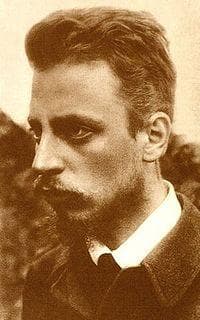
René Karl Wilhelm Johann Josef Maria Rilke, shortened to Rainer Maria Rilke, was an Austrian poet and novelist. Acclaimed as an idiosyncratic and expressive poet, he is widely recognized as a significant writer in the German language. His work is viewed by critics and scholars as possessing undertones of mysticism, exploring themes of subjective experience and disbelief. His writings include one novel, several collections of poetry and several volumes of correspondence.
Thomas Sowell
4.4
Stormie Omartian
4.3
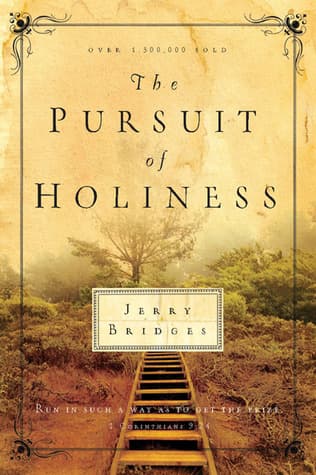
Jerry Bridges
4.3
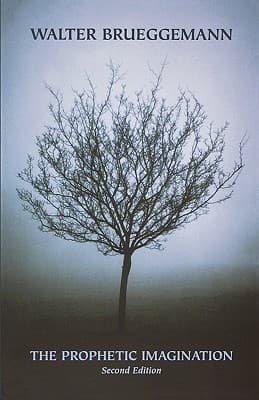
Walter Brueggemann
4.3
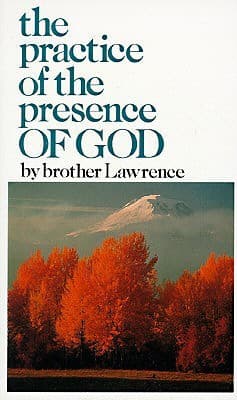
Brother Lawrence
4.3
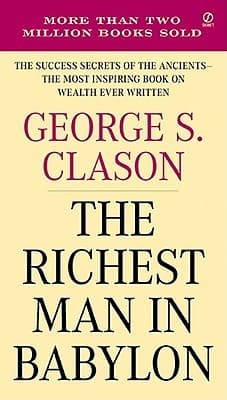
George S. Clason
4.3

Joseph Campbell
4.3
Unknown
4.3