BookBrief
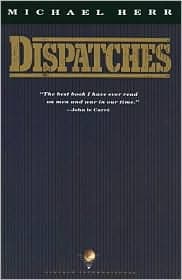
Dispatches cover
Archivist's Choice

Dispatches

Michael Herr (1977)

Genre

Biography / Memoir / History

Reading Time

360 min

Key Themes

See below

Track Your Reading

Sign in to track this book

Michael Herr's "Dispatches" pulls readers into the disorienting world of the Vietnam War, creating a raw, poetic story from the broken pieces of frontline experience.

Core Idea

Michael Herr's "Dispatches" is not a traditional history of the Vietnam War, but a direct, disorienting dive into its psychological and moral landscape. It argues that the war was less about strategy and more about a collective fall into a chaotic, drug-fueled, rock-and-roll-infused madness. In this madness, the lines between observer and participant, sanity and insanity, life and death, blurred. The book suggests the real horror of Vietnam lay in how impossible it was to explain, and how it twisted reality for those who lived through it. This left a lasting mark of trauma and disappointment that defied normal storytelling.
Reading time
360 min
Difficulty
Hard
✓ Read this if...
You want to understand the psychological impact and sensory overload of the Vietnam War through a highly personal, impressionistic, and literary lens, focusing on the lived experience rather than strategic analysis. You appreciate prose that is raw, poetic, and experimental.
✗ Skip this if...
You are looking for a chronological, fact-heavy historical account of the Vietnam War, or prefer a detached, objective journalistic style. You might find the fragmented narrative and intense, often disturbing imagery overwhelming.

Core idea

The central argument and framework that powers the entire book.

Michael Herr's "Dispatches" is not a traditional history of the Vietnam War, but a direct, disorienting dive into its psychological and moral landscape. It argues that the war was less about strategy and more about a collective fall into a chaotic, drug-fueled, rock-and-roll-infused madness. In this madness, the lines between observer and participant, sanity and insanity, life and death, blurred. The book suggests the real horror of Vietnam lay in how impossible it was to explain, and how it twisted reality for those who lived through it. This left a lasting mark of trauma and disappointment that defied normal storytelling.

At a glance

Reading time

360 min

Difficulty

Hard

Read this if...

You want to understand the psychological impact and sensory overload of the Vietnam War through a highly personal, impressionistic, and literary lens, focusing on the lived experience rather than strategic analysis. You appreciate prose that is raw, poetic, and experimental.

Skip this if...

You are looking for a chronological, fact-heavy historical account of the Vietnam War, or prefer a detached, objective journalistic style. You might find the fragmented narrative and intense, often disturbing imagery overwhelming.

Key Takeaways

1

The War as Hallucination

Vietnam was less a conventional conflict and more a collective, drug-fueled hallucination.

Quote

Coming to Vietnam, you'd hear guys say, 'I've been in the bush for five months, and I've seen some things.' What they'd seen was mostly themselves, and the fear in their own eyes. It was a projection, a bad trip.

Herr shows the Vietnam War as more than a physical battle; it was a deep psychological and sensory attack. The constant danger, the strange landscapes, soldiers' drug use, and the war's sheer confusion all led to an altered state of mind. This was not just a metaphor. Herr suggests that Vietnam's reality was so extreme, so unlike normal human life, that it caused a kind of mass mental breakdown. Soldiers were not just fighting; they were living a nightmare where reality and delusion blurred, and the only constant was a strong feeling ...

Supporting evidence

Herr's descriptions of soldiers' drug use (marijuana, heroin, LSD) as a coping mechanism, combined with the often-nonsensical and contradictory orders they received, and the disorienting sensory overload of combat (noise, heat, smells, violence).

Apply this

When trying to understand complex, traumatic events, recognize the psychological and sensory dimensions that can distort perception and create a shared, altered reality for those experiencing it. Look beyond mere facts to the emotional and experiential truth.


psychological-warfaretrauma-responsesensory-overload
2

The Language of Chaos

Conventional narrative structures fail to capture the fragmented, visceral truth of war.

Quote

The problem was that you couldn't make a story out of it, not a whole one. It was all pieces, fragments, like shrapnel flying past your head. You just tried to catch what you could.

Herr's writing is not just reporting; it is an experience of war's linguistic chaos. He gives up traditional journalistic objectivity and linear storytelling. Instead, he uses a fragmented, stream-of-consciousness style that mirrors the confusing reality he saw. His sentences are often long, winding, and full of slang, vivid images, and sudden shifts in viewpoint. This style choice is not just for looks; it is a clear attempt to show the direct, non-linear, and often confusing nature of combat. By not imposing a neat story arc, Herr f...

Supporting evidence

The rapid-fire shifts between scenes, the use of soldiers' jargon and profanity, the fragmented anecdotes that often lack clear beginnings or endings, and the poetic, almost stream-of-consciousness descriptions of battles and downtime.

Apply this

When communicating highly complex or traumatic experiences, consider whether traditional narrative structures truly serve the message. Sometimes, a more fragmented, experiential, or unconventional approach can convey a deeper, more authentic truth.

postmodernismwar-literaturenarrative-theory
3

The Dark Glamour of Death

War, despite its horrors, held a perverse, irresistible allure for some, especially the young.

Quote

It was what they came for, after all. The rush, the ultimate trip, the chance to be completely alive, even if it meant being completely dead.

One of Herr's most disturbing observations is the strange pull that violence and danger had for many soldiers. He shows the terror and brutality, but also a darker, more complex truth: for some, the war offered an intense, unmatched experience of life and death. It gave a sense of purpose or extreme feeling missing from their civilian lives. This 'dark glamour' was not about patriotism or ideas, but about the raw, existential thrill of pushing limits, of seeing and taking part in the ultimate human drama. It is a challenging idea that...

Supporting evidence

Herr's accounts of soldiers who seemed to thrive on combat, who actively sought out dangerous assignments, and who expressed a strange exhilaration even amidst the carnage. He describes their 'highs' and the difficulty they faced returning to ordinary life.

Apply this

Understand that human motivation is rarely simplistic. Even in horrific circumstances, individuals can find perverse forms of meaning, excitement, or belonging. Acknowledge this complexity to avoid simplistic judgments.

existentialismhuman-motivationdanger-seeking
4

The Reporter as Participant

True war reporting demands immersion, blurring the lines between observer and observed.

Quote

You went out and you watched, and then you wrote it down. But after a while, you weren't just watching anymore. You were in it. You were part of the story, whether you liked it or not.

Herr's work challenges the idea of objective journalism, especially in war zones. He does not just report from a safe distance; he deeply embeds himself, sharing soldiers' fear, boredom, humor, and trauma. This immersion gives Dispatches its raw power and realness. By becoming a participant, Herr gains an intimate understanding that purely objective reporting could never achieve. He shows that in extreme places like war, observing changes the observer, making them a part of the story. This approach, though debated for its subjectivi...

Supporting evidence

Herr's personal anecdotes of narrowly escaping death, his detailed descriptions of sharing meals and conversations with soldiers, and his explicit reflections on his own fear and psychological state throughout the book.

Apply this

When seeking to understand a deeply complex or emotionally charged situation, prioritize immersion and direct experience over detached observation. Acknowledge and integrate your own perspective and biases, as they are part of the truth.

gonzo-journalismsubjectivityethical-reporting
5

The Absurdity of Command

The disconnect between the top and the ground fostered profound cynicism and fatalism.

Quote

The brass would say one thing, the grunts would hear another, and the reality in the field was something else entirely. It was a joke, a sick one, but no one was laughing.

Herr vividly shows the huge gap between military command's strategic statements and the brutal, often illogical realities soldiers faced on the ground. This disconnect was more than a communication problem; it was a basic clash of views that created deep cynicism and a feeling of powerlessness among the troops. Orders often seemed random, tactics ineffective, and the overall reason for their suffering unclear. This absurdity added much to the war's psychological cost, as soldiers felt their lives were being risked by distant, uncaring...

Supporting evidence

Numerous anecdotes detailing contradictory orders, pointless missions, the constant rotation of command, and the soldiers' sarcastic or bitter comments about 'the lifers' and 'the rear echelon motherfuckers.'

Apply this

In any hierarchical organization, actively bridge the gap between leadership and frontline experience. Leaders must seek genuine understanding of ground-level realities to make effective decisions and maintain trust and morale.

military-leadershiporganizational-dysfunctioncynicism
6

The Soundtrack of Survival

Popular music served as both an escape and a stark, ironic counterpoint to the war's horrors.

Quote

The music was everywhere, blasting out of choppers, from radios in bunkers. Sometimes it was the only thing that made any sense, or the only thing that made no sense at all, which was even better.

Herr skillfully weaves references to contemporary rock and roll throughout Dispatches, creating a powerful and often ironic soundtrack to the war. Songs by Jimi Hendrix, The Rolling Stones, The Doors, and others were not just background noise; they were a part of soldiers' experience. The music offered a temporary escape, a link to home, and a way to deal with the confusing situation. Yet, the lyrics and tunes of peace-era songs often stood in sharp, unsettling contrast to the violence and despair around them. This pairing highlight...

Supporting evidence

Herr frequently quotes song lyrics or describes specific songs playing during combat, on choppers, or in downtime, highlighting their emotional impact and their ironic resonance with the war's events.

Apply this

Recognize the powerful role of culture, particularly music, in shaping and reflecting human experience, especially during times of crisis. Consider how shared cultural touchstones can provide both solace and critical commentary.

cultural-impactpsychological-copingirony
7

The Burden of Witness

Bearing witness to atrocity is a profound, life-altering experience that leaves indelible marks.

Quote

You watched it, you lived it, and then you carried it with you. There was no leaving it behind. It was part of you now, a new organ, maybe, made of memory and dread.

Herr's story is not just about what he saw in Vietnam, but about the deep, lasting effect of seeing it. He grapples with the ethical and psychological burden of witnessing unspeakable horrors, and how that experience permanently changes one's view of the world. He makes it clear that observing is not a neutral act; it leaves a mark on the observer, creating a kind of secondary trauma. This point stresses the great responsibility of those who report from conflict zones and the long-term psychological effects they face, highlighting tha...

Supporting evidence

Herr's reflections on his own nightmares, his difficulty adjusting to life after Vietnam, and his recurring thematic return to the impossibility of truly escaping the memories and images he collected.

Apply this

When engaging with difficult or traumatic information, understand that the act of witnessing carries its own weight. Practice self-care and acknowledge the potential for vicarious trauma, especially in professions that involve exposure to human suffering.

vicarious-traumamoral-injuryjournalistic-ethics
8

The Invisible Wounds

The psychological damage of war often far outweighs the physical, and is less understood.

Quote

The wounds you could see were bad enough, but the ones you couldn't, the ones inside, those were the real killers. They just kept bleeding, long after the war was over.

Beyond the immediate destruction, Herr powerfully conveys the hidden and lasting psychological cost of the Vietnam War. He shows how constant fear, moral compromises, witnessing atrocities, and a pervasive sense of unreality wore down soldiers' mental and emotional well-being. This 'invisible wound' of trauma and moral injury often appeared in unexpected ways, long after they left the battlefield. Dispatches came before much of the formal understanding of PTSD, yet Herr explains its core with chilling accuracy. He shows that the bat...

Supporting evidence

Herr's descriptions of soldiers' erratic behavior, their difficulty sleeping, their intense paranoia, and their general detachment, both in Vietnam and in his brief allusions to their post-war struggles.

Apply this

Prioritize mental and emotional well-being as equally important as physical health, especially for those exposed to trauma. Advocate for and provide comprehensive psychological support, understanding that some wounds are not visible.

ptsdmoral-injurymental-health-awareness
9

The Enduring Legacy of Lies

Propaganda and deception were as destructive to the war effort as any enemy bullet.

Quote

They told us we were winning, they told us we were fighting for freedom, they told us a lot of things. And then you'd look around, and you'd see the lies everywhere, like a bad smell you couldn't get rid of.

Herr subtly but effectively critiques the widespread culture of deceit and propaganda surrounding the Vietnam War. From exaggerated body counts to misleading reports from command, truth was constantly lost. This breakdown of trust, both from military leadership to soldiers and from the government to the public, was deeply damaging. Soldiers on the ground saw the difference between official stories and their lived reality, leading to deep cynicism and a feeling of betrayal. This legacy of lies not only hurt the war effort but also had ...

Supporting evidence

Herr's frequent sarcastic remarks about official briefings, the 'body count' metric, and the general disbelief among soldiers regarding pronouncements from higher command or the media back home.

Apply this

Always question official narratives and seek out diverse perspectives, especially during times of conflict or crisis. Recognize that systemic deception can have profound and lasting societal consequences beyond the immediate event.

propagandadisinformationmedia-literacy
10

The Incommunicability of Experience

Some experiences are so extreme they defy full articulation to those who weren't there.

Quote

You tried to tell them, back home, what it was like. But there were no words. You just looked into their eyes, and you knew they didn't know. They couldn't know.

Ultimately, Dispatches shows the limits of language when facing the truly unexplainable. Herr, despite his great skill with words, admits that the full horror, absurdity, and psychological impact of Vietnam can never be fully told to someone who did not experience it directly. There is a basic gap in understanding that no words, no matter how vivid, can completely bridge. This idea speaks to the isolation of trauma survivors and the challenge of empathy across vast differences in experience. It suggests that while we can try to unde...

Supporting evidence

Herr's recurring theme of the 'thousand-yard stare' and the difficulty veterans faced in reintegrating into civilian life, coupled with his own frustration in trying to explain the war to those back home.

Apply this

When listening to someone recount a deeply traumatic or unique experience, practice radical empathy and acknowledge the limits of your own understanding. Focus on validating their experience rather than trying to fully 'grasp' it, which may be impossible.

empathy-gaptrauma-communicationexistential-isolation

Critical analysis

Notable Quotes

We were in the most beautiful place in the world, and we were killing it.

Reflecting on the natural beauty of Vietnam juxtaposed with the war's destruction.

Vietnam was what we had instead of happy childhoods.

A cynical observation about the formative and traumatic experience of the war for the young soldiers.

I’d heard it said that you could become addicted to drugs in Vietnam in a day, and I believed it. You could become addicted to a lot of things in a day there.

Commenting on the intense and rapid psychological and physical changes brought on by the war environment.

It was being there, and for me it was being there with a camera, a notebook, and a tape recorder, because that was my way of being there.

Herr describing his role as a war correspondent and his method of processing the experience.

There was a lot of talk about the war being a rock and roll war, and it was, but the rock and roll was in your head.

Explaining the internal, psychological chaos and intensity of the war.

Maybe it was the best story, but it was also the worst.

Reflecting on the compelling yet horrific nature of the Vietnam War as a narrative.

You couldn't look at it too closely or for too long, because it would just burn a hole through you.

Describing the overwhelming and damaging nature of witnessing the war's atrocities.

The problem was that no one was ever really sure who the enemy was.

Highlighting the confusion and moral ambiguity inherent in the guerrilla warfare of Vietnam.

It was the only war we had, and we didn't even know what it was for.

A poignant remark on the lack of clear purpose or understanding among those fighting in Vietnam.

There was no way to get it right, but there was also no way to get it wrong.

Grappling with the impossibility of accurately capturing the chaotic and subjective reality of war.

The thing was, they were all so young, and they were all so brave, and they were all so dead.

A somber reflection on the youth and sacrifice of the soldiers.

Going into the jungle was like going into the past, into the place where the nightmares came from.

Describing the primal fear and psychological impact of the jungle environment.

We were all going to come home, but we were never going to be the same.

A universal sentiment among soldiers, recognizing the irreversible change wrought by war.

The war was just a bad trip, and it kept getting worse.

Using drug culture vernacular to describe the escalating horror and surreal nature of the conflict.

Quiz

Test Your Knowledge

Ready to see how well you understood this book? Take our interactive quiz with 10 questions.

10
Questions
~5
Minutes
?
Best Score

Key Questions (FAQ)

'Dispatches' is a non-fiction book by Michael Herr, published in 1977, offering an immediate and visceral account of the Vietnam War from the perspective of a war correspondent. It delves into the chaos, fervor, and surreal insanity of life in the combat zone, capturing the day-to-day events with an unsparing and unorthodox style.

About the author