BookBrief
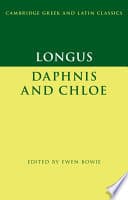
Daphnis and Chloe cover
Archivist's Choice

Daphnis and Chloe

Longus (2002)

Genre

History / Romance

Reading Time

120 min

Key Themes

See below

Track Your Reading

Sign in to track this book

Two shepherd-raised foundlings find first love in an ancient world, overcoming pirates, rivals, and social divides to claim their happiness.

Synopsis

Daphnis and Chloe are found and raised by shepherd families on the island of Lesbos. As they grow, they fall in love. An old herdsman, Philetas, explains love, and Lycaenion teaches Daphnis about physical desire. Pirates and abductors threaten their peace. A harsh winter separates them, but spring brings them back together. A wolf and a serpent also cause danger. Dionysophanes, Daphnis's true father, arrives, and tokens reveal Daphnis's noble birth. Chloe's identity is also revealed, confirming her noble parents and removing social barriers. The story ends with a happy marriage.
Reading time
120 min
Difficulty
Easy
Pacing
Slow
Mood
Idyllic, Romantic, Innocent, Pastoral, Lyrical
✓ Read this if...
You enjoy classical pastoral romances, tales of innocent love, and stories with a 'foundlings to nobility' trope.
✗ Skip this if...
You prefer modern, fast-paced plots, complex character psychology, or realistic narratives without divine intervention.

Plot Summary

The Discovery of Daphnis and Chloe

On Lesbos, the shepherd Lamon finds a baby boy, Daphnis, being nursed by a goat. The infant wears a purple cloak and a gold dagger. Two years later, his neighbor Dryas finds a baby girl, Chloe, nursed by a ewe, with a gilded headband and golden sandals. Both children are raised believing they are the biological children of their adoptive parents, living simple lives tending flocks in the Mytilenean countryside.

Awakening of Love and First Kisses

When Daphnis is fifteen and Chloe thirteen, they tend their flocks together. They spend their days in nature, playing games and sharing simple pleasures. Daphnis, seeing a pigeon kiss its mate, kisses Chloe, who returns the kiss without understanding its meaning. These innocent kisses, their shared experiences, and their developing bodies begin to awaken feelings of love within them, though they struggle to understand these new emotions and sensations.

The First Trials: Philetas's Counsel and Lycaenion's Lesson

The old cowherd Philetas sees Daphnis's lovesickness and explains love to him, comparing it to a stinging bee that gives both pain and pleasure. He advises Daphnis to kiss and embrace Chloe. Later, a city woman named Lycaenion, wanting Daphnis, seduces him and tries to teach him about physical love. Daphnis, confused and a bit scared, learns that love can be more complex and painful than he thought, making him hesitant to apply this new knowledge to Chloe.

Chloe's Abduction by Methymnaean Pirates

While Daphnis and Chloe tend their flocks, Methymnaean pirates attack the coast. They capture Chloe and many animals, sailing away. Daphnis is distraught, lamenting Chloe's loss. He prays to Pan, the god of shepherds, to punish the pirates. Pan answers: a herd of panthers, driven mad, attacks the pirate ship, causing chaos and forcing the pirates to return to shore, where Chloe is rescued.

Daphnis's Abduction by Bryaxis

After Chloe's rescue, Bryaxis, a wealthy young man from Methymna, falls in love with Chloe and tries to abduct her. The Nymphs stop his plan, causing his ship to run aground and his crew to go mad. Bryaxis, seeing this as divine anger, leaves. Soon after, another group of pirates abducts Daphnis. Chloe, now feeling the pain of separation, grieves. Daphnis is rescued through fortunate events, often involving divine help, and the lovers are reunited.

The Winter of Separation and Longing

As winter comes to Lesbos, the harsh weather forces Daphnis and Chloe to return to their separate homes. This separation deepens their love and longing for each other. They spend their days missing each other, remembering their time together, and imagining their reunion. The winter symbolizes the trials that test their love, ultimately strengthening their bond and making their reunion more cherished.

The Coming of Spring and Renewed Joys

With spring's return, Daphnis and Chloe can leave their homes and go back to their flocks. Their reunion is full of joy and renewed affection. They spend their days in the meadows, sharing food, playing games, and exchanging kisses and embraces. Their love grows again in the revitalized landscape. This period shows the power of nature and the simplicity of their love, free from the outside world's complexities for a time.

The Threat of the Wolf and the Serpent

While tending their sheep, Daphnis and Chloe face threats from wild animals. A wolf attacks their flock, and Daphnis bravely defends the sheep, showing his courage and protective instincts toward Chloe. Later, Chloe is almost bitten by a serpent, and Daphnis again acts quickly to save her. These incidents, though dangerous, show Daphnis's growing maturity and his dedication to Chloe's safety, and the challenges of their pastoral life.

The Arrival of Dionysophanes and the Discovery of the Tokens

Wealthy Mytilenean citizens, Dionysophanes and his wife, arrive in the countryside, having lost a son years ago. Lamon, Daphnis's adoptive father, shows the tokens he found with the infant Daphnis: the purple cloak and gold dagger. Dionysophanes recognizes these items as belonging to his lost child. Overjoyed, he realizes that Daphnis is his son and the heir to his fortune. This discovery changes Daphnis from a simple shepherd to a man of noble birth.

Chloe's True Identity Revealed

After Daphnis's discovery, Dryas, Chloe's adoptive father, shows the tokens he found with her: the gilded headband and golden sandals. A wealthy Mytilenean, Megacles, recognizes these items. He and his wife, Cleariste, had abandoned a child years earlier due to an oracle's prophecy. They are overjoyed to find Chloe is their daughter, confirming her noble birth and matching her social status with Daphnis's, removing the last barrier to their union. The prophecy, it turns out, was misunderstood.

The Marriage Feast and Happily Ever After

With both Daphnis and Chloe's noble parents revealed, their families gather for a grand marriage feast. The celebration is joyous, marking the union of the two lovers who have overcome many obstacles. They marry with their families' blessing, now able to openly express their love and live as husband and wife. They choose to stay in the countryside, keeping their connection to the pastoral life they value, while also embracing their new social standing, living a life of happiness.

Principal Figures

Daphnis

The Protagonist

Daphnis transforms from an innocent, naive boy into a mature young man who understands the depths of love and desire, ultimately embracing his noble lineage while cherishing his pastoral roots.

Chloe

The Protagonist

Chloe evolves from a simple, innocent girl into a woman who deeply understands the power of love and loyalty, finding her true identity and a lasting union with Daphnis.

Lamon

The Supporting

Remains consistently a loving and honest father figure, ultimately facilitating Daphnis's reunion with his biological family.

Dryas

The Supporting

Maintains his role as a loving and protective father figure, ultimately ensuring Chloe's recognition and happiness.

Philetas

The Supporting

Serves as a static, wise elder whose advice helps the protagonists navigate their burgeoning emotions.

Lycaenion

The Supporting

Acts as a catalyst for Daphnis's sexual awakening, without herself undergoing significant development.

Dionysophanes

The Supporting

Undergoes a change from a man who abandoned his child due to superstition to one who embraces his lost son.

Megacles

The Supporting

Changes from a father who abandoned his child to one who lovingly reclaims her.

Themes & Insights

The Purity and Power of First Love

The novel explores the development of innocent love between Daphnis and Chloe. Their love grows naturally in the idyllic pastoral setting, initially free from societal norms or physical desires. Despite many external threats, separations, and seduction attempts, their bond remains strong. Their love is a powerful force that overcomes all obstacles, from abductions to social differences, leading to their destined union. The story emphasizes the beauty and resilience of this early, untainted affection.

They were both beautiful, and both innocent, and in the flower of their youth; and their souls were as pure and simple as their lives.

Narrator

Nature vs. Civilization

The story compares the natural life of the countryside with the artificiality of city civilization. Daphnis and Chloe grow up in harmony with nature, their innocence reflecting their surroundings. Threats often come from city dwellers or those outside their pastoral world—pirates, wealthy suitors, and women like Lycaenion. While their resolution involves embracing their noble, city-dwelling parents, they choose to keep their connection to the countryside, suggesting that true happiness is a balance, with nature providing a moral and emotional foundation. The pastoral setting is important to their development.

For what the city teaches are cares and pains, but the fields, pleasure and delight.

Narrator

Divine Intervention and Fate

Throughout the story, the gods, especially Pan, the Nymphs, and Eros (Love), guide and protect Daphnis and Chloe. Their interventions, often in response to prayers or divine will, save the lovers from dangers. This highlights fate and destiny, suggesting that the lovers' union is preordained and divinely approved. The gods act as benevolent forces ensuring the triumph of true love, reinforcing the idea that some bonds are meant to be, despite mortal trials.

It was not by chance, but by the will of the gods, that these two were born and found and brought up together.

Narrator

The Journey from Innocence to Experience

A main theme is the characters' journey from childhood innocence to an adult understanding of love and desire. At first, Daphnis and Chloe do not know what 'love' truly means, experiencing it as confusing physical sensations and emotional longing. Through encounters with Philetas, Lycaenion, and various threats, they learn about love's complexities, including its physical aspects, its capacity for pain, and its lasting strength. This journey ends in their marriage, symbolizing their full entry into adulthood and their complete understanding of their bond.

They knew not what they desired, but they knew that they desired something.

Narrator

Plot Devices & Literary Techniques

Foundlings and Recognition Tokens

Infants abandoned with objects that later reveal their true identities.

Both Daphnis and Chloe are found as infants, each with specific, valuable objects (a purple cloak and gold dagger for Daphnis; a gilded headband and golden sandals for Chloe). These 'recognition tokens' are crucial plot devices. They serve to establish the protagonists' noble birth, creating a social obstacle to their union initially (as they believe they are mere shepherds) and then resolving it by proving their equal, high status. The tokens are carefully preserved by their adoptive parents, acting as a dramatic reveal that propels the story towards its happy conclusion, fulfilling the 'anagnorisis' (recognition) element common in ancient Greek romance.

Divine Intervention

Gods and nymphs directly intervene to help or hinder characters.

Divine intervention is a frequent and significant plot device. Gods like Pan, Eros, and the Nymphs directly influence events, often saving Daphnis and Chloe from peril (e.g., Pan's wrath against the pirates, the Nymphs preventing Chloe's abduction). This device provides convenient solutions to seemingly insurmountable problems, reinforcing the idea that the lovers' destiny is divinely ordained. It also adds an element of the fantastical and miraculous to the narrative, distinguishing it from purely realistic fiction and connecting it to classical mythological traditions.

Pastoral Setting

An idealized rural environment that fosters innocence and love.

The idealized pastoral setting of Lesbos is more than just a backdrop; it is a crucial plot device that shapes the characters and their experiences. The natural environment allows Daphnis and Chloe to grow up in innocence, free from the corruptions of city life, fostering their pure and unadulterated love. The changing seasons parallel their emotional development, and the dangers of the wild (wolves, pirates) serve as external conflicts that test their bond. The pastoral setting emphasizes simplicity, harmony with nature, and the beauty of unspoiled love, acting as a sanctuary for their burgeoning romance.

Misunderstandings and Naiveté

The characters' lack of worldly knowledge drives much of the early plot.

The initial misunderstandings and naiveté of Daphnis and Chloe regarding love and sexuality are key plot devices. Their innocent confusion about their feelings and physical urges creates humor and pathos, and allows for the 'lessons' they receive from Philetas and Lycaenion. This device highlights their journey from childhood to adulthood and the gradual awakening of their desires. It also serves to prolong the romantic tension, as they must learn to interpret and act upon their feelings before they can fully consummate their love, emphasizing the purity of their bond before physical intimacy.

Critical analysis

Notable Quotes

They were both beautiful; he had the beauty of a boy, she the beauty of a girl. His hair was yellow, hers golden; his eyes bright, hers sparkling. His nose was straight, hers slightly aquiline; his mouth small, hers like a rosebud. They were, in short, a perfect match.

Description of Daphnis and Chloe's physical appearance and their immediate connection.

The greatest wealth in the world is not silver or gold, but a good wife.

Lamon, Daphnis's adoptive father, reflecting on his good fortune.

Love is a dangerous thing, a sweet poison.

Chloe's initial, innocent understanding of love after experiencing new feelings for Daphnis.

It is better to be loved than to be feared.

Daphnis's reflection on the nature of power and affection.

Nature teaches us everything.

The narrator's observation about the natural instincts and learning of the young lovers.

The kisses of lovers are not like the pecks of birds, but a deep penetration of the soul.

Description of the deepening intimacy between Daphnis and Chloe.

For what is love but a desire for beauty, and what is beauty but the visible form of the good?

A philosophical musing on the nature of love and beauty.

The gods themselves are not exempt from the laws of love.

The narrator's comment on the universal power of love, even over deities.

Youth is like a flower, beautiful but fleeting.

Daphnis's adoptive mother, Myrtale, reflecting on the transient nature of youth.

They were as innocent as the animals they tended, and as ignorant of evil.

Description of Daphnis and Chloe's pure and uncorrupted state in their pastoral life.

True love is not found in cities, but in the quiet simplicity of the countryside.

A thematic statement contrasting urban sophistication with rural authenticity.

There is no greater joy than to see one's children happy.

Dionysophanes, Daphnis's biological father, expressing his contentment.

Their love was like a vine, growing stronger with each passing day, intertwining their lives irrevocably.

A metaphor describing the development and strength of Daphnis and Chloe's relationship.

Even the roughest shepherd has a heart capable of tenderness.

An observation about the inherent capacity for love and kindness in all people.

Quiz

Test Your Knowledge

Ready to see how well you understood this book? Take our interactive quiz with 10 questions.

10
Questions
~5
Minutes
?
Best Score

Key Questions (FAQ)

The story follows Daphnis and Chloe, two foundlings discovered and raised by separate shepherd families on the island of Lesbos. They grow up together, fall deeply in love, and navigate the journey from innocent childhood affection to mature romantic love, facing numerous external threats and internal struggles before their true identities are revealed and they can marry.

About the author

Longus

Longus, sometimes Longos, was the author of an ancient Greek novel or romance, Daphnis and Chloe. Nothing is known of his life; it is assumed that he lived on the isle of Lesbos during the 2nd century AD.