BookBrief
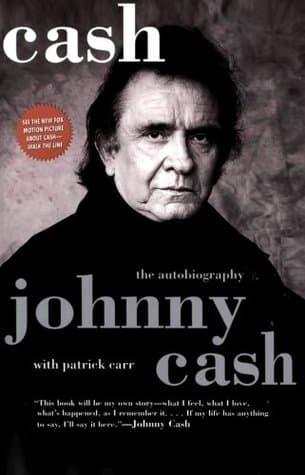
Cash cover
Archivist's Choice

Cash

Johnny Cash (1997)

Genre

Biography / Memoir / History

Reading Time

10-12 hours

Key Themes

See below

Track Your Reading

Sign in to track this book

From the cotton fields of Arkansas to the Grand Ole Opry, Johnny Cash's autobiography is a raw, unflinching journey through the heart of American music, marked by addiction, redemption, and the unwavering love of June Carter.

Core Idea

Johnny Cash's autobiography, 'Cash,' offers an unflinching self-portrait of a man always wrestling with his inner demons, the demands of fame, and his deep faith. It chronicles his journey from humble beginnings to iconic status, revealing how his artistic integrity, rooted in authenticity and storytelling, allowed him to move past personal struggles with addiction and self-doubt. The book shows the redemptive power of love and belief, presenting Cash not just as a musical legend, but as a complex individual who found solace and purpose in his faith and family amidst his turbulent career.
Reading time
10-12 hours
Difficulty
Medium
✓ Read this if...
You are a fan of Johnny Cash, interested in the raw, unvarnished truth behind a musical icon, or curious about the intersection of faith, fame, and personal struggle in a memoir.
✗ Skip this if...
You are looking for a purely objective historical account without personal introspection, or prefer books that avoid detailed discussions of addiction and redemption.

Core idea

The central argument and framework that powers the entire book.

Johnny Cash's autobiography, 'Cash,' offers an unflinching self-portrait of a man always wrestling with his inner demons, the demands of fame, and his deep faith. It chronicles his journey from humble beginnings to iconic status, revealing how his artistic integrity, rooted in authenticity and storytelling, allowed him to move past personal struggles with addiction and self-doubt. The book shows the redemptive power of love and belief, presenting Cash not just as a musical legend, but as a complex individual who found solace and purpose in his faith and family amidst his turbulent career.

At a glance

Reading time

10-12 hours

Difficulty

Medium

Read this if...

You are a fan of Johnny Cash, interested in the raw, unvarnished truth behind a musical icon, or curious about the intersection of faith, fame, and personal struggle in a memoir.

Skip this if...

You are looking for a purely objective historical account without personal introspection, or prefer books that avoid detailed discussions of addiction and redemption.

Key Takeaways

1

The Weight of the Man in Black

More than a fashion statement, the black attire was a conscious symbol of solidarity with the downtrodden.

Quote

I wear the black for the poor and the beaten down, living in the hopeless, hungry side of town, I wear it for the prisoner who has long paid his debt, but is in for a life of regret.

Johnny Cash's 'Man in Black' persona was more than a style choice; it was a deeply held belief. He wore black as a protest against social injustices, a visible sign of his empathy for the marginalized, the incarcerated, the impoverished, and those struggling with addiction. This was about living a life that reflected his core values, using his platform to speak for the voiceless. His commitment to this symbol showed his belief that entertainers have a responsibility beyond performance, to use their influence for social good and to cha...

Supporting evidence

Cash frequently details his visits to prisons like Folsom and San Quentin, and his advocacy for prison reform, explaining that his black attire was a direct extension of his compassion for the inmates and others facing hardship.

Apply this

Reflect on your personal 'uniform' or public persona. Does it genuinely reflect your values and beliefs? Consider how you can use your platform, however small, to visibly support causes or people you believe in, rather than just passively observing.


social-justiceadvocacyauthenticityiconography
2

The Double-Edged Sword of Talent

Cash's extraordinary musical gift was often intertwined with his struggles, a source of both profound creation and intense personal turmoil.

Quote

My voice was a gift, but it was also a curse sometimes, leading me down paths I never intended to walk.

Johnny Cash's autobiography shows the complex relationship between his talent and his personal struggles. His raw, resonant voice and unique songwriting ability were a gift, driving him to superstardom. However, this same intensity and sensitivity that fueled his creativity also made him vulnerable to addiction and self-destructive behaviors. The pressures of fame, constant touring, and the emotional toll of his deeply felt songs often pushed him to the edge. This duality suggests that exceptional talent, while a blessing, can also be...

Supporting evidence

Cash recounts numerous instances of drug addiction (amphetamines, barbiturates), destructive behavior, and the toll it took on his marriages and career, often immediately following periods of intense creative output or touring success.

Apply this

Recognize that your greatest strengths might also be linked to your biggest challenges. Develop robust support systems and self-care practices to manage the pressures that come with pursuing your passions, preventing your gifts from becoming your undoing.

addictioncreativityfameself-destruction
3

Redemption Through Faith and Love

Despite profound struggles, Cash found his path to recovery and peace through a deep spiritual awakening and the unwavering love of June Carter.

Quote

I was lost, truly lost, until June's love and my rediscovered faith pulled me back from the brink.

The narrative of 'Cash' is a powerful example of redemption. Johnny Cash's journey included severe addiction and personal turmoil, yet he consistently found his way back. This was largely due to two forces: his deep Christian faith and the steady, unconditional love of June Carter. June's constant support, her prayers, and her refusal to give up on him provided a crucial anchor. At the same time, his reconnection with his spiritual roots offered him a framework for forgiveness, purpose, and sobriety. This highlights that even in the d...

Supporting evidence

Cash vividly describes June Carter's interventions, her literal pulling him out of ditches, and her unwavering presence. He also details his profound experiences with prayer, Bible study, and the influence of figures like Billy Graham in his life, leading to periods of sobriety and peace.

Apply this

Identify the foundational pillars of support in your own life – be it faith, family, friends, or a community. Nurture these relationships and spiritual practices, as they can be your most vital resources when facing personal crises and seeking transformation.

redemptionfaithmarriagesobrietyspiritual-awakening
4

The Power of Authenticity in Art

Cash's enduring appeal stemmed from his raw honesty, singing songs that reflected his own flawed humanity and the universal human condition.

Quote

I never tried to be anyone else. I just told my story, and people connected with it because it was real.

Johnny Cash's artistry was defined by its honesty. He was not afraid to sing about his struggles, his sins, his faith, or the hardships of everyday people. This radical honesty, often delivered with a gravelly baritone and simple musical arrangements, connected deeply with audiences from all walks of life. Unlike many polished performers, Cash embraced his flaws and vulnerabilities, making him relatable and trustworthy. His willingness to 'walk the line' between sinner and saint, between rebel and devout believer, allowed him to conne...

Supporting evidence

His iconic songs like 'Folsom Prison Blues,' 'Hurt,' and 'Man in Black' are direct reflections of his personal experiences, his empathy for the struggling, and his own battles. His willingness to record songs with darker themes, even later in his career, showcases this commitment to authenticity.

Apply this

In your own creative endeavors or personal communication, prioritize authenticity over perceived perfection. Share your true experiences and perspectives, as vulnerability often fosters deeper connection and resonance with others.

authenticityartistryvulnerabilitystorytelling
5

The Unseen Architects of Success

Behind every icon are crucial relationships that provide support, challenge, and shape their journey.

Quote

No man is an island, and I certainly wasn't. I had angels and devils, but mostly angels, guiding me and sometimes pulling me along.

Cash's autobiography shows the important role of relationships in shaping a person's life and career, even for someone as seemingly self-reliant as the 'Man in Black'. While his individualism was part of his appeal, his success and survival were linked to a network of people. His early relationship with Sam Phillips at Sun Records, his spiritual guidance from Billy Graham, the unwavering love and musical partnership with June Carter, and his friendships with fellow artists like Willie Nelson and Bob Dylan all played key roles. These r...

Supporting evidence

He dedicates significant portions of the book to detailing his interactions with these figures – from the early days with Elvis and Carl Perkins, to the profound influence of June, to his spiritual guidance from Billy Graham, and his collaborations with later artists. He often attributes his survival and resilience to them.

Apply this

Inventory the key relationships in your life – both personal and professional. Actively cultivate and appreciate those who challenge you, support you, and inspire you, recognizing their indispensable contribution to your own journey and growth.

mentorshipcollaborationrelationshipsinfluence
6

Navigating the Labyrinth of Fame

Stardom brings immense opportunities but also relentless pressures, temptations, and a profound sense of isolation.

Quote

Fame is a peculiar beast. It gives you everything you thought you wanted, and then it tries to take everything else.

Johnny Cash's journey through superstardom is a cautionary tale about the complexities of fame. While it brought him global recognition, wealth, and the ability to share his music, it also exposed him to constant scrutiny, overwhelming demands, and the temptations of drugs and alcohol. Constant touring, loss of privacy, and the struggle to maintain a normal family life all contributed to his personal crises. He describes how the 'road' became both his livelihood and his undoing, highlighting the paradox of celebrity: the very thing th...

Supporting evidence

Cash frequently details the endless touring schedules, the loneliness of hotel rooms, the easy access to drugs provided by hangers-on, and the strain these factors placed on his marriages and mental health throughout the peak of his career.

Apply this

If you aspire to a public-facing role or significant achievement, cultivate strong internal resilience and clear boundaries. Understand that external success doesn't equate to internal happiness, and proactively build strategies to protect your well-being from the inherent pressures.

famecelebrityisolationpressureaddiction
7

The Enduring Legacy of Storytelling

Cash understood the timeless human need for stories, using his music to chronicle lives, struggles, and hopes.

Quote

I was a storyteller first and foremost. That's what a song is, really, a story set to music.

At its core, Johnny Cash's career was a masterclass in storytelling. Through his own compositions or his interpretations of others' songs, he always prioritized narrative. He told the stories of the working class, the outlaws, the marginalized, and the redeemed, giving voice to experiences that resonated deeply with his audience. His ability to turn complex emotions and life events into concise, powerful lyrics shows the lasting power of narrative. He proved that a well-told story, especially one sung with conviction, can cross genres...

Supporting evidence

His vast catalog of songs, from 'A Boy Named Sue' to 'Ring of Fire' to 'The Ballad of Ira Hayes,' showcases a diverse range of narrative styles and subjects, all delivered with his distinctive storytelling voice.

Apply this

In your own communication, whether personal or professional, focus on crafting compelling narratives. Understand that people often remember stories far more than facts or figures. Practice telling your own story or the story of your work with clarity and emotional resonance.

storytellingnarrativemusiclegacycommunication
8

Embracing Imperfection and Growth

Cash's journey was a testament to continuous self-improvement and the acceptance that life is a process of learning from mistakes.

Quote

I've made a lot of mistakes, but I've learned from every single one of them. That's how you grow, I reckon.

Johnny Cash's autobiography is not a tale of flawless heroism, but an honest account of a man dealing with his imperfections and striving for growth. He candidly discusses his failures, his relapses into addiction, and the pain he caused others. Yet, through these struggles, there is an underlying current of resilience and a persistent desire for redemption and self-improvement. He never pretended to be perfect, but he always aimed to be better, learning from his mistakes and leaning on his faith and loved ones to guide him. This atti...

Supporting evidence

His repeated battles with addiction and subsequent periods of sobriety, his public confessions of wrongdoing, and his later-life reflections on his past mistakes, particularly in his later recordings and interviews, all demonstrate this commitment to growth.

Apply this

Adopt a growth mindset, viewing mistakes not as failures but as valuable learning opportunities. Practice self-compassion while also holding yourself accountable, and commit to continuous personal development, understanding that perfection is an illusion.

growth-mindsetresilienceself-improvementforgivenesspersonal-development
9

The Maverick Spirit and Artistic Independence

Cash consistently defied categorization and conventional expectations, forging his own unique path in the music industry.

Quote

They tried to put me in a box, but I never stayed there. I just sang my own songs, my own way.

From his early days, Johnny Cash showed an independent spirit, refusing to be confined by genre labels or industry expectations. He was a country singer who appealed to rock and folk audiences, a rebel who was also deeply religious, a man of the people who achieved global fame. He consistently pushed boundaries, whether by recording albums in prisons, collaborating with artists from diverse genres, or covering songs like 'Hurt' that seemed far removed from his traditional image. This independent approach allowed him to maintain artist...

Supporting evidence

His early work at Sun Records, his Folsom and San Quentin prison albums, his collaborations with artists like Bob Dylan, and his late-career 'American Recordings' series with Rick Rubin (which included covers of Nine Inch Nails and Soundgarden) all showcase his willingness to break molds.

Apply this

Identify areas in your life or work where you might be conforming unnecessarily. Cultivate your own unique voice and vision, and don't be afraid to challenge conventional wisdom or industry norms if it aligns with your authentic self and goals.

artistic-integrityindependencemaverickinnovationnon-conformity
10

Legacy Beyond the Music

Cash's impact extended beyond his songs, shaping cultural perceptions of outlaws, faith, and the American working class.

Quote

I hope people remember me not just for the songs, but for trying to stand for something, for the truth.

Johnny Cash's autobiography reveals that his legacy is far more expansive than his impressive musical catalog. He became a cultural icon who embodied a complex set of American ideals: individualism, deep faith, a rebellious spirit, and an unwavering empathy for the common person. He challenged stereotypes, humanizing figures often dismissed as 'outsiders' and bringing their stories into the mainstream. His life and work started conversations about prison reform, poverty, and the role of faith in modern society. This shows that true in...

Supporting evidence

His consistent advocacy for prisoners, his public declarations of faith, his 'Man in Black' philosophy, and his willingness to tackle controversial topics in his songs and public statements all contributed to his broader cultural impact beyond just entertainment.

Apply this

Consider the broader impact of your own work and life. What values do you embody? What conversations do you wish to start or contribute to? Strive to create a legacy that extends beyond your immediate output, influencing perceptions and inspiring change in your community or field.

cultural-impactlegacysocial-commentaryiconic-figureamerican-identity

Critical analysis

Notable Quotes

I wear the black for the poor and the beaten down, livin' in the hopeless, hungry side of town, I wear it for the prisoner who has long paid his debt, but is still a victim of society's forget.

Explaining the meaning behind his signature black attire.

You've got to be your own man, not a man that someone else wants you to be.

Reflecting on his career and personal choices, often defying expectations.

I'm not a saint, I'm a sinner. And I'm not afraid to admit it.

Addressing his past struggles with addiction and personal failings.

There's a lot of things that I've done that I'm not proud of. But I've learned from them.

Acknowledging his mistakes and the lessons learned throughout his life.

My father told me, 'Son, you're a good man, but you're a troublemaker.'

Recalling a memorable interaction with his father that captured his complex nature.

Singing is a way of saying I'm still here, still breathing, still alive, still myself.

Describing the profound personal importance of music and performance to him.

The love of God, the love of family, the love of country, and the love of my fellow man.

Listing the core values that guided his life and beliefs.

I've been through a lot, but I've always come out on the other side. And I'm still standing.

Reflecting on his endurance through various personal and professional challenges.

I found my voice in the darkness, and I learned to sing in the light.

Metaphorically describing his journey from personal struggles to finding his artistic and spiritual path.

Music is a weapon in the war against unhappiness.

Expressing his belief in the power of music to uplift and heal.

I never set out to be a rebel, but I just couldn't help it.

Discussing his natural inclination to challenge norms and expectations.

My life has been a journey of faith, and I've always believed that God has a plan for me.

Attributing his survival and success to his strong religious faith.

The greatest gift you can give someone is to listen to them.

Sharing a simple but profound insight on human connection and empathy.

There's no such thing as an ordinary life. Every life is extraordinary.

Offering a philosophical perspective on the uniqueness and value of individual existence.

Quiz

Test Your Knowledge

Ready to see how well you understood this book? Take our interactive quiz with 10 questions.

10
Questions
~5
Minutes
?
Best Score

Key Questions (FAQ)

'Cash' is Johnny Cash's unvarnished autobiography, where he recounts his life story, from his humble beginnings in Dyess, Arkansas, to his rise to superstardom, addressing both his triumphs and his personal struggles, including his battles with addiction.

About the author