BookBrief
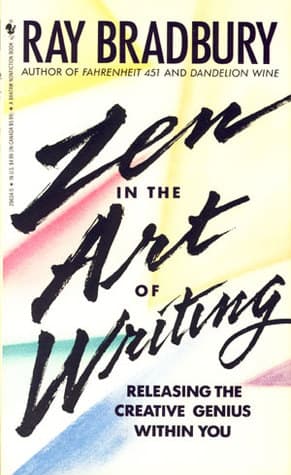
Zen in the Art of Writing cover
Archivist's Choice

Zen in the Art of Writing

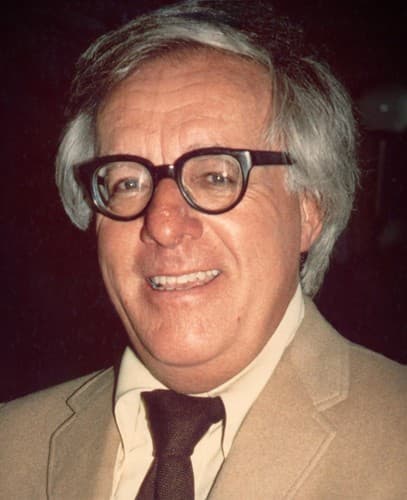
Ray Bradbury (1990)

Genre

Biography / Reference / Memoir / Creativity / Philosophy

Reading Time

12 Minutes

Key Themes

See below

Track Your Reading

Sign in to track this book

Ray Bradbury inspires writers to embrace life's messiness and turn personal passion into a lifetime of creative storytelling.

Core Idea

Ray Bradbury's "Zen in the Art of Writing" is a passionate and deeply personal exploration of the creative process, advocating for an intuitive, joyous, and prolific approach to writing. Bradbury argues that true creativity springs from an uninhibited engagement with life, a subconscious bubbling of ideas, and a relentless pursuit of what excites and frightens the writer. He emphasizes the importance of reading widely, living fully, and allowing oneself to be a conduit for stories, rather than overthinking or intellectualizing the craft. The book serves as both a memoir of his own journey and a vibrant call to arms for aspiring writers to embrace their unique voice and the sheer pleasure of creation. Bradbury's central thesis revolves around the idea that writing should be an almost spiritual, certainly a deeply emotional, experience. He encourages writers to 'leap and build your wings on the way down,' to write with speed and abandon, to trust their instincts, and to draw heavily from their own lives, memories, and dreams. He views writing not as a chore but as an ecstatic dance, a way to celebrate life and confront fears, ultimately leading to a more authentic and impactful body of work.
Difficulty
Easy

Core idea

The central argument and framework that powers the entire book.

Ray Bradbury's "Zen in the Art of Writing" is a passionate and deeply personal exploration of the creative process, advocating for an intuitive, joyous, and prolific approach to writing. Bradbury argues that true creativity springs from an uninhibited engagement with life, a subconscious bubbling of ideas, and a relentless pursuit of what excites and frightens the writer. He emphasizes the importance of reading widely, living fully, and allowing oneself to be a conduit for stories, rather than overthinking or intellectualizing the craft. The book serves as both a memoir of his own journey and a vibrant call to arms for aspiring writers to embrace their unique voice and the sheer pleasure of creation.

Bradbury's central thesis revolves around the idea that writing should be an almost spiritual, certainly a deeply emotional, experience. He encourages writers to 'leap and build your wings on the way down,' to write with speed and abandon, to trust their instincts, and to draw heavily from their own lives, memories, and dreams. He views writing not as a chore but as an ecstatic dance, a way to celebrate life and confront fears, ultimately leading to a more authentic and impactful body of work.

At a glance

Difficulty

Easy

Key Takeaways

1

Unleash Your Inner Child's Enthusiasm

Writing success stems from rediscovering the passionate, curious self you were at age ten.

Quote

Jump out of bed and tell yourself, 'It's going to be a great day!'

Bradbury says a writer's strongest fuel is pure, childlike enthusiasm. He tells writers to connect with their 'ten-year-old self'—a time of great curiosity, joy in discovery, and a huge appetite for the world. This isn't just about looking back; it's using strong emotional energy. By finding this innocent energy, writers can beat self-doubt, find new ideas, and keep writing for a long time. Writing becomes less like work and more like play, turning a hard task into an adventure, like a child exploring a new playground. This idea helps...

Supporting evidence

Bradbury frequently references his own childhood and early writing experiences, emphasizing how he maintained that youthful perspective throughout his career, which he credits for his prolificacy and unique voice.

Apply this

Dedicate a short daily period to 'play'—freewriting without judgment, brainstorming absurd ideas, or simply observing the world with fresh eyes, actively seeking wonder in the mundane.
2

Read Voraciously and Eclectically

Feed your mind with diverse literature to enrich your subconscious and inspire your unique voice.

Quote

Read everything: fiction, non-fiction, poetry, essays, articles, and even the dictionary.

Bradbury believes reading isn't just a hobby, but a key part of becoming a writer. He promotes a 'love for books,' telling writers to read many different kinds of books from all genres, times, and styles. This wide reading isn't for copying, but for soaking it all in. When the mind takes in rich language, rhythm, and stories, it naturally mixes these parts, creating a writer's own voice instead of one that copies others. He suggests reading one poem, one essay, and one short story daily to build up a strong internal library of words a...

Supporting evidence

Bradbury details his own reading habits, from Shakespeare to pulp fiction, highlighting how this diverse intake informed his distinctive style and imaginative scope.

Apply this

Establish a diverse daily reading habit, consciously exposing yourself to genres or authors you wouldn't typically choose, and keep a 'commonplace book' of inspiring sentences and ideas.

3

Embrace the Power of Free Association

Let your subconscious guide your writing through word association and stream-of-consciousness exercises.

Quote

Write a thousand words a day for ten years and you'll have a million words of garbage, and then you'll have a million words of art.

Bradbury's best practical advice is about daily freewriting, especially using word association. He suggests making lists of nouns that feel important, then writing stories or poems from those words, without editing or a set plan. This method skips the critical, thinking mind, letting deeper ideas come out. The goal isn't perfect writing right away, but digging up real ideas, images, and feelings that might otherwise stay hidden. This constant writing, even if much of it seems like 'garbage,' trains the creative part of the mind, build...

Supporting evidence

Bradbury frequently describes his own process of generating story ideas from lists of nouns and then allowing his mind to wander, demonstrating how this led to many of his famous works.

Apply this

Each morning, list 10-20 evocative nouns, then choose one and freewrite for 30 minutes, letting your thoughts flow wherever the word takes you, without editing or judgment.

4

Don't Chase Money; Chase Joy

True success in writing comes from pursuing what genuinely excites you, not what promises financial gain.

Quote

If you are writing without zest, without gusto, without love, without hope, you are writing for nothing.

This idea is likely the book's most freeing. Bradbury strongly argues against writing only for money, seeing it as a way to stop being creative and become unhappy. Instead, he advises writing what you love, what excites you, and what you would do even if no one paid you. He thinks real passion shows in the writing and is what draws readers. While he knows money is needed, he puts the inner reward of creating above outside approval or money. This view helps writers rethink their goals, moving from outside pressures to inner satisfactio...

Supporting evidence

Bradbury recounts his early struggles and how he persisted in writing the stories he loved, even when they didn't immediately sell, eventually finding immense success by staying true to himself.

Apply this

Regularly ask yourself if the current project genuinely excites you. If not, reassess your motivation or pivot to a topic that reignites your passion, even if it seems less 'marketable.'

5

Cultivate a 'Love Affair' with Words

Treat individual words with reverence, understanding their history, sound, and emotional weight.

Quote

Words are the only things that last forever.

Bradbury's deep respect for language is clear throughout the book. He encourages writers to get close to words, treating them not just as tools but as living things. This means understanding not only their dictionary meanings but also where they come from, how they sound, and the feelings they carry. He suggests looking at the dictionary and thesaurus daily, not because you have to, but out of real curiosity and a wish to expand your word choices. This 'love for words' lets writers pick them carefully, creating writing that is not onl...

Supporting evidence

Bradbury's own prose is a testament to this principle, known for its poetic quality and precise, evocative word choices. He frequently advises exploring dictionaries and thesauruses as a form of creative play.

Apply this

Spend 10-15 minutes daily exploring new words in a dictionary or thesaurus, noting their origins and nuances, and consciously try to incorporate one new word into your writing each week.

6

Don't Overthink, Just Write

Bypass the analytical mind and let the story flow, trusting your instincts and momentum.

Quote

Don't think. Thinking is the enemy of creativity. It's self-conscious, and anything self-conscious is lousy.

This directly challenges the common problem of overthinking, planning, and self-criticizing during the first draft. Bradbury supports a spontaneous, almost unconscious way of getting words on the page. He believes the intellectual, critical mind can stop the raw, imaginative flow needed for new content. His advice is to write fast, without stopping to edit or judge, letting the story unfold naturally. The 'thinking' and fixing come later, during editing. This method helps writers overcome writer's block by just moving forward, buildin...

Supporting evidence

Bradbury describes his method of writing first drafts rapidly, often completing a short story in a single sitting, and resisting the urge to edit until later, viewing initial editing as a creativity killer.

Apply this

Set a timer for 30-60 minutes and write continuously without stopping, rereading, or editing. Focus solely on getting thoughts down, even if they seem incoherent.

7

Embrace Your Obsessions and Fears

The most compelling stories emerge from confronting and exploring your deepest personal anxieties and fascinations.

Quote

Write about what frightens you, what you love, what makes you angry. Write about what you know.

Bradbury's work, especially his science fiction and horror, comes from his own fears and interests, a point he stresses for all writers. He encourages deep self-examination, telling writers to find their main obsessions—the things that keep them awake or fill them with wonder—and use these as the basis for their stories. This isn't just about looking inward; it's about bravely facing and showing these inner worlds. By doing this, writers connect with common human experiences, creating stories that deeply affect readers. This approach ...

Supporting evidence

Bradbury frequently discusses how his own childhood fears (e.g., clowns, the dark, death) and fascinations (e.g., space, books, autumn) directly inspired iconic works like 'Something Wicked This Way Comes' and 'The Martian Chronicles'.

Apply this

Keep a 'fear and wonder' journal, noting down every small anxiety, fascination, memory, or strong emotion you experience, then use these as prompts for short story ideas.

8

The Importance of Daily Practice

Consistent, disciplined writing is the only path to mastery and the discovery of your authentic voice.

Quote

You must write every single day of your life... You must do it. So I wrote every day.

Bradbury is clear about the need for daily writing. He sees it not as an extra but as a must-do habit, like an athlete's training. This regular practice isn't just about writing; it's about building creative strength, improving one's skill, and, most importantly, finding and strengthening one's own voice. He argues that daily writing keeps creative paths open, preventing rust and allowing the subconscious to constantly process and create ideas. It's through this steady effort that a writer moves past copying and into true originality....

Supporting evidence

Bradbury's own career is a testament to this, having written millions of words, often completing a short story every week for years, leading to his vast and diverse bibliography.

Apply this

Commit to writing at least 30 minutes every day, even if you don't feel inspired, treating it as a non-negotiable appointment with your craft.

9

Find Your Own Truth and Voice

Authenticity in writing comes from deeply knowing yourself and rejecting the urge to imitate others.

Quote

There is only one thing in the world worse than being talked about, and that is not being talked about.

Bradbury strongly supports accepting yourself and developing a real, unique voice. He warns against trying to copy other successful writers, stressing that true literary impact comes from showing your own view, experiences, and inner world. He believes everyone has a distinct 'voice' and a unique set of 'truths' that, when honestly explored, will connect with others. This means looking deeply into your own life, memories, emotions, and thoughts. By embracing what makes you different, instead of following trends or expectations, a writ...

Supporting evidence

Bradbury continually references his own eccentricities and unique imagination, portraying them as assets rather than liabilities, which allowed him to create genre-bending works.

Apply this

Write a 'manifesto' for your own writing, outlining your core beliefs, what you want to achieve, and what makes your perspective unique, then review it regularly.

10

The Artist's Duty: To Live and Observe

A rich inner life and keen observation of the world are indispensable wellsprings for creative work.

Quote

Live, and live with everything that happens to you. If you don't live, you have nothing to write about.

Bradbury states that a writer's main 'duty' is to live fully and observe closely. He argues that creativity doesn't come from nowhere; it is fed by constantly taking in life's sensory details, emotional experiences, and intellectual ideas. This means being present, paying attention to both ordinary and amazing things, and actively engaging with the world around you. Every interaction, every sight, sound, smell, and feeling becomes possible material for stories. This focus on living a rich life challenges the idea of the isolated write...

Supporting evidence

Bradbury's vivid descriptions in his stories are often attributed to his lifelong habit of keen observation, from carnival sights to the everyday details of small-town life, which he frequently references as his inspiration.

Apply this

Practice mindful observation for 15 minutes daily: sit in a public place and note down every detail, conversation snippet, or sensory input without judgment, or actively seek out new experiences weekly.

Critical analysis

Notable Quotes

Quiz

Test Your Knowledge

Ready to see how well you understood this book? Take our interactive quiz with 10 questions.

10
Questions
~5
Minutes
?
Best Score

Key Questions (FAQ)

Bradbury emphasizes the importance of zest, gusto, curiosity, and a spirit of adventure in writing. He encourages writers to embrace their unique instincts and enthusiasms, and to draw inspiration from their own lives.

About the author

Ray Bradbury

Ray Douglas Bradbury was an American author and screenwriter. One of the most celebrated 20th-century American writers, he worked in a variety of modes, including fantasy, science fiction, horror, mystery, and realistic fiction.