BookBrief
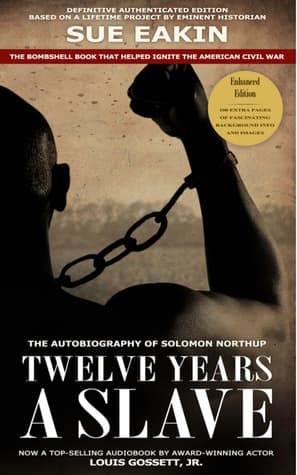
Twelve Years a Slave cover
Archivist's Choice

Twelve Years a Slave

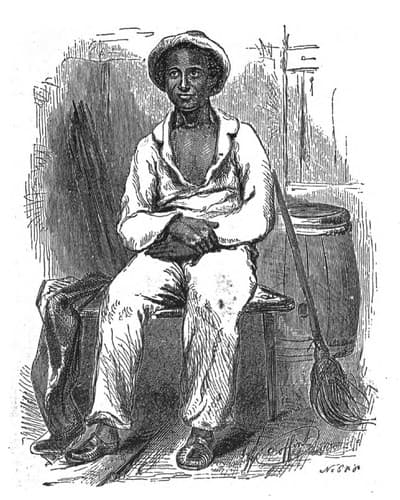
Solomon Northup (1853)

Genre

Biography / Memoir / History

Reading Time

10-12 hours

Key Themes

See below

Track Your Reading

Sign in to track this book

A free black man's harrowing twelve-year odyssey from Northern liberty to the brutal cotton plantations of the South, exposing the raw, dehumanizing machinery of American slavery.

Core Idea

Solomon Northup's 'Twelve Years a Slave' is a harrowing first-person account that details the brutal reality of slavery in the American South. Northup, a free Black man, was kidnapped and sold into bondage. His narrative is an irrefutable account of the systemic dehumanization, economic exploitation, and psychological torment in slavery, challenging romanticized portrayals of the antebellum South. It shows how fragile freedom can be, how arbitrary cruelty is, and how the human spirit can survive and resist suffering. The book's central argument is that slavery was not merely an abstract political issue but a personal, violent, and morally corrupt system that stripped individuals of their identity, dignity, and humanity. Northup's detailed observations of varied cruelties from different masters, the constant threat of violence, the deliberate suppression of literacy, and the trauma of family separation provide an undeniable indictment of the entire institution. It emphasizes the importance of external intervention and bearing witness to expose and ultimately dismantle such injustices.
Reading time
10-12 hours
Difficulty
Medium
✓ Read this if...
You want a powerful, firsthand account of the brutal realities of slavery from the perspective of a free man kidnapped into bondage, offering an unvarnished look at the systemic dehumanization and economic exploitation of the antebellum South.
✗ Skip this if...
You are seeking a light read or prefer to avoid graphic descriptions of physical and psychological abuse, as the book does not shy away from the horrific details of slavery.

Core idea

The central argument and framework that powers the entire book.

Solomon Northup's 'Twelve Years a Slave' is a harrowing first-person account that details the brutal reality of slavery in the American South. Northup, a free Black man, was kidnapped and sold into bondage. His narrative is an irrefutable account of the systemic dehumanization, economic exploitation, and psychological torment in slavery, challenging romanticized portrayals of the antebellum South. It shows how fragile freedom can be, how arbitrary cruelty is, and how the human spirit can survive and resist suffering.

The book's central argument is that slavery was not merely an abstract political issue but a personal, violent, and morally corrupt system that stripped individuals of their identity, dignity, and humanity. Northup's detailed observations of varied cruelties from different masters, the constant threat of violence, the deliberate suppression of literacy, and the trauma of family separation provide an undeniable indictment of the entire institution. It emphasizes the importance of external intervention and bearing witness to expose and ultimately dismantle such injustices.

At a glance

Reading time

10-12 hours

Difficulty

Medium

Read this if...

You want a powerful, firsthand account of the brutal realities of slavery from the perspective of a free man kidnapped into bondage, offering an unvarnished look at the systemic dehumanization and economic exploitation of the antebellum South.

Skip this if...

You are seeking a light read or prefer to avoid graphic descriptions of physical and psychological abuse, as the book does not shy away from the horrific details of slavery.

Key Takeaways

1

The Fragility of Freedom

Freedom, once presumed, can be violently and arbitrarily snatched away, even from those born free.

Quote

My object in writing the following narrative is to perpetuate the remembrance of these things.

Northup's narrative powerfully shows the precariousness of freedom for Black individuals in 19th-century America. Born free in New York, he enjoyed a life of autonomy and skilled labor, only to be lured under false pretenses, drugged, and awoken in chains. This sudden, brutal transition from citizen to chattel reveals how a flawed legal system and the institution of slavery could render an individual's birthright meaningless. His story is a chilling reminder that freedom was not a universal right but a conditional privilege, easily re...

Supporting evidence

Northup's own experience of being drugged and waking up in a slave pen, despite possessing his free papers, is the central evidence. He details how his documents were confiscated or destroyed, rendering him indistinguishable from those born into slavery.

Apply this

Recognize that societal progress is often hard-won and fragile. Advocate for and protect human rights, understanding that historical injustices can re-emerge if vigilance is lost. Support efforts that ensure legal protections are robust and equitably applied to all citizens.
freedom-precariousnesssystemic-injusticekidnapping-slavery
2

The Dehumanizing Economy of Slavery

Slavery reduced human beings to mere commodities, valued solely for their labor and market price.

Quote

From the time I was first taken, up to the day of my release, I had been in the hands of but three different masters... and in that time I had been sold, I think, nine or ten times.

Northup meticulously details the mechanics of the slave trade, showing how human lives were stripped of all intrinsic value and transformed into transferable assets. He describes the slave markets of Washington D.C. and New Orleans, where men, women, and children were inspected, priced, and sold like livestock. This commodification dictated every aspect of their existence, from their physical health—which impacted their 'value'—to the brutal separation of families, deemed necessary for economic efficiency. The narrative illustrates ho...

Supporting evidence

Northup's firsthand account of being displayed, examined, and sold at various slave markets, and his descriptions of the specific prices paid for individuals based on age, strength, and skills, particularly his own sale to William Ford and later to Edwin Epps.

Apply this

Critically analyze economic systems to ensure they uphold human dignity and ethical practices. Support fair labor initiatives and oppose any system that exploits individuals for profit. Understand that economic models can have profound ethical implications.

slave-economycommodification-humanityslave-markets
3

The Psychological Toll of Bondage

Slavery inflicted profound and lasting psychological damage, forcing enslaved individuals to adopt complex coping mechanisms.

Quote

It is not the pain of the lash that cuts the deepest, but the agony of the spirit.

Beyond the physical brutality, Northup's narrative reveals the deep psychological scars left by slavery. He recounts the constant fear of violence, the despair of separation from family, and the indignity of being stripped of agency and identity. Enslaved people were forced to perform an elaborate charade of submission and docility to survive, masking their true feelings and intelligence. Northup himself, despite his education, had to feign illiteracy to avoid suspicion and punishment. This constant suppression of self, coupled with t...

Supporting evidence

Northup's decision to conceal his literacy and intelligence, his internal struggles with despair and the temptation of suicide, and his observations of other enslaved people's emotional states and coping behaviors, such as singing spirituals to express sorrow.

Apply this

Cultivate empathy for those enduring oppression and recognize the often-invisible psychological burdens they carry. Prioritize mental health support in communities affected by trauma and injustice. Understand that resilience often hides deep internal struggles.

psychological-slaverytrauma-bondagecoping-mechanisms
4

The Varied Cruelty of Masters

While some masters were less overtly cruel, the fundamental injustice of slavery made even 'kindness' a form of control.

Quote

It is not the fault of the slaveholder that he is cruel, but the fault of the system in which he lives.

Northup encounters a spectrum of slaveholders, from the 'benevolent' William Ford, who shows some concern for his enslaved people's welfare and provides religious instruction, to the sadistic Edwin Epps, who delights in whipping and torturing them. This range illustrates that while individual personalities played a role, the institution of slavery itself was corrupting. Even Ford, despite his 'kindness,' still owned human beings and profited from their forced labor. His occasional acts of mercy were not driven by a belief in equality ...

Supporting evidence

The stark contrast between William Ford's treatment of his enslaved people (providing adequate food, clothing, and allowing religious services) and Edwin Epps's brutal, arbitrary whippings, starvation, and psychological torment, particularly of Patsey.

Apply this

Recognize that systemic issues often enable individual acts of cruelty. Challenge and dismantle oppressive systems, rather than solely focusing on individual 'bad actors.' Understand that even 'benevolent' forms of control can be deeply unethical.

master-crueltysystemic-evilbenevolent-slavery
5

The Enduring Spirit of Resistance

Despite overwhelming oppression, enslaved individuals found myriad ways to resist, both overt and subtle.

Quote

The song of the slave is not the song of the happy.

Northup's narrative, while detailing immense suffering, also highlights the resilience and various forms of resistance employed by enslaved people. From the overt act of attempting escape (which Northup himself contemplates and aids others with) to more subtle forms like feigning illness, slowing work, breaking tools, or preserving cultural practices, resistance was a constant undercurrent. His own act of secretly writing a letter and seeking outside help is a profound act of defiance. The communal singing of spirituals, often imbued ...

Supporting evidence

Northup's efforts to send letters, his observation of other enslaved people's 'day-to-day' resistance (e.g., feigning sickness), and the symbolic power of the spirituals sung on plantations.

Apply this

Seek out and amplify marginalized voices. Recognize that resistance can manifest in many forms, from overt protest to subtle acts of self-preservation and cultural affirmation. Support movements for social justice and liberation.

slave-resistanceresilience-oppressioncovert-resistance
6

The Indispensable Role of Literacy

Literacy, often forbidden, was a powerful tool for survival, communication, and eventual liberation.

Quote

To be able to read and write was a dangerous accomplishment.

Northup's ability to read and write, a skill he possessed from his free life, becomes a crucial, albeit dangerous, asset throughout his enslavement. He must meticulously conceal this knowledge, understanding that its discovery could lead to severe punishment or even death, as literate enslaved people were seen as a threat to the established order. Yet, it is this very literacy that ultimately facilitates his escape. The secret letters he attempts to send, and the final successful communication with his family and allies in New York, a...

Supporting evidence

Northup's careful concealment of his literacy, his attempts to write and send letters, and the ultimate success of his rescue due to a letter reaching his family and the subsequent legal action.

Apply this

Advocate for universal access to education and literacy as fundamental human rights. Recognize the empowering potential of knowledge and information in combating injustice. Support initiatives that bridge educational disparities.

literacy-powereducation-liberationforbidden-knowledge
7

The Hypocrisy of Southern Society

The narrative exposes the profound moral contradictions at the heart of a society built on chattel slavery.

Quote

The church, too, lent its influence to support the institution of slavery.

Northup's account starkly reveals the hypocrisy embedded within Southern society, particularly among those who claimed moral and religious piety while actively participating in or condoning slavery. He observes church services where masters and enslaved people sat together, listening to sermons that often twisted scripture to justify bondage, even as these same masters engaged in brutal exploitation outside the church walls. The 'gentlemen' who frequented slave markets, the respectable citizens who bought and sold human beings, and th...

Supporting evidence

Descriptions of church services where masters and enslaved people listened to sermons, the 'respectable' nature of many slaveholders, and the legal framework that facilitated slave sales and ownership.

Apply this

Critically examine societal norms and institutions for hidden biases and hypocrisies. Challenge narratives that justify oppression. Advocate for moral consistency in public and private life, especially from those in positions of power.

southern-hypocrisymoral-dissonancereligious-justification-slavery
8

The Enduring Trauma of Family Separation

The constant threat and reality of family separation inflicted immeasurable pain and psychological wounds.

Quote

The children cried piteously, but the man had no tears left.

One of the most heart-wrenching aspects of Northup's narrative is the repeated depiction of families torn apart by sale. He witnesses countless instances of parents separated from children, husbands from wives, with no regard for their emotional bonds. This constant threat of separation was a powerful tool of control, ensuring compliance through fear. The emotional devastation caused by these forced partings is palpable, leaving deep, unhealing wounds. Northup himself, though separated from his family before his sale, deeply yearns fo...

Supporting evidence

Northup's descriptions of slave auctions where families were deliberately broken up, such as the sale of Eliza and her children, and his own prolonged separation from his wife and children.

Apply this

Advocate for policies that protect family unity and condemn practices that forcibly separate families. Support organizations that work to reunite families separated by conflict, disaster, or unjust systems. Recognize the profound impact of family separation on individual and communal well-being.

family-separation-slaverytrauma-familyemotional-devastation
9

The Imperative of Bearing Witness

Northup's narrative is a crucial act of historical documentation, ensuring the atrocities of slavery are not forgotten.

Quote

It is a singular fact that I was born a freeman, and for more than thirty years enjoyed the blessings of liberty in the free states, and then, by a succession of strange events, was plunged into the abyss of slavery.

Solomon Northup's decision to recount his horrific experience, meticulously detailed and verified, is not merely a personal memoir but an essential act of historical witness. His narrative provided undeniable, firsthand evidence of the brutal realities of slavery, directly countering pro-slavery propaganda that sought to sanitize or deny its horrors. As a free-born man kidnapped into bondage, his unique perspective lent immense credibility and urgency to the abolitionist cause. By naming names, locations, and specific events, Northup ...

Supporting evidence

The entire book itself is the evidence, especially the detailed descriptions of plantations, masters, and the legal process of his rescue, all corroborated by David Wilson and later historians.

Apply this

Support historical preservation and the documentation of human rights abuses. Listen to and amplify the voices of survivors and those who have experienced injustice. Understand that historical truth is critical for societal healing and preventing future atrocities.

historical-witnessabolitionist-literaturetruth-telling
10

The Role of External Intervention

Liberation often required external intervention, highlighting the limitations of individual agency under extreme oppression.

Quote

My freedom was obtained through the efforts of others, not my own.

While Northup demonstrates remarkable resilience and agency throughout his enslavement, his eventual liberation was ultimately dependent on external intervention. Despite his efforts to send letters and his keen intelligence, it was the tireless work of his family in New York, their connection with Governor Washington Hunt, and the legal actions taken by Henry B. Northup that secured his freedom. This powerfully illustrates the systemic nature of slavery, where individual effort, no matter how determined, could rarely overcome the ent...

Supporting evidence

The specific legal and political actions taken by his family, Governor Hunt, and Henry B. Northup, culminating in his rescue by the sheriff from Edwin Epps's plantation.

Apply this

Actively support and participate in collective efforts for social justice. Understand that systemic problems often require systemic solutions and external advocacy. Be an ally to those who are oppressed, leveraging your own privilege and resources to help secure their liberation.

external-interventioncollective-actionabolitionist-movement

Critical analysis

Notable Quotes

I had been seized, drugged, brought to a slave pen, and was now on my way to the South.

Northup's realization after being kidnapped and held captive in Washington D.C.

I could not, with any degree of certainty, tell the day of the week, or month, or even the year.

Describing the profound disorientation and loss of time experienced in slavery.

Oh, how I wished for one look at the faces of my little ones, for one sound of their voices!

Northup's longing for his family, separated from him by the slave trade.

A human being may be beaten and mangled, and suffer for a time, but he will not die.

Reflecting on the resilience of the human spirit amidst severe physical abuse.

It is not the will of the master, but the will of God, that I should be a free man.

Northup's internal conviction about his right to freedom, despite his enslaved status.

The only crime of which I was guilty was that of having a black skin.

Northup's bitter reflection on the injustice of his enslavement based solely on race.

There was no shadow of hope for me, unless I could find some way to send a letter North.

Northup's desperate realization that communication was his only path to freedom.

The slave, if he have a spark of manhood in him, cannot but feel the bitterest hatred towards those who thus oppress him.

Northup explaining the natural human reaction of a slave to their oppressors.

It is not the fault of the slave that he is a slave, but the fault of the system.

A broader critique of the institution of slavery, shifting blame from the individual to the system.

My heart was full of gratitude, and I poured out my thanks to him for his noble, generous efforts.

Northup expressing profound gratitude to Bass, the Canadian carpenter who helped him.

The sun was going down as I was passing through the great pine woods on my way to the ferry.

Northup's poignant description of his journey to freedom, symbolizing the end of his ordeal.

I returned to the scenes of my childhood, to the land of my birth, a free man.

Northup's triumphant return to Saratoga after twelve years of enslavement.

I was a free man; but the past was not a dream. It was a stern reality.

Northup reflecting on his freedom, acknowledging that the trauma of slavery remained a part of him.

I had no means of proving who I was, or that I was a free man.

Northup's initial struggle to establish his identity and freedom after being kidnapped.

I pray that the time may not be distant when all men shall be free.

Northup's closing wish for universal freedom, extending beyond his personal experience.

Quiz

Test Your Knowledge

Ready to see how well you understood this book? Take our interactive quiz with 10 questions.

10
Questions
~5
Minutes
?
Best Score

Key Questions (FAQ)

'Twelve Years a Slave' is the memoir of Solomon Northup, a free-born Black man from New York who was kidnapped in Washington D.C. in 1841 and sold into slavery. The book details his harrowing twelve years in bondage on cotton and sugar plantations in Louisiana before his eventual rescue.

About the author