BookBrief
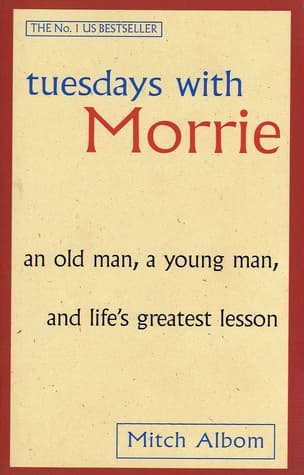
Tuesdays with Morrie cover
Archivist's Choice

Tuesdays with Morrie

Mitch Albom (1997)

Genre

Biography / Memoir / Philosophy

Reading Time

150 min

Key Themes

See below

Track Your Reading

Sign in to track this book

A dying professor's weekly lessons from his bedside change a former student, giving him ideas on life, love, and letting go.

Core Idea

Tuesdays with Morrie tells the story of Morrie Schwartz, a former sociology professor dying from ALS, and his last lessons to his former student, Mitch Albom. Morrie's main idea, developed as he faced death, is that a good life relies on love, human connection, and making your own values instead of following what society expects. He believes that accepting we will not live forever helps us live more fully, forgive ourselves and others, and find real happiness not in money or youth, but in helping others and having real relationships.
Reading time
150 min
Difficulty
Easy
✓ Read this if...
You are seeking profound insights on living a meaningful life, facing mortality, and the enduring power of mentorship and love. This book is for anyone grappling with life's big questions about purpose, aging, and happiness.
✗ Skip this if...
You prefer a purely academic or rigorously researched philosophical text, or if you are averse to emotionally resonant, reflective memoirs that delve into personal struggle and end-of-life experiences.

Core idea

The central argument and framework that powers the entire book.

Tuesdays with Morrie tells the story of Morrie Schwartz, a former sociology professor dying from ALS, and his last lessons to his former student, Mitch Albom. Morrie's main idea, developed as he faced death, is that a good life relies on love, human connection, and making your own values instead of following what society expects. He believes that accepting we will not live forever helps us live more fully, forgive ourselves and others, and find real happiness not in money or youth, but in helping others and having real relationships.

At a glance

Reading time

150 min

Difficulty

Easy

Read this if...

You are seeking profound insights on living a meaningful life, facing mortality, and the enduring power of mentorship and love. This book is for anyone grappling with life's big questions about purpose, aging, and happiness.

Skip this if...

You prefer a purely academic or rigorously researched philosophical text, or if you are averse to emotionally resonant, reflective memoirs that delve into personal struggle and end-of-life experiences.

Key Takeaways

1

Embrace Impermanence

Accepting death allows for a fuller life.

Quote

Once you learn how to die, you learn how to live.

Morrie's acceptance of his terminal illness, ALS, is not giving up, but freedom. He shows that facing death can remove small worries and reveal what truly matters. By knowing life is short, people can live more truly, value moments, and put relationships before material things. This acceptance does not mean giving up on life; instead, it means living each moment left with more awareness and purpose, free from fear of what will happen. It changes how we see death, not as an end, but as a reason to live more deeply.

Supporting evidence

Morrie's daily experience with ALS, observing his body's decline, yet maintaining a vibrant spirit and engaging deeply with visitors, particularly Mitch.

Apply this

Practice 'detachment' from outcomes and material possessions. Spend time contemplating your own mortality not as a morbid exercise, but as a way to clarify your values and priorities. Regularly ask yourself if you are living in alignment with what truly matters to you.


mortality-acceptancemindfulness-livingexistentialism
2

Love: The Only Rational Act

Connecting through love is life's ultimate purpose.

Quote

Love is the only rational act.

Morrie always says that love—giving it, getting it, and letting it flow—is the most important part of a good life. He argues that society often pushes us to get money, status, and power, which leave us feeling empty. Real happiness, Morrie teaches, comes from human connection and helping others without expecting anything back. As his body fails, his ability to love and connect only grows, becoming his main source of joy and purpose. This is not just romantic love, but a wider, caring love for people, family, and friends that supports ...

Supporting evidence

Morrie's deep relationships with his family, friends, and even his caregiver, Connie. His joy in Mitch's visits and his genuine interest in Mitch's life, despite his own suffering.

Apply this

Consciously nurture your relationships. Express love and appreciation regularly to family and friends. Seek opportunities to serve others in your community. Prioritize human connection over professional achievements or material gains.

human-connectioncompassionaltruism
3

Create Your Own Culture

Reject societal pressures that contradict your values.

Quote

Don't buy into the culture. Don't buy everything you're told.

Morrie criticizes the common societal culture that often values money, youth, and surface achievements more than real human connection and personal happiness. He tells people not to just follow these outside pressures, but to make their own 'subculture' based on personal values, empathy, and love. This means choosing to define success and happiness for yourself, instead of taking society's often mistaken definitions. His own life, even as he was dying, shows how to live by different, more humane rules.

Supporting evidence

Morrie's rejection of consumerism and his focus on relationships, intellectual pursuits, and emotional well-being, even as his physical abilities diminished. His advice to Mitch about the 'crap' in society.

Apply this

Identify societal values you disagree with (e.g., constant pursuit of wealth, excessive consumerism). Deliberately cultivate habits and relationships that align with your personal values. Spend less time consuming media that promotes values you reject, and more time on activities that nourish your soul.

counter-cultureauthenticityvalue-alignment
4

The Importance of Forgiveness

Holding grudges harms you more than the other.

Quote

Forgive yourself before you die. Then forgive others.

Morrie points out that forgiveness is an important step to inner peace, especially when facing the end of life. He says that anger and unresolved issues create emotional burdens that stop people from living fully and dying peacefully. Forgiving others releases the anger and pain from past hurts, while forgiving yourself for perceived mistakes helps you accept yourself. This two-part process of forgiveness is not about saying bad actions were okay, but about freeing yourself from their emotional hold, allowing for a clearer, more lovin...

Supporting evidence

Morrie's reflections on his own past relationships and his conscious effort to let go of any lingering resentments before his death. His advice to Mitch regarding past regrets.

Apply this

List any grudges you hold or people you feel you need to forgive. Consider writing a letter (even if unsent) expressing your feelings and then consciously letting go of the resentment. Practice self-compassion for past mistakes or regrets.

emotional-releaseself-compassionreconciliation
5

Mourn, Then Move On

Feel emotions fully, then release them.

Quote

Don't cling to things, because everything is impermanent.

Morrie suggests fully feeling emotions, especially sadness and grief, instead of hiding them. He talks about letting himself fully feel the pain and sorrow of his health getting worse, even crying when needed, but then consciously moving past the sadness. This is not about ignoring pain, but about recognizing it, letting it pass, and then returning to a state of peace and gratitude. This practice stops emotions from becoming too much and taking over, letting you keep a good outlook even in hard times.

Supporting evidence

Morrie's description of his 'morning cry' – allowing himself a moment of self-pity, then moving on to embrace the day.

Apply this

When faced with difficult emotions, allow yourself a dedicated time to feel them fully without judgment. Set a timer if helpful. Then, consciously shift your focus to something positive or productive. Practice mindfulness to observe emotions without getting swept away by them.

emotional-intelligencegrief-processingdetachment
6

The Power of Teaching

Sharing wisdom extends our legacy.

Quote

Death ends a life, not a relationship.

Morrie's last 'class' with Mitch shows the effect of teaching and the lasting power of sharing knowledge and life lessons. Even as his body weakens, Morrie's mind stays sharp, and his teaching spirit shines. He finds purpose and joy in sharing his ideas, making his dying days a final, valuable lesson for Mitch and, through Mitch's book, for many readers. This shows how teaching, in its broad sense, lets us leave a lasting mark that goes beyond our physical life, affecting future generations and keeping relationships alive in spirit.

Supporting evidence

The entire premise of the book – Morrie's weekly 'classes' with Mitch on various topics of life and death, culminating in Mitch writing the book as a tribute.

Apply this

Seek opportunities to mentor younger colleagues or individuals. Share your life experiences and lessons with family and friends. Consider writing or documenting your insights. Be open to learning from others, regardless of age or experience.

mentorshiplegacywisdom-sharing
7

Youth is Overrated

Aging brings wisdom and a deeper perspective.

Quote

If you're always battling against getting older, you're always going to be unhappy.

Morrie questions society's focus on youth and its fear of getting older. He says that while youth brings physical energy, it often lacks the wisdom, perspective, and emotional depth that come with age. He sees aging not as something to fear, but as a natural process that brings new understanding and a richer appreciation for life. By accepting aging, people can avoid always being unhappy chasing an impossible ideal and instead find happiness in each stage of life, valuing what maturity brings.

Supporting evidence

Morrie's reflections on how he enjoyed being in his sixties and seventies more than his thirties, despite his illness. His observation that older people often wish to be young, but young people rarely wish to be old.

Apply this

Challenge your own biases about aging. Actively seek out the wisdom and company of older individuals. Focus on developing internal qualities like wisdom, empathy, and resilience, which improve with age, rather than solely on external appearances.

ageismwisdomself-acceptance
8

Money Doesn't Buy Happiness

Material wealth is a poor substitute for love and purpose.

Quote

Money is not a substitute for tenderness, and power is not a substitute for tenderness.

Through his talks, Morrie always disproves the idea that money and career success lead to lasting happiness. He sees how many people, including Mitch at first, chase these outside signs only to feel empty and disconnected. Morrie, despite not having much money and being terminally ill, shows deep contentment from rich relationships, thinking, and a sense of purpose in helping others. He shows that real security and joy come from giving and getting love, and from helping the community, not from having many things.

Supporting evidence

Mitch's initial focus on his career and wealth, which Morrie gently challenges. Morrie's own life, free from the pursuit of riches, yet filled with profound meaning and connection.

Apply this

Regularly assess your spending and consumption habits. Prioritize experiences and relationships over material purchases. Volunteer your time or donate to causes you care about. Reflect on what truly brings you joy and fulfillment, and align your resources accordingly.

consumerismmaterialismpurpose-driven-life
9

Actively Engage with Life

Don't just go through the motions; participate fully.

Quote

The most important thing in life is to learn how to give out love, and to let it come in.

Morrie's last lesson is about actively living life, even when facing great suffering. Despite his physical limits, he does not withdraw from the world. He keeps reading, talking, laughing, and connecting with others, finding joy in simple things and deep conversations. This active involvement is not about denying his illness, but about refusing to let it define his whole life. It is a reminder that life is meant to be lived, not just watched, and that joy can be found even in the hardest situations through intentional connection and b...

Supporting evidence

Morrie's continued engagement with current events, his interest in Mitch's life, his laughter, and his ability to find humor even in his declining state.

Apply this

Be present in your conversations and activities. Put away distractions and truly listen. Seek out new experiences and learning opportunities. Don't wait for ideal circumstances to engage with life; find joy and meaning in the present moment.

presencemindfulnessengagement
10

The Universal Need for Touch

Physical affection is vital for human well-being.

Quote

Human touch. It's what we all need.

As Morrie's body gets weaker, his need and appreciation for human touch become very clear. He finds comfort and connection in being held, massaged, and simply touched by those he loves. This shows a basic human need often ignored in a society that can be careful about physical closeness. Morrie shows that touch is a strong way to communicate and heal, showing love, comfort, and presence in ways words often cannot. It highlights how important physical affection is for emotional and mental health, especially when vulnerable.

Supporting evidence

Mitch's descriptions of holding Morrie's hand, Morrie's enjoyment of being massaged, and the comfort he derived from physical contact with his caregivers and loved ones.

Apply this

Prioritize physical affection in your close relationships (e.g., hugs, holding hands). Be mindful of how you can offer comforting and appropriate touch to those who need it. Do not underestimate the power of a gentle touch to convey empathy and connection.

physical-affectionemotional-connectioncomfort

Critical analysis

Notable Quotes

Quiz

Test Your Knowledge

Ready to see how well you understood this book? Take our interactive quiz with 10 questions.

10
Questions
~5
Minutes
?
Best Score

Key Questions (FAQ)

'Tuesdays with Morrie' is a memoir by Mitch Albom about his weekly visits with his former college professor, Morrie Schwartz, who is dying of ALS. During these visits, Morrie imparts his final lessons on life, love, death, and happiness.

About the author