BookBrief
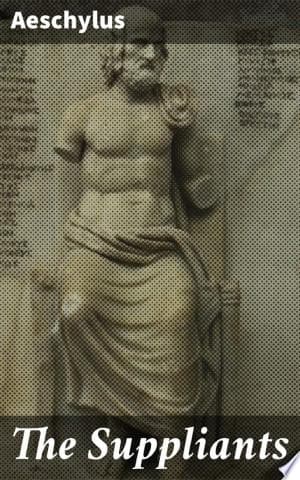
The Suppliants cover
Archivist's Choice

The Suppliants

Aeschylus (2022)

Genre

Creativity

Reading Time

60 min

Key Themes

See below

Track Your Reading

Sign in to track this book

Fifty sisters flee forced marriage to their Egyptian cousins, seeking refuge in Argos and igniting a city-wide debate on hospitality, divine will, and the perilous cost of protecting the vulnerable.

Core Idea

Aeschylus's 'The Suppliants' explores the moral dilemma King Pelasgus and the Argive citizens face when the Danaids ask for asylum. It highlights the weight of choosing between divine law and hospitality versus the threat of war. The play examines the consequences of moral decisions for society and individuals, especially when protecting the vulnerable from tyrannical forces, and the tension between human choice and the often-mysterious will of the gods.
Reading time
60 min
Difficulty
Medium
✓ Read this if...
You are interested in the foundational themes of justice, asylum, collective moral responsibility, and the struggle against patriarchal oppression in ancient Greek tragedy, and appreciate concise, impactful narratives.
✗ Skip this if...
You prefer modern prose, extensive character development, or lighthearted themes, and are not inclined towards the dense, poetic language and philosophical weight of classical drama.

Core idea

The central argument and framework that powers the entire book.

Aeschylus's 'The Suppliants' explores the moral dilemma King Pelasgus and the Argive citizens face when the Danaids ask for asylum. It highlights the weight of choosing between divine law and hospitality versus the threat of war. The play examines the consequences of moral decisions for society and individuals, especially when protecting the vulnerable from tyrannical forces, and the tension between human choice and the often-mysterious will of the gods.

At a glance

Reading time

60 min

Difficulty

Medium

Read this if...

You are interested in the foundational themes of justice, asylum, collective moral responsibility, and the struggle against patriarchal oppression in ancient Greek tragedy, and appreciate concise, impactful narratives.

Skip this if...

You prefer modern prose, extensive character development, or lighthearted themes, and are not inclined towards the dense, poetic language and philosophical weight of classical drama.

Key Takeaways

1

The Weight of Moral Choice

Leadership is defined by the courage to act justly, even in the face of grave danger.

Quote

For the decision is not mine alone, but the city's also. I must consult the people and persuade them.

A main theme of 'The Suppliants' is the heavy burden of moral decision-making, especially for those in power. King Pelasgus faces an impossible choice: protect the Danaids and risk war with Egypt, or surrender them and break sacred laws of hospitality and justice. His initial hesitation and eventual commitment show that true leadership means upholding core values, even when consequences are severe. The play suggests a leader's integrity is measured by their willingness to make difficult, right choices for the vulnerable. This decision...

Supporting evidence

King Pelasgus's internal struggle and his plea to the Argive assembly to decide the fate of the Danaids, ultimately leading to the Argives' unanimous vote to protect them, despite the looming threat of war with Egypt.

Apply this

When faced with a complex ethical dilemma, especially in a leadership role, prioritize long-term moral integrity over short-term convenience or risk aversion. Engage stakeholders in the decision-making process to build consensus and shared responsibility, but be prepared to lead with conviction once a just path is identified.

moral-dilemmaethical-leadershipcivic-duty
2

Sanctuary and Supplication

The ancient right of supplication as a fundamental claim to protection and justice.

Quote

Here we are, suppliants, holding boughs, a sacred band, at your altars, King.

The Danaids' arrival in Argos as suppliants invokes an ancient Greek custom: the right of sanctuary. By seeking protection from the gods and the local ruler, they activate a strong moral obligation. Denying suppliants protection was not just a political act, but a sacrilege, inviting divine anger. This tradition shows the societal value placed on compassion, hospitality, and protecting the vulnerable. Aeschylus uses this to make the Argives, and the audience, confront the need to uphold these sacred laws, even with significant sacrifi...

Supporting evidence

The Danaids' use of suppliant boughs and their direct appeal to Zeus and other Olympian gods for protection, which King Pelasgus acknowledges as a powerful and binding claim. The herald's later attempt to violently seize them is seen as a violation of this sacred right.

Apply this

Recognize and uphold the 'unwritten laws' of compassion and human dignity. Advocate for and protect those who are vulnerable or seeking refuge, understanding that some moral obligations transcend immediate self-interest or political convenience. Support systems that offer sanctuary and aid to those in need.

divine-justicehospitalityhuman-rights
3

The Power of Collective Will

Democratic action, even in nascent forms, can be a force for justice.

Quote

The people have voted, and the city has decided. We shall protect these women.

While King Pelasgus initially struggles with the decision, he wisely defers to the Argive assembly. This democratic consultation is important. The Argives, despite the explicit threat of war, collectively choose to uphold justice and protect the Danaids. This shows Aeschylus's early look at civic responsibility and the power of a united people to make brave moral choices. The play suggests that when a community commits to an ethical stance, it gains strength and legitimacy, even against superior external forces. The collective voice, ...

Supporting evidence

King Pelasgus's explicit statement that he cannot make the decision alone and must consult the 'people of Argos.' The subsequent unanimous vote by the Argive citizens to grant asylum to the Danaids, despite the danger of war with Egypt.

Apply this

In group decision-making, foster environments where all voices can be heard and contribute to ethical outcomes. Advocate for participatory processes when major moral or strategic decisions are at stake. Trust in the collective wisdom of a well-informed and ethically-minded group to make difficult but just choices.

democracycivic-engagementcollective-action
4

The Threat of Patriarchy and Forced Marriage

The play exposes the brutal realities of women's lack of agency in ancient societies.

Quote

We flee from marriage, from the sons of Aegyptus, who seek to wed us against our will.

At its heart, 'The Suppliants' criticizes forced marriage and patriarchal systems that deny women control over their bodies and lives. The Danaids' desperate flight is not just from specific men, but from a societal structure that sees women as property. Their terror and refusal to marry their cousins, despite death threats, highlight the injustice of being denied consent. Aeschylus, through their situation, brings forward the vulnerability of women in a world where their wishes were often secondary to family or political arrangements...

Supporting evidence

The entire premise of the Danaids' flight from Egypt, specifically to escape forced marriage to their cousins, the sons of Aegyptus. Their repeated expressions of horror at the prospect of these unions and their preference for death over such a fate.

Apply this

Actively challenge and dismantle systems that deny individuals, especially women, agency over their own lives and bodies. Support movements and policies that promote consent, bodily autonomy, and gender equality. Be vigilant against any form of coercion in relationships or societal structures.

gender-inequalitybodily-autonomypatriarchy
5

Fear and Foreignness

The challenge of empathy and acceptance towards 'the other' in times of crisis.

Quote

These strangers, new to our land, bring with them a heavy burden of fear.

The Danaids arrive in Argos as 'foreigners,' speaking a different dialect and looking different. King Pelasgus initially expresses worry, noting their 'barbaric' dress and language. This highlights the human tendency to view 'the other' with suspicion, especially when their arrival brings potential conflict. However, the play's resolution—the Argives' decision to protect them—shows empathy and shared humanity overcoming xenophobia. It suggests that while initial fear of the unknown is natural, a just society must look beyond superfici...

Supporting evidence

King Pelasgus's initial hesitation and questioning of the Danaids' origins and appearance, describing them as having 'foreign garb' and 'barbaric accents,' before understanding their plight.

Apply this

Consciously challenge biases against those who are different from oneself, whether in origin, culture, or background. Seek to understand their experiences and perspectives. Advocate for inclusive policies and environments that welcome and protect newcomers, fostering a sense of shared community rather than division.

xenophobiaempathycultural-diversity
6

Divine Will vs. Human Agency

The tension between fate and free will as characters navigate impossible choices.

Quote

Zeus, the protector of suppliants, watches over us. His will be done.

Throughout the play, the Danaids constantly appeal to the gods, especially Zeus, as the ultimate judge of justice and their protector. They believe their flight is divinely approved, a plea for divine help against an unjust fate. Conversely, King Pelasgus and the Argives grapple with their own choices, making decisions with serious consequences. Aeschylus explores the complex interaction between perceived divine will or destiny, and the moral choices humans must make within that framework. The play subtly argues that even if divine fo...

Supporting evidence

The Danaids' constant prayers and appeals to Zeus Hikesios (protector of suppliants) and other gods. King Pelasgus's acknowledgment of the gods' laws regarding suppliants, which heavily influences his and the Argives' decision, yet he still frames it as a human choice.

Apply this

While acknowledging external circumstances or 'fate,' take full responsibility for your own choices and actions. Strive to make decisions that align with your deepest ethical convictions, believing that human agency can still shape outcomes within broader contexts. Don't use external forces as an excuse for inaction or moral compromise.

fate-vs-free-willdivine-interventionmoral-responsibility
7

The Weight of a City's Reputation

A city's honor is intrinsically linked to its adherence to justice and sacred laws.

Quote

If I do not protect these suppliants, a stain will fall upon Argos, a shame that will never be washed away.

King Pelasgus knows his decision, and Argos's decision, will affect the city's reputation and standing. Breaking the sacred laws of supplication would invite divine anger and brand Argos as unjust and impious. This concern for honor and 'kleos' (glory/reputation) is a strong motivator. Aeschylus illustrates that a city's true strength and legacy are not only in its military might, but in its moral character and commitment to universal principles of justice. This theme resonates strongly, reminding us that collective actions shape coll...

Supporting evidence

Pelasgus's explicit fear that if he fails to protect the Danaids, the 'wrath of Zeus' will fall upon Argos, and the city will be seen as impious and unjust by all of Greece. The Argives' unanimous vote reflects a shared understanding of this civic duty.

Apply this

Recognize that your actions, especially in a public or leadership role, contribute to the reputation of your organization, community, or even nation. Prioritize ethical conduct and adherence to principles of justice to build a lasting, positive legacy. Understand that integrity is a collective asset.

civic-honorreputationjustice-system
8

The Brutality of the Herald

Tyranny often manifests as arrogant disregard for law and human dignity.

Quote

I will drag you by your hair, whether you wish it or no, back to your rightful masters!

The Egyptian Herald's arrival sharply contrasts with Argos's deliberative, justice-seeking nature. The Herald embodies tyrannical power, arrogance, and a complete disregard for sacred laws of supplication or the Argive people's will. His threats and attempts to violently seize the Danaids highlight the brute force and lack of compassion in oppressive regimes. He represents the force the Danaids are fleeing, and his confrontational style underscores the deep ideological divide between a society that values justice and one that operates...

Supporting evidence

The Herald's aggressive demeanor, his threats to drag the Danaids away by force, and his dismissal of Pelasgus's authority and the Argive assembly's decision. His language is full of contempt and claims of ownership.

Apply this

Be wary of individuals or systems that display an arrogant disregard for established laws, human rights, or democratic processes. Challenge bullying tactics and authoritarian tendencies. Support leaders who uphold due process and respect the dignity of all individuals, even those they disagree with.

tyrannyauthoritarianismdue-process
9

The Enduring Relevance of Ancient Tragedy

Timeless themes of justice, morality, and human struggle persist across millennia.

Quote

These ancient stories, though set in distant lands, speak to the eternal heart of humanity.

Despite being written thousands of years ago, 'The Suppliants' remains relevant. Themes of refugees seeking asylum, the struggle against forced marriage, leaders' moral responsibility, and the tension between national interest and universal human rights are as important today as they were in ancient Greece. Aeschylus crafts a narrative that goes beyond its historical context, showing that fundamental questions of justice, compassion, and human dignity are timeless. The play reminds us that studying ancient tragedies is a way to unders...

Supporting evidence

The enduring popularity and study of 'The Suppliants' in modern academia and theater, and its frequent interpretation through contemporary lenses of refugee crises, women's rights, and political ethics.

Apply this

Engage with classical literature and history not as relics, but as living texts that offer profound insights into current events and human nature. Draw parallels between ancient dilemmas and modern challenges to gain perspective and inform your own ethical decision-making. Recognize the cyclical nature of human struggles and triumphs.

classical-relevancetimeless-themeshuman-condition

Critical analysis

Notable Quotes

Zeus is the lord of all, the king of kings, the mightiest of the mighty.

The Danaids invoke Zeus as their ultimate protector and ruler.

For the gods' will is not to be gainsaid, and their purpose is beyond our ken.

The chorus reflects on the inscrutability of divine will.

Better to die than to submit to a hateful marriage.

The Danaids express their strong preference for death over forced marriage.

Let us not bring shame upon this land, nor upon our lineage.

King Pelasgus considers the implications of his decision for Argos's honor.

The voice of the people is the voice of Zeus.

Pelasgus acknowledges the importance of the Argive assembly's vote.

When a city is in peril, all citizens must act as one.

The Argives prepare to defend the Danaids and their city.

Justice, though slow, will surely come.

A reflection on the eventual triumph of righteousness.

To refuse suppliants is to offend the gods.

Pelasgus grapples with the religious obligation to protect the Danaids.

Fear is a bad counselor in times of crisis.

Pelasgus advises against making decisions based purely on fear.

The sea, though vast, cannot hide the deeds of men from the eyes of the gods.

The chorus emphasizes divine omniscience regarding human actions.

What is right for one may be wrong for another.

Pelasgus ponders the complexities of moral choices.

We are but mortals, subject to the whims of fortune.

A lament on the fragility of human existence.

May no discord ever rend this land asunder.

A prayer for unity and peace within Argos.

The path of wisdom is often the most difficult.

Pelasgus reflects on the challenging choices he must make.

Quiz

Test Your Knowledge

Ready to see how well you understood this book? Take our interactive quiz with 10 questions.

10
Questions
~5
Minutes
?
Best Score

Key Questions (FAQ)

'The Suppliants,' also known as 'The Suppliant Maidens,' is an ancient Greek tragedy by Aeschylus. It tells the story of the Danaids, fifty sisters who flee Egypt to Argos to escape forced marriage to their cousins, seeking asylum and protection from King Pelasgus.

About the author

Aeschylus

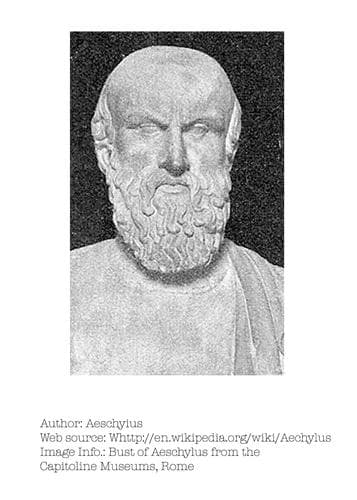
Aeschylus was an ancient Greek tragedian, and is often described as the father of tragedy. Academic knowledge of the genre begins with his work, and understanding of earlier Greek tragedy is largely based on inferences made from reading his surviving plays. According to Aristotle, he expanded the number of characters in the theatre and allowed conflict among them. Formerly, characters interacted only with the chorus.