The Benevolent Surgeon
God's goodness isn't negated by pain, but often expressed through it, much like a surgeon's necessary actions.
Quote
We are, by our own showing, inside a world of which we have not the key. We are objects, not subjects, of the divine activity. And we are very imperfect objects.
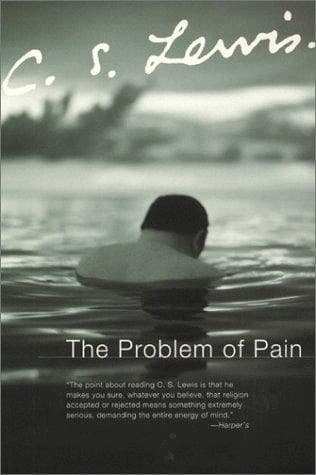
Lewis says our human idea of 'goodness' is limited and often centered on ourselves. God's goodness, being perfect, might appear harsh to our limited minds, especially when it involves pain. He argues that if God were only 'good' in a sentimental, human way, He would be an indulgent parent who never lets a child feel discomfort. This would lead to a spoiled and unfulfilled life. Instead, God's goodness is more like a loving but firm parent or a skilled surgeon who causes temporary pain for a greater, long-term good. This view changes t...
Supporting evidence
Lewis uses the analogy of a child who thinks their parent 'bad' for sending them to school or making them take medicine. From the child's perspective, these are unpleasant, but from the parent's, they are acts of love and necessary for the child's development. Similarly, God's actions, including allowing pain, are for our ultimate good, even if we don't immediately perceive it.
Apply this
When confronted with suffering, instead of immediately questioning God's goodness, consider the possibility that this pain, though unwelcome, might serve a higher purpose or be part of a larger, benevolent design that is currently beyond our full comprehension. Seek to understand what lessons or growth might emerge from the difficulty, rather than just seeking its immediate cessation.