“I have found both freedom and safety in my madness; the freedom of loneliness and the safety from being understood, for those who understand us enslave something in us.”
— The narrator reflects on the liberation found in embracing madness.

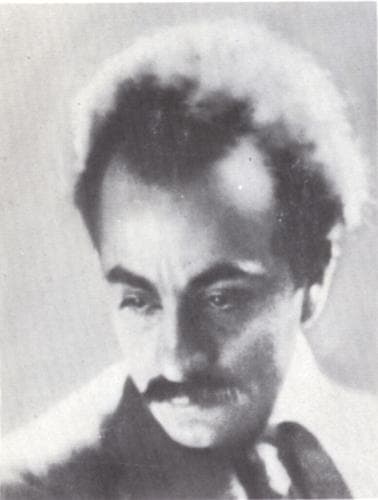
Kahlil Gibran (1938)
Genre
Spirituality / Philosophy
Reading Time
90 min
Key Themes
See below
Sign in to track this book
A man rejects societal norms, embracing self-discovery beyond what others expect, even if it means being called mad.
“I have found both freedom and safety in my madness; the freedom of loneliness and the safety from being understood, for those who understand us enslave something in us.”
— The narrator reflects on the liberation found in embracing madness.
“You ask me how I became a madman. It happened thus: One day, long before many gods were born, I woke from a deep sleep and found all my masks were stolen—the seven masks I have fashioned and worn in seven lives.”
— Opening lines explaining the origin of the narrator's madness.
“For the first time the sun kissed my own naked face and my soul was inflamed with love for the sun, and I wanted my masks no more.”
— After losing masks, the narrator experiences raw, unfiltered reality.
“And as I descended into the deeper caves of spirit I beheld a god asleep, and above his head a winged thought, and about his feet a throng of dreams.”
— A mystical vision encountered during spiritual exploration.
“The fox said: 'My life is a hunt, and I am both the hunter and the hunted.'”
— Dialogue with a fox about the nature of existence.
“I am weary of words and of all things that are made by words.”
— Expressing frustration with the limitations of language.
“In the stillness of the night I have walked among the tombs and seen the dead in their shrouds, and they were at peace.”
— Contemplating death and finding peace in mortality.
“The owl said: 'Thou seekest wisdom, but wisdom is not in seeking; wisdom is in the seeking itself.'”
— Dialogue with an owl about the paradoxical nature of wisdom.
“I have learned silence from the talkative, toleration from the intolerant, and kindness from the unkind; yet strange, I am ungrateful to these teachers.”
— Reflecting on lessons learned from negative experiences.
“My friend, you and I shall remain strangers unto the end, and unto each other, and unto ourselves.”
— Addressing the inherent alienation in human relationships.
“The river said: 'My soul is not within me; my soul is in the banks that hold me.'”
— Dialogue with a river about identity and boundaries.
“I have seen a face with a thousand countenances, and a countenance with a thousand faces.”
— Describing the complexity and multiplicity of human nature.
“They deem me mad because I will not sell my days for gold; and I deem them mad because they think my days have a price.”
— Critiquing societal values of materialism and time.
“In the heart of the forest I met a child playing with his shadow, and the shadow laughed.”
— A surreal encounter highlighting innocence and imagination.
Ready to see how well you understood this book? Take our interactive quiz with 10 questions.
Biography coming soon.
Kay Lynn Mangum
4.3
Stormie Omartian
4.3
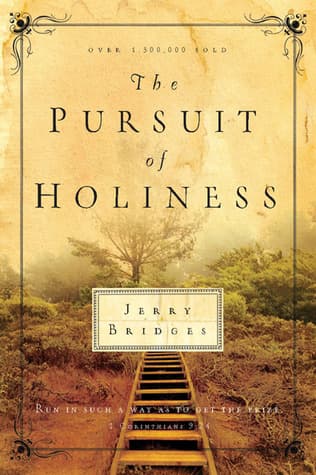
Jerry Bridges
4.3
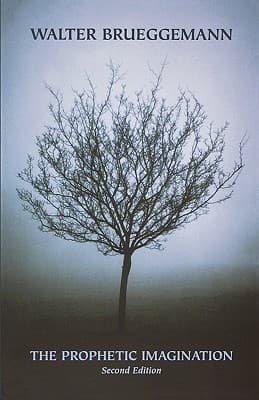
Walter Brueggemann
4.3
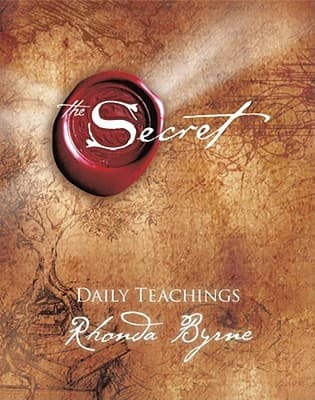
Rhonda Byrne
4.3
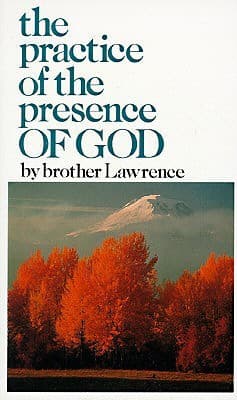
Brother Lawrence
4.3
Joseph Campbell
4.3
Unknown
4.3