The Unseen Immortal
Henrietta Lacks's cells, not her, achieved medical immortality, highlighting a profound ethical disconnect.
Quote
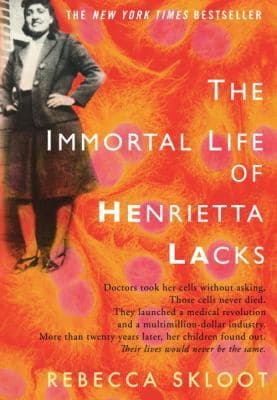
Her name was Henrietta Lacks, but scientists know her as HeLa. She was a poor Southern tobacco farmer who worked the same land as her slave ancestors, yet her cells—taken without her knowledge—became one of the most important tools in medicine.
The book places the monumental scientific impact of HeLa cells alongside the tragic anonymity and exploitation of Henrietta Lacks herself. Her cells, taken without consent in 1951 from a Black woman in a 'colored' ward, became the basis of modern medicine—they helped develop the polio vaccine, understand cancer, and advance gene mapping. Yet, Henrietta died a painful death from cervical cancer, buried in an unmarked grave, while her cellular legacy created a multi-billion dollar industry. This contrast shows readers that scientific pr...
Supporting evidence
The initial biopsy taken from Henrietta's cervix at Johns Hopkins Hospital in 1951, without her knowledge or consent, which subsequently led to the creation of the HeLa cell line. Her family only learned of her cells' existence over 20 years later.
Apply this
When considering medical advancements or participating in research, always question the origin and ethical implications of the materials or data used. Advocate for transparency and informed consent, especially for vulnerable populations, ensuring that the human source behind scientific breakthroughs is acknowledged and treated with dignity, not just their biological contribution.