BookBrief
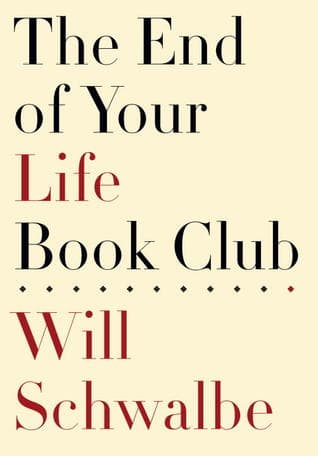
The End of Your Life Book Club cover
Archivist's Choice

The End of Your Life Book Club

Will Schwalbe (2012)

Genre

Biography / Memoir

Reading Time

360 min

Key Themes

See below

Track Your Reading

Sign in to track this book

With his mother facing a terminal illness, a son and his parent create a book club, turning hospital waiting rooms into places for shared stories and final conversations that show the power of literature and family love.

Core Idea

This memoir tells the story of the strong bond between a son and his dying mother, a bond built and strengthened by their shared love of reading. When his mother becomes terminally ill, they start a two-person book club. They use books not just to escape, but as a way to have deep discussions about life, death, family, and what it means to exist. The book suggests that sharing intellectual and emotional experiences, especially through stories, can offer comfort, understanding, and a unique way to connect and handle life's hardest changes.
Reading time
360 min
Difficulty
Easy
✓ Read this if...
You're interested in the power of literature to facilitate difficult conversations, exploring grief and loss in a tender way, or stories about the enduring strength of mother-son relationships.
✗ Skip this if...
You prefer books with a fast-paced plot, are looking for a purely academic analysis of literature, or find stories about terminal illness too emotionally taxing.

Core idea

The central argument and framework that powers the entire book.

This memoir tells the story of the strong bond between a son and his dying mother, a bond built and strengthened by their shared love of reading. When his mother becomes terminally ill, they start a two-person book club. They use books not just to escape, but as a way to have deep discussions about life, death, family, and what it means to exist. The book suggests that sharing intellectual and emotional experiences, especially through stories, can offer comfort, understanding, and a unique way to connect and handle life's hardest changes.

At a glance

Reading time

360 min

Difficulty

Easy

Read this if...

You're interested in the power of literature to facilitate difficult conversations, exploring grief and loss in a tender way, or stories about the enduring strength of mother-son relationships.

Skip this if...

You prefer books with a fast-paced plot, are looking for a purely academic analysis of literature, or find stories about terminal illness too emotionally taxing.

Key Takeaways

1

The Book Club as a Shared Ritual

Creating a sacred space for connection amidst adversity.

Quote

Our book club had only two members. We didn’t have bylaws or a mission statement. We didn’t meet at a set time or place. We just read the same books and talked about them.

The book club between Will and his mother, Mary Anne, is more than a shared hobby; it becomes an important routine, a safe place created from the hard reality of terminal illness. These daily, often spontaneous, discussions about books provide a steady anchor in uncertainty and pain. It shows how simple, shared activities can become deep ways to connect and communicate, especially when normal conversation is hard or emotionally draining. The routine of reading and talking offers a way to express love, fear, and hope indirectly, throug...

Supporting evidence

The informal, evolving nature of their 'book club' — meeting in hospital waiting rooms, during chemotherapy, or at home — highlights its adaptability and importance as a constant in Mary Anne's final months. Their discussions often started with books but quickly veered into deeper life lessons.

Apply this

Identify a simple, shared activity (reading, cooking, walking) that can be turned into a consistent ritual with a loved one. Focus less on the activity itself and more on the dedicated time and space it creates for genuine connection and conversation.

shared-ritualsintergenerational-connectioncoping-mechanisms
2

Books as Life Navigators

Literature offers solace, perspective, and a language for the inexpressible.

Quote

Books don’t just offer an escape; they offer a perspective. They help you understand yourself and the world around you.

For Mary Anne and Will, books are not just entertainment; they are essential tools for dealing with the deep emotional and existential difficulties of terminal illness. Each book, whether a classic like 'A Tree Grows in Brooklyn' or a modern novel, gives a unique way to process grief, fear, and the meaning of life and death. The characters' struggles and successes offer relatable experiences, while the authors' insights provide ways to understand their own situation. This idea stresses the healing power of literature, showing how stor...

Supporting evidence

Their discussions frequently move from plot points to profound personal reflections. For example, reading 'The Kite Runner' sparks conversations about forgiveness, while 'Wild' prompts discussions about resilience and facing the unknown.

Apply this

When facing a personal challenge, seek out books or stories that explore similar themes. Use them not just for distraction, but as a catalyst for reflection and to gain new perspectives on your own situation.

bibliotherapynarrative-therapyexistential-literature
3

The Power of Active Listening

True understanding comes from deep engagement with another's perspective.

Quote

I learned to listen not just to what she said, but to what she didn't say. To the pauses, the inflections, the way she held a book.

The book club format naturally encourages active listening. Will is not just waiting to speak; he is truly trying to understand his mother's interpretations and emotional reactions to the books, which often reveal more about her inner world than direct talk might. This deep involvement goes beyond the actual words exchanged, including her body language, her silences, and the unspoken worries or joys that a certain passage might bring out. This point emphasizes that communication, especially in a crisis, requires deep empathy and the a...

Supporting evidence

Will frequently notes how his mother's reactions to characters or plotlines in books like 'The Diving Bell and the Butterfly' or 'Wonder' offer him profound insights into her own feelings about her illness and her life.

Apply this

Practice 'listening to understand' rather than 'listening to respond.' When a loved one shares, ask clarifying questions, reflect their feelings, and pay attention to non-verbal cues. Try to genuinely inhabit their perspective.

empathetic-communicationnon-verbal-cuesinterpersonal-dynamics
4

Embracing Imperfection and Openness

Life's most profound connections often thrive in vulnerability and authenticity.

Quote

We didn’t always agree on the books. Sometimes we hated them. But that was part of the fun, too. It was about the conversation, not the consensus.

The Schwalbes' book club is not about being intellectually perfect or reaching a shared literary opinion. Instead, it thrives on their individual, often different, reactions to the material. This willingness to disagree, to have different interpretations, and even to dislike a book, creates a space for true honesty. It teaches that real connection does not need perfect agreement but rather a comfortable openness to vulnerability and different viewpoints. This idea highlights the importance of letting go of the need for control or agre...

Supporting evidence

They read a wide array of books, from 'Suite Française' to 'The Girl with the Dragon Tattoo,' and their opinions varied wildly, yet the discussions always deepened their bond. Mary Anne's sometimes blunt assessments were always respected.

Apply this

In relationships, practice accepting differing opinions without needing to 'win' or convert others. Focus on understanding the 'why' behind their perspective, and allow for the richness that diverse viewpoints bring.

vulnerabilityauthenticityconflict-resolution
5

The Legacy of a Life Well-Lived

A life's impact is measured not just in achievements, but in the love shared.

Quote

My mother was a force of nature. She accomplished so much. But in the end, it was the small, shared moments that mattered most.

Mary Anne Schwalbe was a woman who achieved much — a former head of admissions at Radcliffe, a UN official, a refugee worker. Yet, as her life ends, the memoir subtly shifts focus from her public achievements to the deep impact she had through her personal relationships and her steady spirit. The book club becomes a symbol of this legacy, showing that the most lasting inheritance we leave is often not money or job awards, but the quality of our love, our presence, and the simple, shared moments of connection. This idea challenges comm...

Supporting evidence

Will frequently recounts Mary Anne's incredible professional life and humanitarian work, yet the most poignant moments are her interactions with him, her family, and her caregivers, showing her enduring kindness and spirit.

Apply this

Reflect on what kind of legacy you want to leave. Prioritize investing time and energy into relationships and creating meaningful shared experiences, as these often prove to be the most lasting and cherished contributions.

life-legacymeaningful-livinginterpersonal-impact
6

Finding Joy Amidst Sorrow

Even in the shadow of loss, moments of lightness and humor persist.

Quote

Even when things were at their worst, she could still make me laugh. And we could still find joy in a good story.

Despite the sad background of Mary Anne's terminal illness, the book contains moments of unexpected joy, humor, and lightness. Their shared love for stories, even those with difficult themes, provides a channel for laughter and mental stimulation that goes beyond their immediate pain. This idea highlights the resilience of the human spirit and the crucial role that humor and shared pleasures play in dealing with deep sadness. It is a strong reminder that even in the darkest times, actively seeking and embracing moments of joy is not d...

Supporting evidence

Will often describes his mother's sharp wit and their shared laughter over absurd situations or amusing passages in books, such as 'Wild's' account of Cheryl Strayed's misadventures.

Apply this

When experiencing grief or difficulty, consciously seek out and allow for moments of humor, beauty, or simple pleasure. Don't feel guilty about finding joy; it's a necessary component of emotional well-being.

resiliencegrief-copingemotional-wellbeing
7

The Unpredictable Nature of Love

Love manifests in unexpected ways, often deepening through shared experiences.

Quote

I thought I knew my mother. But through these books, I learned things about her, and about myself, that I never expected.

The book club shows that love, especially between a parent and adult child, is not fixed but always changing. Will and Mary Anne's relationship changes through their shared reading, revealing new sides of each other's personalities, fears, and hopes. The structured closeness of discussing books allows for a vulnerability that might have been missing in everyday conversation. This idea emphasizes that even long-standing relationships can deepen and show new layers through shared experiences, especially those that encourage self-reflect...

Supporting evidence

Their discussions about books like 'Cutting for Stone' or 'The Shipping News' often lead to Mary Anne sharing anecdotes from her past or expressing fears and desires she hadn't explicitly articulated before.

Apply this

Actively seek out new shared activities or conversations with long-term loved ones. Be open to learning new things about them and allowing the relationship to evolve, rather than relying solely on past familiarity.

relationship-evolutionparent-child-bondemotional-discovery
8

The Courage to Face the End

Confronting mortality with grace, dignity, and continued engagement with life.

Quote

She wasn't just dying; she was living, right up to the very end. And reading was a part of that living.

Mary Anne's approach to her terminal illness is not one of giving up, but of continued engagement with life. Her dedication to the book club, even as her physical strength weakens, symbolizes her refusal to surrender to her diagnosis. She continues to learn, to discuss, to find meaning, and to connect, showing great courage and dignity. This idea stresses that 'the end' is not just an absence, but a final, active phase of living, where choices about how to spend one's remaining time and energy hold deep importance. It encourages a vie...

Supporting evidence

Despite increasing pain and fatigue, Mary Anne's intellectual curiosity never diminishes. She insists on finishing books, engaging in spirited debates, and even recommending new titles, right up until her final days.

Apply this

Encourage open conversations about end-of-life wishes and values. Support loved ones in pursuing activities that bring them joy and meaning, reinforcing their agency and engagement with life, even in difficult circumstances.

end-of-life-caredignity-in-dyingliving-fully
9

Reading as a Shared Human Experience

Books connect us not only to authors and characters, but deeply to each other.

Quote

A book is a dream that you hold in your hand. But it's also a conversation that you can share with another soul.

The memoir powerfully shows that reading, often seen as a solitary activity, can be a deep cause for human connection. By sharing the same stories, Will and Mary Anne find common ground for understanding, empathy, and conversation. The characters' journeys and authors' insights become a shared language, allowing them to explore complex emotions and ideas that might otherwise remain unspoken. This idea emphasizes the communal aspect of literature, showing how books can bridge generational gaps, encourage closeness, and create strong bo...

Supporting evidence

Their shared experience of reading 'A Tree Grows in Brooklyn' allows Mary Anne to reflect on her own childhood and the resilience of women, creating a deeply personal and shared moment with Will.

Apply this

Start a book club (formal or informal) with friends or family. Choose books that spark discussion and reflection, focusing on the shared experience of interpretation and connection rather than literary criticism.

literary-connectioncommunity-buildingshared-understanding
10

The End is Also a Beginning

Loss can transform us, birthing new perspectives and deeper understanding.

Quote

Losing my mother was the hardest thing I’ve ever done. But it also taught me more about life, about love, and about myself than anything else.

While the book tells of Mary Anne's final journey, it is equally a story of Will's change. The experience of being with his mother through her illness, and their shared book club, permanently changes his view on life, love, and loss. The end of his mother's life marks a beginning for Will – a deeper understanding of himself, the preciousness of time, and the lasting power of human connection. This idea highlights the often-contradictory nature of grief, where deep loss can also be a test for great personal growth and a re-evaluation o...

Supporting evidence

Will's reflections throughout the book, particularly in the later chapters and epilogue, show a clear shift in his priorities and a deeper appreciation for his mother's resilience and wisdom, which he carries forward.

Apply this

After experiencing significant loss or change, dedicate time to reflection. Journal, talk to trusted friends, or engage in creative outlets to process the experience and identify the lessons learned, allowing for personal growth.

grief-and-growthpersonal-transformationpost-traumatic-growth

Critical analysis

Notable Quotes

The greatest gift you can give anyone is your attention.

Will reflects on his mother's advice and how she lived her life.

Reading isn't just a way to pass the time. It's a way to change your life.

Will and his mother discuss the profound impact of books on their lives, especially during her illness.

It’s not the destination, it’s the journey. But sometimes it’s the journey that makes you appreciate the destination.

A reflection on the process of his mother's illness and their shared experiences.

We all need a book club, whether it’s with one person or many, because we all need to talk about what we’re reading, and what we’re living.

Will discusses the universal need for connection and shared experience through literature.

The things that matter most in life are not things.

A realization about priorities as his mother faces the end of her life.

There are books that mark our lives, and books that save them.

Will muses on the varying impact of different books at different stages of life.

When you share a book with someone, you’re not just sharing a story. You’re sharing a part of yourself.

Explaining the intimacy of their book club experience.

The best way to deal with the inevitable is to face it with grace and humor.

Describing his mother's approach to her terminal illness.

You never know how much time you have, so make the most of every moment.

A recurring theme as his mother's health declines.

A good story is a journey, and like any good journey, it changes you.

Will and his mother discuss the transformative power of narrative.

Sometimes the most profound conversations happen when you're not trying to have them.

Reflecting on the natural flow of their discussions about books and life.

The end of your life is not the end of your story.

A comforting thought about legacy and memory as his mother nears her death.

Love is not a finite resource. The more you give, the more you have.

A reflection on his mother's capacity for love and her relationships.

Books are a way to live a thousand lives before you die.

Emphasizing the expansive experience that reading offers.

Quiz

Test Your Knowledge

Ready to see how well you understood this book? Take our interactive quiz with 10 questions.

10
Questions
~5
Minutes
?
Best Score

Key Questions (FAQ)

'The End of Your Life Book Club' is a memoir by Will Schwalbe, recounting the unique book club he formed with his mother, Mary Anne Schwalbe, during the final months of her life as she underwent chemotherapy. Through their shared reading and discussions, they deepen their bond and explore life, literature, and their relationship.

About the author