“If God does not exist, everything is permitted.”
— Ivan Karamazov discussing morality and the consequences of atheism.


Fyodor Dostoyevsky (2019)
Genre
Spirituality / Philosophy
Reading Time
1378 min
Key Themes
See below
Sign in to track this book
In a provincial Russian town, the murder of a depraved patriarch ignites a spiritual and philosophical battle among his three sons—the intellectual, the sensualist, and the devout novice—each grappling with faith, free will, and the burden of parricide.
“If God does not exist, everything is permitted.”
— Ivan Karamazov discussing morality and the consequences of atheism.
“Love all God's creation, the whole and every grain of sand in it. Love every leaf, every ray of God's light.”
— Father Zosima's teachings on universal love and compassion.
“The awful thing is that beauty is mysterious as well as terrible. God and the devil are fighting there and the battlefield is the heart of man.”
— Dmitri Karamazov reflecting on the duality of human nature and beauty.
“Above all, don't lie to yourself. The man who lies to himself and listens to his own lie comes to a point that he cannot distinguish the truth within him, or around him.”
— Father Zosima advising on the importance of self-honesty.
“What is hell? I maintain that it is the suffering of being unable to love.”
— Father Zosima describing his view of spiritual torment.
“It's not the world that needs mending, but man.”
— Alyosha Karamazov expressing a core theme of personal transformation.
“I think the devil doesn't exist, but man has created him, he has created him in his own image and likeness.”
— Ivan Karamazov in a philosophical debate about evil.
“To be in love is not the same as loving. You can be in love with a woman and still hate her.”
— Dmitri Karamazov discussing the complexities of love and passion.
“The mystery of human existence lies not in just staying alive, but in finding something to live for.”
— Alyosha Karamazov reflecting on purpose and meaning.
“Men reject their prophets and slay them, but they love their martyrs and honor those whom they have slain.”
— Ivan Karamazov commenting on human hypocrisy and suffering.
“The more I love humanity in general, the less I love man in particular.”
— Ivan Karamazov expressing his struggle with abstract versus concrete love.
“Happiness does not lie in happiness, but in the achievement of it.”
— Alyosha Karamazov discussing the nature of fulfillment.
“It is not as a child that I believe and confess Jesus Christ. My hosanna is born of a furnace of doubt.”
— Ivan Karamazov revealing his conflicted faith.
“One can fall in love and still hate.”
— Dmitri Karamazov on the paradoxes of human emotions.
“The world says: 'You have needs—satisfy them. You have as much right as the rich and the mighty. Don't hesitate to satisfy your needs; indeed, expand your needs and demand more.' This is the worldly doctrine of today.”
— Father Zosima criticizing materialism and modern values.
Ready to see how well you understood this book? Take our interactive quiz with 10 questions.

Fyodor Mikhailovich Dostoevsky, sometimes transliterated as Dostoyevsky, was a Russian novelist, short story writer, essayist and journalist. Numerous literary critics regard him as one of the greatest novelists in all of world literature, as many of his works are considered highly influential masterpieces.
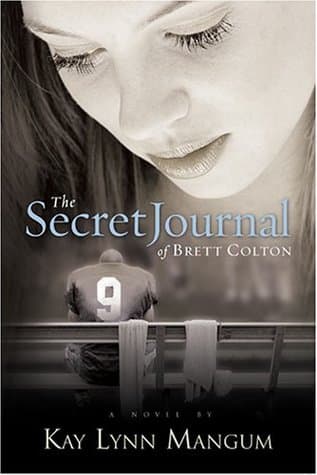
Kay Lynn Mangum
4.3
Stormie Omartian
4.3
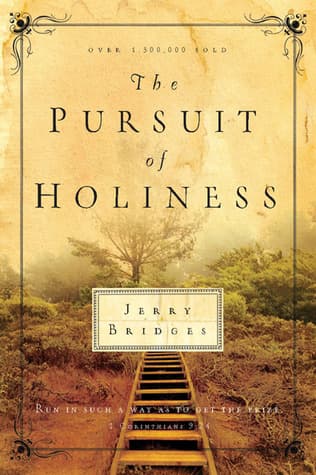
Jerry Bridges
4.3
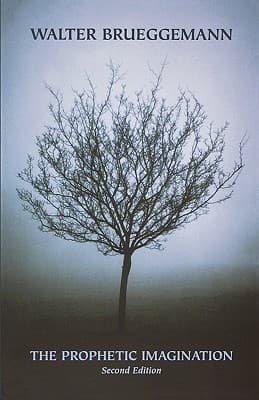
Walter Brueggemann
4.3

Rhonda Byrne
4.3
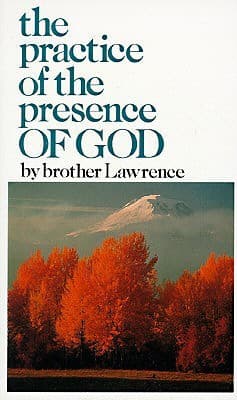
Brother Lawrence
4.3

Joseph Campbell
4.3

Unknown
4.3