Divine Judgment & Hope
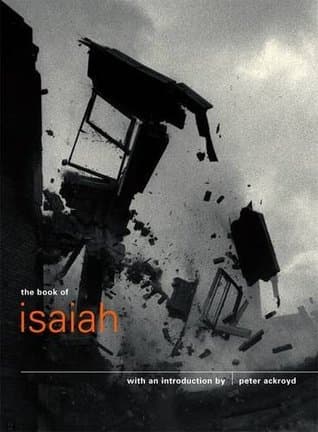
Isaiah weaves a complex tapestry of impending doom and ultimate restoration.
Quote
Though your sins are like scarlet, they shall be as white as snow; though they are red like crimson, they shall become like wool.
The Book of Isaiah balances the reality of divine judgment against the persistent promise of hope and redemption. It is a theological meditation on the consequences of Israel's unfaithfulness and the unwavering character of God. The prophet depicts the destruction that will befall Judah and Jerusalem due to their idolatry, social injustice, and reliance on foreign alliances rather than on God. However, this stern warning is never the final word. Interspersed throughout are declarations of future restoration, a new covenant, and a time...
Supporting evidence
The initial chapters (e.g., Isaiah 1-5) detail the corruption and impending destruction of Judah and Jerusalem, contrasting sharply with later chapters (e.g., Isaiah 40-66) that speak of comfort, restoration, and the return from exile.
Apply this
Reflect on areas in your own life where past mistakes or current struggles might be seen not as an end, but as a painful yet necessary prelude to growth, repentance, and a deeper experience of grace. Embrace the tension between acknowledging failings and holding onto hope for renewal.