The Apollonian and Dionysian Duality
Art as the interplay of order and chaos.
Quote
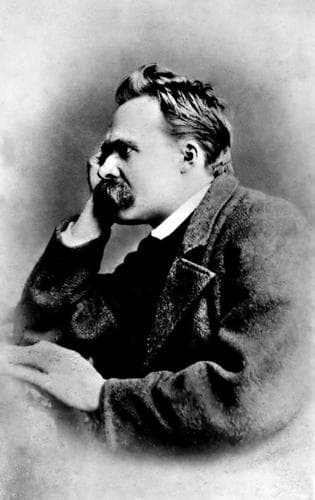
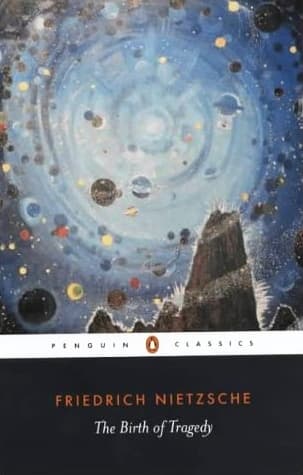
These two different tendencies, the Apollonian and the Dionysian, run parallel to each other, for the most part openly at variance, and continually inciting one another to new and more powerful births, until they are finally united, by a metaphysical act of the Hellenic 'will,' in Attic tragedy.
Nietzsche introduces the Apollonian and Dionysian as two basic artistic drives. The Apollonian represents order, individuality, beauty, reason, and form, seen in visual arts like sculpture and painting, and in dreams. It provides structure and calm. The Dionysian embodies primal, chaotic, ecstatic forces of nature, expressed through music, dance, and intoxication. It represents the self dissolving into a collective, primordial unity, a confrontation with existence's raw, terrifying truth. Nietzsche argues that true art, especially Gre...
Supporting evidence
Nietzsche uses the Greek deities Apollo and Dionysus as personifications. Apollo, the god of light, reason, and prophecy, embodies the Apollonian. Dionysus, the god of wine, revelry, and ecstasy, embodies the Dionysian. He traces these forces through Greek art, from Homeric epic (Apollonian) to the ecstatic choruses (Dionysian).
Apply this
Recognize the interplay of structure and spontaneity in creative endeavors. Embrace both disciplined craft (Apollonian) and uninhibited expression (Dionysian) to achieve profound artistic or personal breakthroughs. Don't shy away from chaos; seek to integrate it into a meaningful form.