The Power of Posthumous Honesty
Unfiltered truth emerges when the author is unbound by contemporary judgment.
Quote
I can speak of these things more freely because I am not alive to be hurt by them.
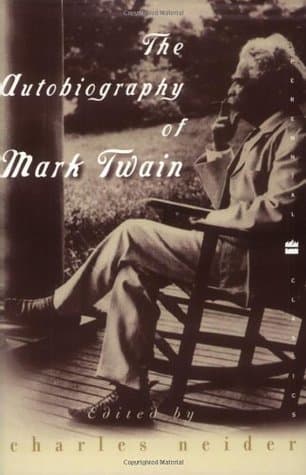
Twain's decision to publish his autobiography after his death was brilliant. It allowed him to express opinions, criticisms, and personal reflections without fear of immediate social or professional consequences. This freedom let him be remarkably candid about his contemporaries, his own failures, and the often-unvarnished truths of human nature. This approach gives the reader an intimate and often surprising look into the mind of a literary giant, free from the need to maintain a public image. It shows that true self-reflection often...
Supporting evidence
Twain explicitly states his intention to be 'free and frank and unembarrassed' by having the work published after his death, allowing him to critique figures like President Theodore Roosevelt or express his changing views on religion without immediate backlash.
Apply this
Consider how removing the pressure of immediate judgment might alter your own journaling or reflective writing. Practice writing about sensitive topics as if no one will read them for a century, allowing for greater honesty and depth.