“The human heart is a chaotic mess, but it's a beautiful one.”
— Beatrix reflecting on the complexity of human emotion and anatomy.

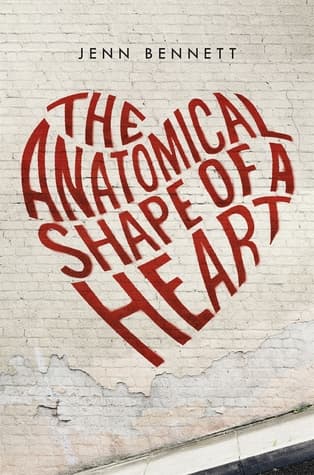
Jenn Bennett (2015)
Genre
Creativity / Young Adult / Romance
Reading Time
360 min
Key Themes
See below
Sign in to track this book
An aspiring anatomist, seeking cadavers for artistic inspiration, falls for a graffiti artist, forcing her to choose between her studies and his dangerous life.
Beatrix 'Bix' Adams, an aspiring anatomical artist, plans to spend her summer drawing cadavers for a museum scholarship. She tries to get into the Willed Body program at a hospital but is too young. Frustrated, she misses her train home and is stranded. While waiting for a bus, she meets Jack, a charming young man. He offers her a ride on his scooter, and Beatrix accepts. This meeting changes her summer plans and leads her down a new path.
Beatrix learns that Jack is a talented graffiti artist known as 'Anatomy.' He takes her on a midnight adventure, showing her his murals on San Francisco's rooftops and hidden alleys. Beatrix is drawn to his art and the emotion in it. During these outings, they start to open up. Jack hints at a troubled past and sadness, while Beatrix shares her passion for anatomical art and the pressure she feels to succeed, especially given her family's art history and her father's absence. Their connection grows as they share these personal details.
Beatrix continues to struggle with her family's past, particularly her artist mother, who died young, and her estranged father, a well-known but controversial artist. Her grandmother, a former art professor, constantly pushes Beatrix toward the scholarship and reminds her of her artistic heritage. Beatrix feels immense pressure to win the museum scholarship, believing it is her only way to a successful art career and a way to honor her mother. She also secretly visits her father's studio, grappling with her mixed feelings about him and his work.
As Beatrix and Jack spend more time together, Beatrix notices Jack's physical and emotional scars. She learns he was in a devastating accident years ago, which killed his younger sister. This tragedy left him with guilt, PTSD, and a fear of driving. His graffiti art, especially his 'Anatomy' tag, helps him process his grief and express his pain. Beatrix's understanding of his trauma strengthens their bond, as she sees the vulnerable person beneath his charming exterior.
Jack eventually tells Beatrix a secret: he is the son of her estranged father's former studio assistant, a man who was deeply involved in her father's life and art. Jack's family was also affected by her father's actions. This news makes Beatrix feel betrayed and confused, believing Jack deliberately hid information that connects him to her family's painful past. Their trust is broken, straining their new relationship.
Despite her emotional upset over Jack's confession and questions about her father, Beatrix focuses on her scholarship application. She continues to develop her anatomical art, finding comfort and expression in her detailed drawings. The competition requires a portfolio and a final piece, pushing her artistic limits. Her grandmother remains a demanding critic, reminding Beatrix of the high stakes. Beatrix feels the weight of her family's artistic legacy and her own goals, seeing the scholarship as more than just a prize, but a validation of her identity as an artist.
Driven by the need for answers, Beatrix finally confronts her estranged father. During their difficult talk, she learns more about his complex relationship with Jack's family and the reasons for their estrangement. Her father reveals his own struggles and regrets, offering a more complete view of the past. This conversation, though painful, helps Beatrix understand her family's history and the burden of their secrets. It also allows her to start processing her resentment and confusion toward him.
Beatrix channels her emotional upset into her art. She begins to add personal elements to her anatomical drawings, using them to explore grief, trauma, and connection. Her art becomes a reflection of her inner world, helping her process her feelings about Jack, her father, and her family's past. This artistic exploration is not just for the scholarship; it is a personal journey of self-discovery and healing, showing her growth as an artist and an individual.
After a period apart, Beatrix and Jack slowly start to reconnect. They have difficult conversations, where Jack further explains his past and why he kept information secret. Beatrix, having faced her own family's secrets, is more open to understanding his view. They both acknowledge the pain their intertwined histories caused but also recognize their strong bond. This reconciliation is not easy, but it is a step toward forgiveness and a possible future together, built on honesty and mutual understanding.
Beatrix presents her final art piece for the scholarship, a work that shows her personal journey and artistic growth. Regardless of the scholarship outcome, she has found her unique artistic voice, blending her passion for anatomy with her emotional experiences. She and Jack decide to face the future together, knowing their relationship will require continued effort and honesty. Beatrix accepts the complexities of her family, her art, and her love for Jack, starting her senior year with a new sense of self and hope for her artistic and personal path.
The Protagonist
Beatrix transforms from a driven but emotionally guarded artist into a more self-aware individual who integrates her personal experiences into her art, finding her unique voice and learning to forgive.
The Love Interest / Supporting
Jack moves from a reclusive, guilt-ridden individual to someone who begins to confront his past and accept love and forgiveness, finding a path towards healing.
The Supporting
Her arc is subtle, primarily serving as a catalyst for Beatrix's growth, eventually accepting Beatrix's evolving artistic path.
The Supporting / Mentioned
He begins as a distant, enigmatic figure and slowly reveals his humanity and regrets through his interactions with Beatrix.
The novel explores how art helps process grief, trauma, and identity. Beatrix uses her anatomical drawings to understand life's complexities and her emotional state. Jack's graffiti, 'Anatomy,' is his way of expressing the pain of his sister's death and his PTSD. Both characters find comfort and a voice through their art, allowing them to confront their pasts and envision a future. Beatrix's final scholarship piece, for example, shows her journey from observation to a personal interpretation of the human condition.
““Art wasn’t just about seeing. It was about feeling, about letting the world bleed into you.””
The story examines the impact of family secrets and legacies on individual lives. Beatrix is affected by the artistic legacy of her deceased mother and estranged, controversial father, feeling pressure to meet their standards while also dealing with their hidden pasts. Jack is also affected by a secret connecting his family to Beatrix's father, which leads to his guardedness and pain. Uncovering these secrets, especially the truth about Beatrix's father and Jack's family, is important for both characters to grow and accept their identities.
““Skeletons in closets weren’t just for Halloween. They were for every day, rattling around inside you, reminding you of what you couldn’t change.””
A main theme is overcoming deep trauma and guilt. Jack's story is defined by his struggle with PTSD and guilt from his sister's accidental death. His fear of driving and his reclusiveness show this trauma. Beatrix, while not having the same direct trauma, carries the emotional weight of her mother's early death and her father's absence. The novel shows the slow process of facing these wounds, seeking forgiveness, and finding healthy ways to cope, largely through art and supportive relationships. Their shared vulnerabilities help them begin to heal.
““Some scars were on the inside, deeper than any knife could cut.””
The romance between Beatrix and Jack explores the complexities of love, trust, and building a relationship amid personal issues. Their initial connection is based on attraction and shared artistic interests, but Jack's dishonesty about his past and his connection to Beatrix's family tests their relationship. The story emphasizes that true love requires vulnerability, honesty, and facing difficult truths. Their journey shows that trust, once broken, is hard to rebuild but necessary for a lasting connection.
““Trust was a fragile thing, easily shattered, hard to put back together.””
A goal-driven external conflict that propels Beatrix's actions and character development.
This contest serves as Beatrix's primary external motivation, pushing her to excel in her anatomical art. It provides a tangible goal that structures her summer plans and forces her to confront her artistic identity. It also acts as a symbol of her desire for validation and her attempt to honor her mother's legacy. The pressure of the scholarship competition often mirrors her internal emotional struggles, making the artistic process a crucible for her personal growth.
A symbolic artistic expression that reveals Jack's hidden trauma and connects him to Beatrix.
Jack's graffiti tag, 'Anatomy,' is more than just street art; it's a profound symbol of his internal world. It directly references the anatomical drawings Beatrix loves, creating an immediate, almost fated, connection between them. More importantly, it represents Jack's attempt to dissect and understand his own emotional pain and trauma, particularly related to his sister's death. The clandestine nature of his art also highlights his secretive and guarded personality, which Beatrix slowly unravels.
A physical setting that represents family secrets, estranged relationships, and artistic legacy.
The studio of Beatrix's estranged father is a pivotal, symbolic location. It's a place she secretly visits, filled with his controversial art, representing the complex and often painful legacy she inherits. It's where she confronts her feelings about her father and begins to uncover the deeper truths about her family's past. The studio embodies the blend of artistic genius and personal turmoil that defines her family, serving as a physical manifestation of the 'skeletons in the closet' theme.
An initial objective that symbolizes Beatrix's quest for understanding life, death, and her artistic purpose.
Beatrix's initial, thwarted attempt to access cadavers for her art is more than just a plot point; it's symbolic of her desire to delve beneath the surface, to understand the intricate workings of life and death, both literally and figuratively. While she doesn't immediately succeed, the pursuit of this objective sets her on a path that ultimately leads her to a deeper, more personal understanding of human anatomy – not just physical, but emotional and psychological – through her relationship with Jack and her own family history.
“The human heart is a chaotic mess, but it's a beautiful one.”
— Beatrix reflecting on the complexity of human emotion and anatomy.
“Art isn't about perfection. It's about capturing the imperfection.”
— Leo discussing his artistic philosophy with Beatrix.
“Sometimes the most beautiful things are the ones you have to dig for.”
— Beatrix considering her passion for studying cadavers.
“You can't really know someone until you see them at their most vulnerable.”
— Beatrix observing Leo's emotional honesty.
“Being brave isn't about not being scared. It's about doing it anyway.”
— Beatrix facing her fears about dissection.
“Every person is a walking, talking library of stories.”
— Leo's perspective on the richness of individual lives.
“Love isn't a straight line. It's a messy, beautiful scribble.”
— Beatrix's internal monologue about her developing feelings.
“The greatest discoveries often come from unexpected places.”
— Beatrix finding inspiration outside her academic pursuits.
“It's okay to not have all the answers. The fun is in the looking.”
— Leo encouraging Beatrix to embrace uncertainty.
“Sometimes the only way to heal a broken heart is to let someone else in.”
— Beatrix considering opening up to Leo after past hurts.
“Creativity isn't just about making things; it's about seeing things differently.”
— Beatrix realizing the artistic nature of anatomy.
“The heart has its reasons, which reason knows nothing of.”
— A classic quote mentioned by Beatrix, connecting to her studies and personal life.
“You can't dissect a feeling, but you can certainly feel its impact.”
— Beatrix acknowledging the intangible nature of emotions despite her scientific background.
“We're all just trying to figure out where we fit in the grand scheme of things.”
— Beatrix's reflection on universal human experience.
Ready to see how well you understood this book? Take our interactive quiz with 10 questions.