“Maybe it was good for me to put myself out there, even if it meant risking a little embarrassment. Maybe that was how you truly learned to live, by trying things even when you were scared.”
— After a mortifying public speaking incident at school.

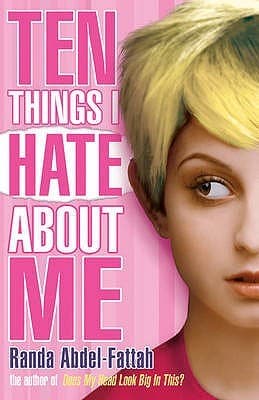
Randa Abdel-Fattah (2006)
Genre
Spirituality / Young Adult / Romance
Reading Time
320 min
Key Themes
See below
Sign in to track this book
Torn between her desire for an 'Aussie-blonde' life and the traditions of her Muslim family, teenager Jamie navigates a double life, trying to fit in while secretly wanting to embrace her true self and her forbidden darabuka.
Jamilah, who uses Jamie at school, lives a carefully planned double life. To her school friends, especially the popular group led by Claire and her best friend Kat, she is a normal, fun Australian teenager. But at home, she is Jamilah, the oldest daughter of conservative Palestinian Muslim parents. She must follow religious and cultural traditions, which often conflict with her Western upbringing. Her father, Baba, is very strict, forbidding her from mixed-gender social events or having male friends. Jamie constantly feels pressure to keep this act, fearing rejection from her friends if they found out about her 'other' life, especially her love for playing the darabuka, an Arabic drum, which she practices in secret.
Overwhelmed by her conflicting identities and constant lies, Jamie starts a private list called 'Ten Things I Hate About Me.' This list becomes a place where she writes her deepest insecurities and self-criticisms, many of which come from her inability to blend her two worlds. She hates her dishonesty, her fear of not standing up to her father, and her shame about her cultural background. This writing helps her inner struggle, pushing her to question the truth of her relationships and her own self-worth. She feels guilty about constantly lying to her friends and herself.
Jamie meets Peter, a charming and kind boy, through mutual friends. She is immediately drawn to him, and they start spending time together, though secretly. Each meeting with Peter requires detailed lies and avoidance to keep him from learning about her Muslim identity and her strict home life. This growing romance increases her inner conflict; she desperately wants to be open with Peter but fears his reaction, believing he would not understand or accept her. The lies become more complex and stressful, making her feel more isolated and dishonest, especially as her feelings for Peter grow.
The upcoming school formal creates a big problem for Jamie. Going with Peter would be a dream, but it's impossible under her father's rules. She makes up excuses to her friends about why she can't go, further distancing herself. The pressure grows as her friends, especially Kat, become suspicious of her inconsistent behavior and secret phone calls. Jamie feels caught between disappointing Peter and her friends, and directly defying her father, which she knows would lead to serious problems at home. This event shows the seemingly impossible barrier between her two lives.
Kat, Jamie's best friend, becomes increasingly frustrated and suspicious of Jamie's avoidance and constant excuses. She confronts Jamie, asking why she's been so secretive and why she can't go to the formal. Jamie's inability to be honest with Kat creates a big break in their friendship. Kat feels hurt and betrayed by Jamie's lack of trust, while Jamie feels misunderstood and trapped. This confrontation makes Jamie realize the cost of her double life, as her closest friendship starts to fall apart under the weight of her lies and hidden identity, making her feel even more alone.
Despite trying to distance herself from her Muslim identity, Jamie finds herself drawn to the mosque, especially during Ramadan. She starts attending prayers and community events more regularly, not out of duty, but from a growing sense of curiosity and belonging. She meets other young Muslim women who openly embrace both their faith and their modern Australian lives, challenging her old ideas. This exposure helps her see her culture not as a burden, but as a source of strength and community, offering a different view of her inner conflict and prompting self-reflection.
Jamie's secret love for playing the darabuka, which she practices in the garage, becomes a key part of her journey. She initially hides it, fearing it's 'too Muslim' for her school friends, but eventually, she performs it for her family during a small gathering. This act of cultural expression, initially a source of shame, becomes a powerful moment of self-acceptance. The joy and connection she feels while playing help her realize that her cultural identity is a beautiful and important part of who she is, not something to hide or dislike. It's a small step towards bringing her two worlds together.
Troubled by guilt and wanting to be honest, Jamie finally decides to tell Peter about her Muslim background and her family's strict rules. This is a terrifying moment for her, as she fears his rejection and judgment. Peter's reaction is first surprise and confusion, but he listens. While he struggles to fully understand her world, he expresses admiration for her honesty and a willingness to try and bridge the gap. This revelation is a crucial step for Jamie in accepting her true self, even if it means possibly losing someone she cares about.
After her confession to Peter, Jamie finds the courage to apologize to Kat and explain why she was secretive. Kat, though still hurt, is understanding and supportive, and their friendship begins to heal. At the same time, Jamie starts to talk more openly with her parents, especially her mother, about her struggles and desires. While her father remains resistant to some of her modern aspirations, her mother becomes a more understanding confidante, helping Jamie navigate the cultural divide. This is a turning point towards more honesty and understanding in her relationships.
By the end of the novel, Jamie has made progress in accepting and combining her dual identities. She no longer sees 'Jamie' and 'Jamilah' as two separate, conflicting people, but as different parts of her true self. She learns to appreciate her Muslim heritage and finds ways to balance it with her desire for a modern Australian life. While challenges with her father remain, she has found her voice and the courage to speak for herself. The 'Ten Things I Hate About Me' list becomes a list of things she loves about herself, showing her journey of self-acceptance and growth.
The Protagonist
Jamie transforms from a deceptive and self-loathing teenager into a more authentic, self-accepting young woman who embraces her full cultural and personal identity.
The Supporting/Antagonist
While remaining largely steadfast in his beliefs, Baba begins to understand, albeit slowly, the challenges his daughters face, though his change is more subtle than Jamie's.
The Supporting
Mama evolves from a passive enforcer of tradition to a more active, empathetic supporter of Jamie's need for authenticity.
The Supporting
Kat's friendship with Jamie is tested by Jamie's secrecy, but ultimately, she proves her loyalty by being understanding and forgiving.
The Supporting
Peter remains consistently supportive, providing a safe space for Jamie to eventually be honest and authentic.
The Supporting
Claire's role is largely static, serving as a representation of the social pressures Jamie feels.
The Supporting
Layla's arc is less central but she subtly influences Jamie's journey by providing an alternative perspective on their shared culture.
The Mentioned/Supporting
Mrs. Hamoud's role is primarily to offer guidance and a positive representation of Muslim identity.
The main theme is Jamie's struggle to balance her identities as a modern Australian teenager and a Palestinian Muslim. She often feels she doesn't fully belong to either world, leading to inner conflict and self-hatred. The novel explores the pressure to conform, the pain of cultural shame, and the journey to self-acceptance. Jamie's 'Ten Things I Hate About Me' list directly shows her inability to find a clear sense of self. Her eventual embrace of both 'Jamie' and 'Jamilah' means she finds belonging within herself, not just in outside groups.
“I should win an Oscar for my acting skills. But I can't keep it up for much longer...”
Jamie's double life is built on lies and omissions, driven by her fear of rejection and her desire to protect her two separate worlds. This theme explores the emotional cost of being inauthentic, as Jamie becomes more isolated and guilty. Her relationships with Kat and Peter suffer because she cannot be honest. The novel shows how deception, even with good intentions, harms both the deceiver and those around them. Her journey is about shedding these lies to embrace her true, multifaceted self, leading to more genuine connections.
“It was like I had two souls, two identities, and neither of them felt entirely mine.”
The novel examines the effect of conservative cultural and religious expectations on a young person growing up in a Western society. Jamie's father, Baba, represents these strict rules, creating a major source of conflict and fear for her. The theme explores the tension between family duty and personal desires, and the challenges of communication between generations and cultures within a family. While Jamie initially resists her family's traditions, she eventually learns to appreciate parts of her heritage, seeking a balance rather than full rejection, and finding ways to tell her more understanding mother what she needs.
“How can I tell Peter that my father would never let me go to a formal, let alone with a boy?”
At its heart, the book is a journey of self-acceptance. Jamie's initial dislike for parts of herself, listed in her notes, slowly changes into an understanding and appreciation of her unique identity. Her secret love for the darabuka, first a source of shame, becomes a symbol of her cultural pride and a way to express herself. By facing her fears, telling Peter and Kat the truth, and engaging more with her Muslim community, Jamie gains a sense of empowerment. She learns that true belonging comes from accepting all parts of who she is, rather than trying to fit into a mold.
“Maybe being Jamilah wasn't a prison, but a part of who I was meant to be.”
A personal journal that serves as a confessional and a measure of character development.
This list is a central plot device, acting as an internal monologue and a barometer for Jamie's emotional state. Initially, it's a repository for her self-loathing and the aspects of her life she wishes to hide or change. As the story progresses, the list evolves, reflecting her growing self-awareness and eventual self-acceptance. It provides direct insight into her deepest insecurities and the internal conflict she experiences, allowing the reader to track her psychological journey from shame to empowerment. The very act of writing it is a form of therapeutic self-reflection.
The protagonist maintains two distinct personalities to navigate conflicting cultural worlds.
Jamie's 'Jamie' persona for school and 'Jamilah' persona for home is a key plot device that drives the central conflict. This duality creates constant tension, requiring elaborate lies and evasions that complicate her relationships and fuel her internal struggle. It highlights the cultural clash and the pressure to conform in different environments. The device allows the author to explore themes of authenticity, belonging, and the challenges faced by young people from immigrant backgrounds, as Jamie attempts to keep these two worlds strictly separate until they inevitably collide.
A cultural symbol that evolves from a source of shame to a tool for self-expression and pride.
Initially, Jamie's secret passion for playing the darabuka is something she hides, fearing it's 'too Muslim' and would expose her 'other' life to her school friends. It represents her hidden cultural heritage and her personal desires that clash with her Westernized image. As the story progresses, her willingness to play it, first for her family and then more openly, signifies her growing acceptance and pride in her identity. It becomes a powerful symbol of self-expression and cultural integration, marking a turning point in her journey towards authenticity.
A common social event that acts as a major catalyst for conflict and decision-making.
The school formal serves as a significant plot device, pushing Jamie's internal and external conflicts to a head. It represents a quintessential 'Western' teenage experience that is strictly forbidden by her father. Her inability to attend with Peter, and the elaborate lies she tells to her friends, expose the fragility of her double life. The formal forces Jamie to confront the limitations imposed by her cultural background and the painful consequences of her deception, ultimately prompting her to make difficult choices about her relationships and identity.
“Maybe it was good for me to put myself out there, even if it meant risking a little embarrassment. Maybe that was how you truly learned to live, by trying things even when you were scared.”
— After a mortifying public speaking incident at school.
“The hardest part about being a teenager isn't the hormones or the homework; it's figuring out who you are when everyone else is trying to tell you who you should be.”
— Laya reflects on the pressures of identity during adolescence.
“Sometimes I felt like I was living two separate lives: the one everyone saw, and the one I kept hidden inside my head.”
— Laya contemplates her inner thoughts versus her outward persona.
“It’s funny how a single conversation can shift the entire landscape of your day, or even your week. A few words can change everything.”
— After a significant interaction with a new friend or love interest.
“You can't choose your family, but you can choose how you react to them. And sometimes, that's enough to make a difference.”
— Laya dealing with family dynamics and expectations.
“I was learning that sometimes the things you thought you hated most about yourself were the very things that made you unique, and even lovable.”
— A turning point in Laya's self-acceptance journey.
“Faith isn't about having all the answers. It's about trusting that even when you don't understand, there's a bigger plan.”
— Laya grappling with spiritual questions and doubts.
“Maybe the secret to happiness wasn't finding someone to complete you, but learning to be complete on your own.”
— Laya's thoughts on relationships and self-reliance.
“The world is full of people who will try to put you in a box. Don't let them.”
— A piece of advice Laya receives or gives herself.
“Sometimes the bravest thing you can do is admit you're wrong, or that you don't know something.”
— Laya reflects on humility and honesty.
“It's not about being perfect, it's about being real. And real is always more beautiful.”
— Laya's growing understanding of true beauty and authenticity.
“Love isn't just a feeling; it's a choice you make every single day, to be patient, to be kind, to forgive.”
— Laya's evolving understanding of love in various relationships.
“I was starting to realize that the 'ten things I hate about me' list was just a starting point. The real work was finding the ten, or twenty, or a hundred things I loved.”
— A pivotal moment in Laya's journey of self-acceptance and appreciation.
Ready to see how well you understood this book? Take our interactive quiz with 10 questions.

Biography coming soon.
Kay Lynn Mangum
4.3
Stormie Omartian
4.3
Jerry Bridges
4.3
Walter Brueggemann
4.3
Rhonda Byrne
4.3
Brother Lawrence
4.3
Joseph Campbell
4.3
Unknown
4.3