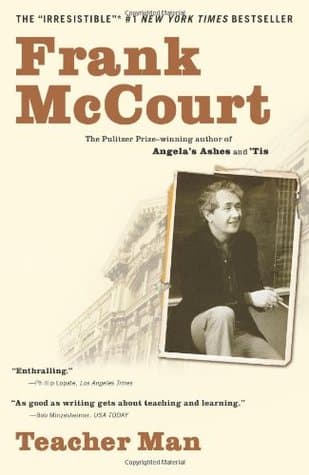
The Classroom as Crucible
Teaching's transformative power on the teacher, not just the taught.
Quote
I was a teacher, but I was also a student of my students, learning how to tell a story, how to hold an audience, how to make them laugh and cry.
McCourt's memoir shows that teaching is a two-way street. While he aimed to educate his students, the classroom taught him the most. For three decades, he improved his storytelling, empathy, and ability to connect with different people—skills he later used in his writing career. His daily struggle to engage adolescents, manage their chaos, and inspire their creativity helped him develop his unique voice and perspective. This shows that the most meaningful education often comes from unexpected places, shaping the educator as much as th...
Supporting evidence
McCourt's constant experimentation with unconventional assignments, like asking students to write an 'Excuse Note from Adam or Eve to God,' directly reflects his efforts to find his own voice and develop compelling narratives that would later define his writing style. His daily need to capture and hold the attention of 'unruly, hormonally charged or indifferent adolescents' was a constant workshop for his future literary career.
Apply this
Embrace challenges in your professional life as opportunities for personal growth and skill development. View every interaction, especially difficult ones, as a chance to refine your communication, empathy, and problem-solving abilities. Recognize that the 'struggle' is often the most fertile ground for unexpected personal and professional transformation.