BookBrief
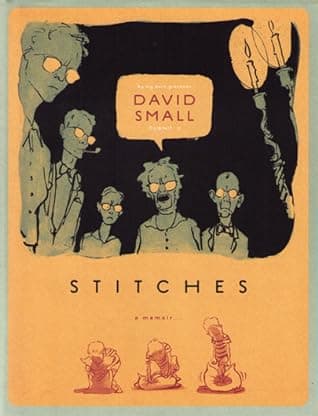
Stitches cover
Archivist's Choice

Stitches

David Small (2009)

Genre

Biography / Memoir

Reading Time

180-240 min

Key Themes

See below

Track Your Reading

Sign in to track this book

David Small's graphic memoir tells of his silent, Kafkaesque childhood, marked by a botched surgery that left him voiceless and a family full of dark secrets and misguided parental 'care'.

Core Idea

David Small's "Stitches" is a graphic memoir that shows the devastating effects of a childhood spent in silence, dealing with medical malpractice, and carrying the weight of unfulfilled parental ambitions. It argues that a lack of communication and parents projecting their desires onto a child can cause deep physical and psychological trauma. Ultimately, a child must find themselves and express themselves artistically to take back their voice and identity from a story of victimhood and illness.
Reading time
180-240 min
Difficulty
Medium
✓ Read this if...
You are interested in graphic memoirs that tackle difficult childhood experiences, medical trauma, and the power of art for healing and self-expression. You appreciate visual storytelling that adds depth to a biographical narrative.
✗ Skip this if...
You are uncomfortable with themes of childhood illness, parental neglect, or medical procedures, or prefer memoirs that are purely text-based without visual elements.

Core idea

The central argument and framework that powers the entire book.

David Small's "Stitches" is a graphic memoir that shows the devastating effects of a childhood spent in silence, dealing with medical malpractice, and carrying the weight of unfulfilled parental ambitions. It argues that a lack of communication and parents projecting their desires onto a child can cause deep physical and psychological trauma. Ultimately, a child must find themselves and express themselves artistically to take back their voice and identity from a story of victimhood and illness.

At a glance

Reading time

180-240 min

Difficulty

Medium

Read this if...

You are interested in graphic memoirs that tackle difficult childhood experiences, medical trauma, and the power of art for healing and self-expression. You appreciate visual storytelling that adds depth to a biographical narrative.

Skip this if...

You are uncomfortable with themes of childhood illness, parental neglect, or medical procedures, or prefer memoirs that are purely text-based without visual elements.

Key Takeaways

1

The Tyranny of Silence

Unexpressed emotions fester, creating a toxic environment that stunts personal growth and communication.

Quote

The Small household operated under a cone of silence where emotions, especially her own, were hidden.

David Small's memoir clearly shows how damaging emotional repression in a family can be. His mother, Elizabeth, enforced a strict 'cone of silence,' where feelings, especially difficult ones, were never discussed. This created deep isolation and misunderstanding. Children in such homes often learn to suppress their own emotions, leading to anxiety, confusion, and an inability to process trauma. A lack of open communication stops healing and continues cycles of dysfunction. Small's story suggests this emotional vacuum largely contribut...

Supporting evidence

The overall atmosphere of the Small household, where Elizabeth's 'tyrannically stingy and excessively scolding' nature was met with silence and hidden emotions, particularly hers.

Apply this

Actively foster open communication in your relationships. Encourage the expression of all emotions, positive and negative, and create a safe space for dialogue. Regularly check in with loved ones about their feelings and practice active listening without judgment.
emotional-repressionfamily-dysfunctioncommunication-barriers
2

Medical Misinformation & Betrayal

Blind trust in authority, especially medical, can have catastrophic and life-altering consequences when information is withheld.

Quote

The fourteen-year-old boy had not been told that he had cancer and was expected to die.

One of the most shocking parts of 'Stitches' is the medical betrayal David experienced. His parents, especially his doctor father, hid the truth about his cancer diagnosis and the seriousness of his condition. The 'harmless operation' that removed a vocal cord and scarred his throat was a terrible shock to a boy kept completely in the dark. This omission, whether from misguided protection or fear, destroyed David's trust and his control over his own body and future. It highlights how important informed consent is, especially for minor...

Supporting evidence

David waking up after surgery to discover he was a virtual mute, his throat slashed and stitched, without ever being told he had cancer or the true nature of his operation.

Apply this

Always seek second opinions for significant medical procedures. Advocate for yourself or your children by asking direct questions and demanding clear, comprehensive explanations of diagnoses, treatments, and potential outcomes. Never hesitate to question medical advice if something feels unclear or incomplete.

medical-ethicsinformed-consentpatient-advocacychildhood-trauma
3

The Burden of Parental Projection

Parents' unresolved issues can be unconsciously projected onto their children, shaping their identities and experiences negatively.

Quote

David—a highly anxious yet supremely talented child—all too often became the unwitting object of his parents’ buried frustration and rage.

Small's memoir painfully shows how children can become unknowing carriers of their parents' unresolved psychological issues. His father, a doctor, may have projected his own anxieties and perhaps a misplaced sense of control onto David's health, leading to possibly harmful over-treatment with radiation. His mother, Elizabeth, channeled her frustrations and emotional repression into tyrannical behavior and excessive scolding. David, as 'a highly anxious yet supremely talented child,' absorbed these projections, taking on their dysfunct...

Supporting evidence

Edward Small, a Detroit physician, 'vented his own anger by hitting a punching bag' and 'was convinced that he could cure his young son’s respiratory problems with heavy doses of radiation, possibly causing David’s cancer.' Elizabeth's 'tyrannically stingy and excessively scolding' nature.

Apply this

As a parent, actively engage in self-reflection and therapy if needed to understand and process your own past traumas and emotional patterns. Be mindful of how your words and actions might be influenced by your own unresolved issues, and strive to provide an environment where your child can develop their own identity free from your projections.

parental-traumaintergenerational-traumachild-psychologyunresolved-issues
4

Art as Survival and Voice

For those silenced or marginalized, creative expression can become a powerful means of reclaiming agency and finding a voice.

Quote

His risky decision to run away from home at sixteen—with nothing more than the dream of becoming an artist—will resonate as the ultimate survival statement.

David Small's journey from being nearly mute to becoming an award-winning children's illustrator shows how art can save lives. With his physical voice taken away and his emotional voice suppressed by his family, drawing became his main way of communicating and expressing himself. His decision to run away at sixteen, with only the goal of being an artist, was not just rebellion but a desperate, vital grab for survival and self-definition. Art gave him an escape, a way to process his trauma, and ultimately, a way to tell his story. This...

Supporting evidence

David's transformation into a 'virtual mute' and his subsequent career as an 'award-winning children’s illustrator and author.' His decision to run away at sixteen 'with nothing more than the dream of becoming an artist.'

Apply this

Encourage creative outlets for yourself and others, especially children who may be struggling to express themselves verbally. Explore different art forms – writing, drawing, music, dance – as tools for processing emotions, stress, and trauma. Recognize that creative pursuits are not just hobbies but can be essential for mental and emotional well-being.

art-therapycreative-expressionself-expressiontrauma-recovery
5

The Unseen Scars of Childhood

Trauma experienced in childhood, even if not physically violent, leaves deep, lasting psychological imprints.

Quote

Depicting this coming-of-age story with dazzling, kaleidoscopic images that turn nightmare into fairy tale...

While 'Stitches' describes physical scarring and medical trauma, its main message is about the unseen, psychological wounds inflicted during childhood. David's experience was not just about a lost vocal cord; it was about growing up in a 'gothic family drama' marked by emotional neglect, fear, and a constant feeling of being misunderstood. His parents' actions, though perhaps well-intentioned in their own way, created a deeply anxious and troubled teenager. The memoir shows that a lack of love, truth, and emotional safety can be as da...

Supporting evidence

The description of David as 'a highly anxious yet supremely talented child' and the 'gothic family drama' where he became 'the unwitting object of his parents’ buried frustration and rage.'

Apply this

Acknowledge and validate the impact of your own childhood experiences, even those that seem subtle. If you are a parent, prioritize creating an emotionally safe and transparent environment for your children, understanding that psychological well-being is as crucial as physical health. Seek professional help to address lingering childhood traumas.

childhood-traumaemotional-neglectpsychological-scarsresilience
6

The Peril of Good Intentions

Well-meaning actions, when misguided or uninformed, can lead to devastating and unintended consequences.

Quote

Believing that they were trying to do their best, David’s parents did just the reverse.

A central, sad irony of 'Stitches' is that David's parents, especially his father, truly believed they were acting in his best interest. Edward Small, as a doctor, was convinced radiation was the cure for David's respiratory problems, possibly causing the very cancer he later treated. His mother, Elizabeth, likely believed her strict silence and scolding were forms of discipline or protection. This shows an important lesson: good intentions are not enough. Without proper information, self-awareness, and a willingness to truly understa...

Supporting evidence

Edward Small 'was convinced that he could cure his young son’s respiratory problems with heavy doses of radiation, possibly causing David’s cancer.' The statement: 'Believing that they were trying to do their best, David’s parents did just the reverse.'

Apply this

Before making significant decisions, especially concerning others, gather as much information as possible from diverse, reliable sources. Reflect on your own biases and assumptions. Seek feedback and consider alternative perspectives to ensure that your 'good intentions' align with truly beneficial outcomes.

unintended-consequencesparental-responsibilitymisguided-actionscritical-thinking
7

The Body as a Battleground

When personal autonomy is denied, the body can become a site of conflict, trauma, and a desperate struggle for control.

Quote

His throat slashed and stitched together like a bloody boot...

David Small's physical body becomes a literal battleground in his memoir. From unexplained radiation treatments to the traumatic surgery that left his throat 'slashed and stitched,' his body was subjected to interventions without his knowledge or consent. This experience robbed him of bodily autonomy and made his own physical form a source of terror and alienation. The image of his throat, like a 'bloody boot,' suggests brutality and violation. For David, reclaiming his life meant not just escaping his family but also finding a way to...

Supporting evidence

The physical description of David's post-operative throat: 'a vocal cord removed, his throat slashed and stitched together like a bloody boot.' The lack of information given to him about his condition and treatment.

Apply this

Prioritize bodily autonomy for yourself and others. Educate yourself on patient rights and advocate for full disclosure and informed consent in all medical procedures. Teach children about their right to say 'no' to unwanted physical touch and to understand what is happening to their bodies.

bodily-autonomymedical-traumaphysical-scarsself-reconciliation
8

Escaping the Narrative Trap

To heal and thrive, one must eventually break free from the narrative imposed by a dysfunctional upbringing.

Quote

His risky decision to run away from home at sixteen... will resonate as the ultimate survival statement.

David Small's decision to run away at sixteen was not childish defiance but a crucial break from a suffocating and damaging family story. He was trapped in a narrative where he was a sickly child, a cancer patient, and the focus of his parents' unspoken frustrations. To survive, he had to physically and psychologically remove himself from that environment and begin to write his own story. This act of self-emancipation is key for anyone caught in a dysfunctional dynamic. It takes immense courage to challenge the ingrained beliefs and e...

Supporting evidence

David's choice to run away from home at sixteen 'with nothing more than the dream of becoming an artist' as his 'ultimate survival statement.'

Apply this

Identify and challenge the limiting narratives or roles you may have inherited from your upbringing. Seek therapy or support groups to process past experiences and build a new, healthier self-concept. Actively pursue interests and relationships that affirm your true self, even if it means creating distance from past influences.

self-emancipationbreaking-cyclesidentity-formationpersonal-growth
9

The Power of Visual Storytelling

Graphic memoirs offer a unique and visceral way to convey complex emotional truths and traumatic experiences.

Quote

Depicting this coming-of-age story with dazzling, kaleidoscopic images that turn nightmare into fairy tale...

'Stitches' is a masterclass in visual storytelling. Small, an accomplished illustrator, uses the graphic memoir format to convey the unspeakable and the emotionally complex in a way that prose alone might not. The 'dazzling, kaleidoscopic images' do not just go with the text; they are the text, creating an immersive and often unsettling experience for the reader. The visual medium allows him to literally show the 'nightmare' of his childhood, making the reader a direct witness to his trauma, fear, and eventual resilience. This format ...

Supporting evidence

The very nature of 'Stitches' as a graphic memoir by an 'award-winning children’s illustrator and author,' and the description of its 'dazzling, kaleidoscopic images.'

Apply this

Explore graphic novels and memoirs to understand how visual narratives can deepen emotional understanding and convey complex ideas. If you're a creator, consider how visual elements could enhance your own storytelling, especially when dealing with difficult or abstract themes. Appreciate the unique power of sequential art.

graphic-memoirvisual-narrativesequential-artstorytelling-techniques

Critical analysis

Notable Quotes

Children, of course, don’t know they’re in a memoir. They just live their lives.

David Small reflecting on the nature of childhood and memory.

I lived in a house where the walls were always closing in.

Describing the oppressive atmosphere of his childhood home.

My mother loved me, I think, in the way a cat loves a bird it's caught.

A stark metaphor for his mother's complicated and damaging affection.

Silence was the family language.

Highlighting the lack of communication and emotional expression in his family.

My parents had a special talent for making me feel invisible.

Reflecting on his feelings of neglect and unimportance.

The tumor was a secret, like everything else.

Referring to his cancer diagnosis and the pervasive secrecy in his family.

Sometimes, the things you don't say are the loudest.

A reflection on unspoken truths and their impact.

I was a boy made of glass, and they kept throwing stones.

Describing his vulnerability and the emotional abuse he endured.

The hospital was a place of sterile horrors.

His perception of the hospital environment during his treatments.

Art became my way out, my escape.

Explaining how drawing and creativity provided solace and a path to freedom.

You can't go back and fix the past, but you can understand it.

A realization about coming to terms with his traumatic past.

The scars were not just on my neck; they were on my soul.

Connecting his physical scars from surgery to his deeper emotional wounds.

Drawing was the only time I felt truly safe.

Emphasizing the refuge and comfort he found in his artistic expression.

My voice had been taken, but my hand could still speak.

Referring to the loss of his vocal cords and the power of his drawing to communicate.

Quiz

Test Your Knowledge

Ready to see how well you understood this book? Take our interactive quiz with 10 questions.

10
Questions
~5
Minutes
?
Best Score

Key Questions (FAQ)

'Stitches' is a graphic memoir by David Small that recounts his traumatic childhood, focusing on a botched operation at age fourteen that left him a virtual mute, and the dysfunctional family dynamics that shaped his early life.

About the author

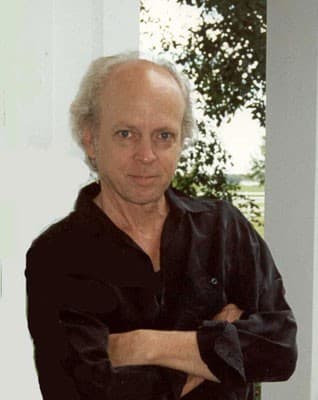
David Small

David Small is a renowned graphic novelist and illustrator, celebrated for his award-winning memoir "Stitches." This critically acclaimed work delves into his childhood struggles with illness and family trauma, earning him an Eisner Award. Small's distinctive visual style and unflinching honesty have solidified his place as a significant voice in contemporary autobiographical comics.