BookBrief
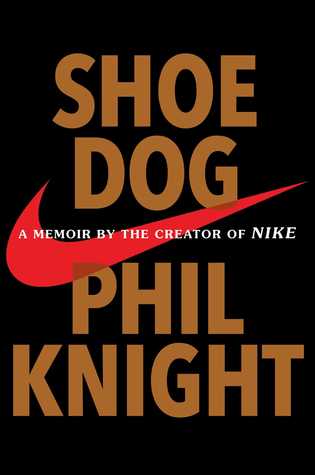
Shoe Dog: A Memoir by the Creator of NIKE cover
Archivist's Choice

Shoe Dog: A Memoir by the Creator of NIKE

Phil Knight (2014)

Genre

Business / Entrepreneurship / Biography / Leadership / Memoir

Reading Time

8-10 hours

Key Themes

See below

Track Your Reading

Sign in to track this book

Phil Knight's memoir tells how he started Nike with fifty dollars and a trunk of imported Japanese shoes, showing the hard work, risks, and unique team that made it a global company and changed sports and business.

Core Idea

Phil Knight's 'Shoe Dog' describes the challenging and ultimately successful creation of Nike. It suggests that successful business building relies less on grand plans and more on a strong belief in an 'unusual idea,' combined with constant adaptation through problems. The book highlights the importance of a dedicated, unconventional team, the need for continuous funding, and the power of a good brand story built from a personal connection to the product and its purpose. It shows long-term vision, instinct-driven choices, and the determination needed to turn a passion into a global business despite many obstacles.
Reading time
8-10 hours
Difficulty
Easy
✓ Read this if...
You're an aspiring entrepreneur, interested in the raw, unglamorous reality of building a global brand from scratch, or simply enjoy a compelling underdog story of perseverance.
✗ Skip this if...
You're looking for a dry, academic business textbook or a step-by-step guide to entrepreneurship, as this is a personal memoir focusing on the emotional and logistical rollercoasters.

Core idea

The central argument and framework that powers the entire book.

Phil Knight's 'Shoe Dog' describes the challenging and ultimately successful creation of Nike. It suggests that successful business building relies less on grand plans and more on a strong belief in an 'unusual idea,' combined with constant adaptation through problems. The book highlights the importance of a dedicated, unconventional team, the need for continuous funding, and the power of a good brand story built from a personal connection to the product and its purpose. It shows long-term vision, instinct-driven choices, and the determination needed to turn a passion into a global business despite many obstacles.

At a glance

Reading time

8-10 hours

Difficulty

Easy

Read this if...

You're an aspiring entrepreneur, interested in the raw, unglamorous reality of building a global brand from scratch, or simply enjoy a compelling underdog story of perseverance.

Skip this if...

You're looking for a dry, academic business textbook or a step-by-step guide to entrepreneurship, as this is a personal memoir focusing on the emotional and logistical rollercoasters.

Key Takeaways

1

The 'Crazy Idea' as a North Star

Embrace audacious, unconventional visions as your guiding principle.

Quote

Let everyone else call your idea crazy… just keep going. Don’t stop. Don’t even think about stopping until you get there, and don’t give a s*** what anyone else thinks.

Many people thought Phil Knight's first idea for Blue Ribbon Sports (later Nike) was impossible: importing Japanese running shoes to compete with big German companies. This 'unusual idea' was more than a business plan; it was a personal search for meaning beyond a regular job. Knight's memoir shows that real business ventures often start with a conviction that seems irrational, an 'unusual idea' that connects so deeply with the founder that they feel driven to pursue it no matter what. This strong commitment to an unconventional path,...

Supporting evidence

Knight's initial 'crazy idea' was born from his Stanford business school paper and a post-college trip around the world, specifically his stop in Japan where he first connected with Onitsuka Tiger. He started with just $50 from his father, selling shoes from the trunk of his car, despite widespread skepticism from family and friends about the viability of his business.

Apply this

Identify a 'crazy idea' that genuinely excites you and aligns with your personal values, even if it seems impractical. Use this as your driving force, understanding that passion will sustain you through adversity far more than short-term profit goals. Document your core belief and revisit it regularly to reinforce your commitment.

visionpurpose-driven-entrepreneurshipunconventional-paths
2

The Power of a Ragtag Team

Build a loyal, misfit crew united by shared passion, not just corporate hierarchy.

Quote

When you hire people, you’re not just hiring hands, you’re hiring hearts and souls.

Nike's early success came not just from shoes, but from the extraordinary, often quirky, people Phil Knight brought together. From his former track coach Bill Bowerman, a smart but unusual innovator, to the very loyal 'Buttfaces' who were his first employees, Knight created a culture of teamwork and shared purpose. These were not typical employees; they were passionate athletes, unique individuals, and dreamers who deeply believed in running and the potential of Blue Ribbon Sports. This close, almost family-like bond, built through sh...

Supporting evidence

The early team included figures like Jeff Johnson, a passionate and unconventional salesman; Bob Woodell, a former runner; and the eccentric lawyer, Rob Strasser. Most notably, Bill Bowerman, Knight's former track coach, was instrumental in designing innovative shoes, even using a waffle iron to create new sole patterns.

Apply this

Prioritize hiring for passion, shared values, and character over strict adherence to traditional qualifications. Foster a culture of trust, collaboration, and mutual support, allowing team members to bring their full, authentic selves to work. Recognize and celebrate the unique contributions of each individual, building a 'band of brothers' mentality.

team-buildingcompany-cultureshared-missionloyalty
3

Embrace Constant Crisis

Expect and navigate a continuous stream of existential threats as a normal part of growth.

Quote

The cowards never started, and the weak died along the way. That leaves us.

Knight's memoir is an example of managing problems, or rather, enduring them. From the start, Blue Ribbon Sports was always close to failing: cash flow issues, supplier disagreements, legal fights, and bank rejections happened daily. Knight shows building a business not as a straight path to success, but as an endless series of problems to solve, each threatening to end the company. His ability to stay calm, find solutions, and keep going despite these constant attacks—often while literally running out of money—shows that survival oft...

Supporting evidence

Throughout the book, Knight details numerous financial crises, including being constantly overdrawn at the bank, having suppliers like Onitsuka Tiger threaten to cut them off, and dealing with customs issues that held up inventory. A significant crisis was the lawsuit filed by Onitsuka Tiger, demanding millions and nearly bankrupting Nike in its early days.

Apply this

Cultivate mental resilience and a problem-solving mindset. Anticipate that challenges will be constant, not exceptions. Develop contingency plans and maintain a lean operation to weather financial storms. Learn to make tough decisions quickly and adapt your strategy in real-time, understanding that perfection is the enemy of progress.

resiliencecrisis-managemententrepreneurial-mindsetpersistence
4

The Crucial Role of Financial Lifelines

Master the art of securing and managing capital, even from unconventional sources, to fuel growth.

Quote

Cash flow, cash flow, cash flow. It was always about cash flow.

One of the most repeated themes in 'Shoe Dog' is the constant struggle for money. Knight often points out how Blue Ribbon Sports was always on the edge of financial collapse, working with very small profits and always needing to get new credit lines, loans, or investments to stay open and keep products moving. His reliance on Japanese trading companies like Nissho Iwai, which provided important funding when American banks would not, highlights how important unconventional financial partners can be. This point shows that even with a go...

Supporting evidence

Knight's constant struggle with First National Bank, which repeatedly threatened to cut off Blue Ribbon's credit, is a central plot point. His eventual partnership with Nissho Iwai, a Japanese trading company, proved to be the financial savior for the company, providing crucial loans and letters of credit that no American bank would offer.

Apply this

Develop a deep understanding of your company's cash flow. Explore diverse funding sources, including international partners or less traditional lenders, if conventional routes are closed. Build strong relationships with financial institutions and be transparent about your needs and challenges. Always have a plan B (and C, and D) for securing capital.

cash-flowstartup-fundingfinancial-managementdebt-financing
5

Brand Story Over Product Specs

Connect with consumers through emotional narratives and aspirational identity.

Quote

It seems that the more successful we became, the more our competitors tried to copy our shoes. But they couldn’t copy our spirit.

While Nike began by focusing on better running shoe technology, its lasting success was not built only on waffle soles and air cushions. Knight shows, both directly and indirectly, how Nike went beyond just a product to become a cultural phenomenon. The brand became linked with the spirit of sport, individual achievement, and 'just doing it.' This emotional connection, created through memorable advertising, athlete endorsements, and a consistent story of overcoming challenges, allowed Nike to build a very loyal customer base that valu...

Supporting evidence

The evolution from 'Blue Ribbon Sports' to 'Nike' and the creation of the 'Swoosh' logo, purchased for a mere $35, are pivotal. While not explicitly detailed in the early memoir, the groundwork for Nike's later iconic advertising and athlete endorsements (e.g., Steve Prefontaine's influence) is laid, showing a focus on connecting with the running community's passion.

Apply this

Go beyond listing product features; identify and articulate the emotional core of your brand. Develop a compelling narrative that resonates with your target audience's aspirations and values. Invest in creative marketing and brand identity from the outset, understanding that a strong brand story fosters loyalty and differentiates you in crowded markets.

brand-identitystorytellingemotional-marketingconsumer-connection
6

The Gut Feeling as a Business Compass

Trust your intuition, especially when data or advice is ambiguous or absent.

Quote

I was a runner, and a very good one. So I trusted my gut. My gut told me to run.

Throughout Nike's early years, Phil Knight often made important decisions based on his instincts rather than detailed market research or standard business advice. Whether it was continuing to import shoes despite low funds, trusting an unknown Japanese trading company, or even naming the company 'Nike' based on a dream, Knight's gut feelings often guided him through new territory. In a situation of constant uncertainty and limited resources, where traditional analysis was often impossible, his natural sense of direction, refined by hi...

Supporting evidence

Knight's decision to name the company 'Nike' came from Jeff Johnson's dream of the Greek goddess of victory, despite Knight initially preferring 'Dimension Six.' His persistent pursuit of the Onitsuka Tiger distribution rights, despite having little business experience, was also driven by a strong conviction.

Apply this

Develop and trust your intuition by deeply immersing yourself in your industry and understanding your customer base. When faced with complex decisions and incomplete information, allow your 'gut feeling' to inform your choices, especially when it aligns with your core vision. Reflect on past successes and failures to refine your intuitive judgment.

intuitiondecision-makingentrepreneurial-instinctrisk-taking
7

Long-Term Vision Trumps Short-Term Gains

Sacrifice immediate profit for sustained growth and market dominance.

Quote

My hope was that when I failed, if I failed, I would fail doing that which I wanted.

Knight's story reveals a deep commitment to a long-term goal of building a global sports brand, even if it meant years of personal financial hardship and almost constant company danger. He consistently put every available dollar back into the company, often giving up personal salary or lavish spending, to fund products, expand operations, and develop new items. This strong dedication to growth, even at the cost of short-term profits or personal comfort, was essential. It shows that truly transformative companies are built by founders ...

Supporting evidence

Knight describes living frugally for years, often borrowing money or relying on his father's support, while pouring all company profits back into inventory and expansion. His decision to take out large loans and constantly seek new credit lines, despite the immense personal risk, was driven by a desire to scale rapidly.

Apply this

Adopt a long-term strategic mindset, prioritizing sustainable growth and market position over immediate financial returns. Be prepared to make personal sacrifices and reinvest profits back into the business. Communicate your long-term vision clearly to your team and stakeholders to maintain alignment and commitment.

strategic-planninglong-term-growthreinvestmentsustainable-business
8

The Unsung Heroes of Innovation

Recognize that groundbreaking progress often comes from unexpected sources and unconventional minds.

Quote

Bowerman was a genius, a mad scientist, a sorcerer, a kook, a tyrant, a friend.

Bill Bowerman, Phil Knight's former track coach and co-founder, is perhaps the true unsung hero of Nike's early technical inventions. His constant experiments, often in his own garage with everyday items like a waffle iron, led to revolutionary shoe designs that gave Nike a significant competitive advantage. This shows that innovation does not always come from corporate research labs; it often comes from passionate, unconventional people driven by a genuine desire to solve problems and improve performance. Knight's skill was in recogn...

Supporting evidence

Bill Bowerman's use of a waffle iron to create the 'Waffle Trainer' sole, which provided superior traction and cushioning, is a legendary example. He constantly tinkered with materials and designs, driven by his desire to improve his runners' performance, directly leading to Nike's technological advantage.

Apply this

Actively seek out and empower unconventional thinkers and problem-solvers within your team. Create an environment that encourages experimentation, even if it means occasional failures. Value practical, hands-on innovation as much as theoretical research. Give credit where credit is due, especially to those working behind the scenes.

innovationproduct-developmentunconventional-thinkinginventor
9

The Relentless Pursuit of the 'Better Shoe'

Maintain an unwavering focus on product excellence and continuous improvement.

Quote

The art of competing, I’d learned, was the art of forgetting. Forgetting your limits. Forgetting your doubts. Forgetting your pain. You must forget that you’re tired, beat, overmatched. You must forget that you’re afraid. Greed, fear, doubt—these were the demons. The only way to defeat them was to run.

At its core, Nike was, and still is, about the shoe. Knight's memoir consistently emphasizes the main goal: to make better running shoes. This was not just a marketing slogan; it was a strong focus, especially for Bill Bowerman, but also for Knight and his early team. They were athletes focused on performance, always looking for lighter materials, better cushioning, and more comfortable designs. This constant pursuit of better products, even as the company dealt with financial and legal issues, ensured that Nike always gave customers ...

Supporting evidence

The constant development of new shoe models and technologies, from the Cortez to the Waffle Trainer and later the Air Sole, demonstrates this focus. Bowerman's tireless work in his workshop, dissecting shoes and experimenting with new materials, exemplifies this dedication to product excellence.

Apply this

Prioritize product development and quality as central to your business strategy. Foster a culture of continuous improvement and user feedback. Invest in research and development, always seeking ways to make your product or service genuinely better for your customers. Never rest on past successes; always strive for the next iteration.

product-excellencecontinuous-improvementquality-controlinnovation-driven
10

Entrepreneurship as a Hero's Journey

View the entrepreneurial path as a profound personal transformation with epic challenges and rewards.

Quote

I wanted to build something that was my own, something I could point to and say, I made that. It was a crazy idea, but it was mine.

'Shoe Dog' is more than a business story; it is a very personal account of Phil Knight's own search for meaning and purpose. His journey to build Nike is presented as a personal adventure, full of self-doubt, exciting successes, deep losses (like his son's death), and a constant struggle for identity. The memoir shows that building a business is not just about creating a company, but about growing as a person, going through intense personal development through challenges. Knight's honesty about his struggles, weaknesses, and the deep ...

Supporting evidence

Knight begins the memoir with his post-college 'crazy idea' and ends it reflecting on his life's work. His candid discussions about his introverted nature, his struggles with fatherhood, the loss of his son Matthew, and the profound personal toll of running Nike reveal the deeply personal nature of his entrepreneurial journey.

Apply this

Approach your entrepreneurial venture not just as a business project, but as a path for personal growth and self-discovery. Be prepared for profound challenges that will test your character. Reflect on your journey and its impact on your identity, understanding that the process of building is often more transformative than the outcome.

personal-growthself-discoverymeaning-purposeentrepreneurial-journey

Critical analysis

Notable Quotes

The cowards never started and the weak died along the way. That leaves us, ladies and gentlemen. Us.

Reflecting on the early, difficult days of Blue Ribbon Sports and the perseverance required.

I was an open book, but I had one big secret. I knew that my crazy idea was not crazy. I knew that I was not a nut. I knew that I was building something important.

Describing his inner conviction despite external skepticism about his business venture.

Don't tell people how to do things, tell them what to do and let them surprise you with their results.

A key management philosophy he adopted, emphasizing empowerment and trust in employees.

The art of competing, I'd learned, was the art of forgetting, of pushing through, of not giving up.

Connecting his experience as a runner to the challenges of building a business.

We were less a team than a band of pirates, and like all good pirates we got the job done.

Describing the unconventional and driven nature of his early team at Blue Ribbon Sports.

I wanted to build something that was my own, something I could point to and say, 'I made that.'

Expressing his fundamental motivation for starting his own company.

Luck plays a role, of course, but it's not the whole story. It's about being prepared to seize the opportunity.

Acknowledging the role of chance but emphasizing readiness and strategic action.

When you make something, when you improve something, when you add to the sum of human knowledge, or pleasure, or beauty, or health, you're doing God's work.

Reflecting on the deeper meaning and impact of creative and entrepreneurial endeavors.

Like it or not, life is a game. Whoever denies that truth, whoever refuses to play, gets benched.

A philosophical observation on engaging with life's challenges and opportunities.

The most important thing in life is to be able to give out love.

A more personal reflection, moving beyond business to broader life values.

It seems wrong to call it 'business.' It was more than that. It was a mission.

Distinguishing his enterprise from a mere commercial venture, highlighting its deeper significance.

My hope was that when I failed, I would fail quickly, so I could learn and adjust and move on.

Emphasizing an iterative approach to entrepreneurship, embracing failure as a learning tool.

The greatest danger for most of us is not that our aim is too high and we miss it, but that it is too low and we reach it.

A timeless piece of advice on ambition and setting challenging goals.

I told myself: Let everyone else call your idea crazy… just keep going. Don’t stop. Don’t even think about stopping until you get there, and don’t give much thought to where ‘there’ is. Whatever comes, just don’t stop.

His internal mantra for relentless pursuit of his vision despite external doubt.

Quiz

Test Your Knowledge

Ready to see how well you understood this book? Take our interactive quiz with 10 questions.

10
Questions
~5
Minutes
?
Best Score

Key Questions (FAQ)

'Shoe Dog' is Phil Knight's memoir, detailing the early days of Nike from its inception as an intrepid startup importing athletic shoes from Japan, to its growth into one of the world's most iconic brands. It covers the challenges, triumphs, and key relationships that shaped Nike's journey.

About the author