Literature as an Act of Resistance
Reading forbidden texts becomes a subversive act against totalitarianism.
Quote
Every morning when I looked at the mirror I'd be confronted by a woman I didn't recognize, and I would spend the day trying to re-create myself in her image.
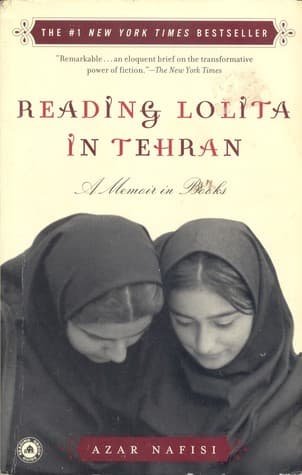
Nafisi shows how reading Western classics in post-revolutionary Iran became an act of defiance. In a society where women had to wear veils and artistic expression was stopped by a 'blind censor,' these secret literary discussions offered intellectual freedom. The characters in Austen, Fitzgerald, and Nabokov reflected the students' struggles with identity, love, and independence under an oppressive government. This takeaway highlights the book's main idea: literature is not just an escape, but a tool for self-preservation and resistan...
Supporting evidence
The secret Thursday morning classes where students removed their veils and openly discussed authors like Nabokov, a direct violation of state-imposed dress codes and intellectual censorship.
Apply this
Recognize the power of art and literature not just for entertainment, but as a crucial means of fostering critical thinking, empathy, and personal freedom, especially in environments that seek to suppress individual thought.