The Dual Identity Tightrope
Navigating the complexities of being both Japanese and American in pre-war Seattle.
Quote
I was a sort of Japanese-American 'schizophrenic.' On the one hand, I was proud to be American, but on the other, I couldn't escape the fact that I looked Japanese.
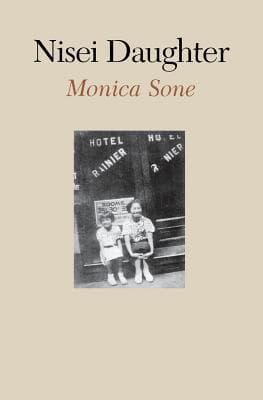
Monica Sone's early life shows the psychological tightrope Nisei (second-generation Japanese Americans) walked in the 1930s. They were American citizens, educated in American schools, and part of American culture, but constantly reminded of their Japanese heritage through family traditions, community expectations, and societal prejudice. This made them feel like 'others,' neither fully Japanese nor fully American. Sone explains this internal conflict, the desire to assimilate, and the simultaneous pull of ancestral identity, a theme m...
Supporting evidence
Sone describes her family's adherence to Japanese customs at home, like bowing and speaking Japanese, contrasted with her public school life where she learned American history and yearned for 'American' experiences like slumber parties. She recounts her shame over her mother's broken English and her own efforts to perfect her English to fit in.
Apply this
Reflect on how your personal identity is shaped by cultural heritage and societal expectations. Seek understanding and empathy for those who navigate dual or multiple cultural identities, recognizing the inherent tensions and strengths in such positions.