Synopsis
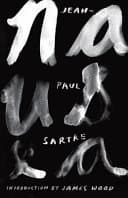
Sartre's "Nausea" argues that existence comes before essence, showing the inherent meaninglessness of life without a pre-set purpose or creator. The main character, Antoine Roquentin, realizes that everything, including himself, is contingent and unnecessary, leading to an overwhelming feeling of 'nausea.' This experience reveals the terrifying freedom and responsibility people have to define their own values and create meaning in a world without intrinsic value. This burden is often avoided through self-deception.
The book states that humans are free, always facing the need to choose and create themselves without outside justification. The 'viscosity of being' shows the resistant, meaningless material world, which contrasts with the fluid, self-defining nature of consciousness. "Nausea" explores existential angst, the rejection of comforting stories, and the lonely, ongoing task of authentic self-creation in an indifferent universe.
✓ Read this if...
You are interested in the core tenets of existentialism, enjoy philosophical fiction that delves into the nature of consciousness and freedom, or are willing to engage with themes of absurdity and meaninglessness.
✗ Skip this if...
You prefer plot-driven narratives, seek optimistic or comforting philosophies, or find introspective, stream-of-consciousness writing challenging.