

Jean-Paul Sartre
Jean-Paul Charles Aymard Sartre was a French philosopher, playwright, novelist, screenwriter, political activist, biographer, and literary critic, considered a leading figure in 20th-century French philosophy and Marxism. Sartre was one of the key figures in the philosophy of existentialism. His work has influenced sociology, critical theory, post-colonial theory, and literary studies, and continues to do so. He was awarded the 1964 Nobel Prize in Literature despite attempting to refuse it, saying that he always declined official honors and that "a writer should not allow himself to be turned into an institution."
Books by Jean-Paul Sartre
5 books available
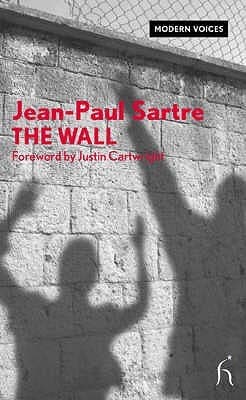
The Wall
by Jean-Paul Sartre
4.3(1,890)
Three political prisoners face execution, their minds breaking down long before the firing squad arrives.
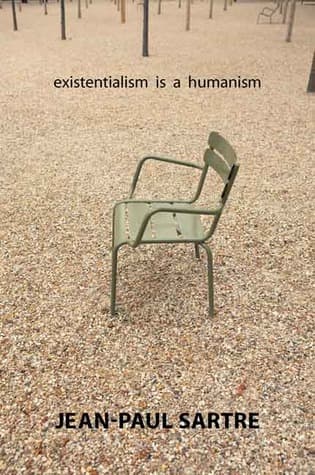
Existentialism is a Humanism
by Jean-Paul Sartre
4.0(24,019)
Sartre's lecture changed how people saw existentialism, showing that in a godless world, humans are free and must create their own meaning, affecting everyone with each choice.
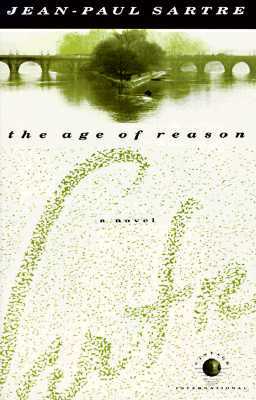
The Age of Reason
by Jean-Paul Sartre
4.1(7,859)
In the shadow of impending war, a French philosophy professor grapples with the suffocating weight of his own freedom, desperately seeking a definitive act to define his existence amidst the moral ambiguities of 1938 Paris.
Nausea
by Jean-Paul Sartre
3.9(86,235)
A historian in a French town faces the crushing absurdity of being, removing all comforting illusions.
Being and Nothingness
by Jean-Paul Sartre
4.0(26,136)
Sartre's major work challenges traditional ideas of self and world, making readers face the difficult reality of absolute freedom and the heavy weight of their choices in a world without built-in meaning.