BookBrief
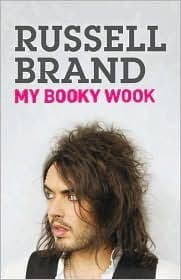
My Booky Wook cover
Archivist's Choice

My Booky Wook

Russell Brand (2006)

Genre

Biography / Memoir

Reading Time

12 Minutes

Key Themes

See below

Track Your Reading

Sign in to track this book

Russell Brand’s raw memoir describes his journey from addiction and self-destruction to comedy stardom and sobriety.

Core Idea

In 'My Booky Wook,' Russell Brand offers a raw, humorous, and often self-deprecating account of his tumultuous journey from a troubled, drug-addicted youth in Grays, Essex, to his emergence as a prominent comedian, actor, and media personality. The memoir delves into his struggles with addiction, sex, and mental health, portraying them not just as personal failings but as integral parts of his eccentric and ultimately successful persona. Brand's narrative explores themes of identity, fame, and the search for meaning amidst chaos, all while maintaining his distinctive, verbose, and often provocative voice.
Difficulty
Easy

Core idea

The central argument and framework that powers the entire book.

In 'My Booky Wook,' Russell Brand offers a raw, humorous, and often self-deprecating account of his tumultuous journey from a troubled, drug-addicted youth in Grays, Essex, to his emergence as a prominent comedian, actor, and media personality. The memoir delves into his struggles with addiction, sex, and mental health, portraying them not just as personal failings but as integral parts of his eccentric and ultimately successful persona. Brand's narrative explores themes of identity, fame, and the search for meaning amidst chaos, all while maintaining his distinctive, verbose, and often provocative voice.

At a glance

Difficulty

Easy

Key Takeaways

1

The Performance of Self in Early Life

Brand's childhood traumas manifested as a desperate need for external validation and a nascent performative identity.

Quote

My childhood was a performance, a constant audition for attention.

Brand describes a childhood marked by his father's absence and his mother's illness. These experiences taught him he had to 'earn' his existence through performance. His bulimia at age 12, a severe eating disorder, can be seen as an attempt to control his body and his perceived worth, even if self-destructive. This constant need for an audience and approval set the stage for his later career. The book suggests a direct link between his inner emptiness and his outward showmanship, explaining the origins of his public persona.

Supporting evidence

Brand's detailed recollections of his father's absence, his mother's cancer, and his early struggles with bulimia and self-harm.

Apply this

Understanding how early childhood experiences, particularly those involving neglect or trauma, can shape an individual's coping strategies and future professional identity, often leading to a 'performance' of self in public life.


2

Addiction as a Search for Transcendence

Brand's intense drug use was less about hedonism and more a misguided spiritual quest for meaning and escape.

Quote

Drugs were my God, my escape, my everything. They filled a void that nothing else could touch.

The memoir's best insight into addiction focuses on 'why' rather than just 'what.' Brand presents his drug use not as recreational, but as a desperate search for something bigger than himself. The 'high' was more than physical; it was a temporary escape, a fleeting sense of belonging that his chaotic life lacked. His descriptions of taking drugs on stage, or setting himself on fire while on crack, show how far he would go to feel anything, even pain, to avoid the dull ache of his emptiness. This view offers a more understanding look a...

Supporting evidence

Brand's introspective reflections on the feelings drugs evoked, his constant pursuit of the next 'hit' for its psychological rather than purely physical effects, and his descriptions of the profound emptiness felt when sober.

Apply this

When addressing addiction, consider the underlying psychological or spiritual voids an individual might be attempting to fill, rather than solely focusing on the substance itself. Empathy for the 'why' can be crucial for recovery.

3

The Transformative Power of Rock Bottom

The stark ultimatum of prison, mental hospital, or death served as the necessary catalyst for Brand's recovery.

Quote

They told me I had six months. It was the best thing anyone ever said to me.

Brand's path to sobriety is a strong example of hitting 'rock bottom.' He states the ultimatum he received in 2003: 'prison, a mental hospital, or dead within six months.' This stark reality broke through years of denial. It was a clear boundary that forced him to face his life's catastrophic direction. This moment shows that for some, especially those deep in addiction, outside intervention and a dire consequence are necessary to start real change. It supports the idea that sometimes, the most compassionate act is to present the plai...

Supporting evidence

The direct quote about the six-month ultimatum and Brand's immediate entry into rehab following this confrontation.

Apply this

Recognizing that for individuals in deep crisis, a clear, firm boundary and the presentation of dire consequences can be the most effective catalyst for change, even if it feels harsh in the moment.

4

Humor as a Shield and a Weapon

Brand's distinctive comedic style emerged from a need to deflect pain, connect with others, and exert control.

Quote

Comedy was my way of making sense of the madness, of controlling the narrative.

The book shows how Brand's comedic talent was shaped by hardship. His early life, full of trauma and social awkwardness, helped him develop humor as a tool. It was a shield against pain and judgment. It was also a way to satirize society and personal struggles, turning his weaknesses into strengths. Humor became a way to connect, allowing him to build relationships where he once felt alone. His unique style, combining elaborate language, self-deprecation, and sharp social comments, comes directly from these early experiences, showing ...

Supporting evidence

Brand's descriptions of using humor to cope with his mother's illness, to navigate difficult social situations, and his early stand-up routines that often drew from his personal struggles.

Apply this

Consider how creative expression, particularly humor, can be a powerful coping mechanism and a means of processing trauma, transforming personal narratives into relatable art.

5

The Interconnectedness of Sex, Addiction, and Identity

Brand's promiscuity and visits to prostitutes were deeply intertwined with his substance abuse and search for identity.

Quote

Sex was just another drug, another way to feel something, anything, even if it was fleeting and empty.

This memoir addresses the darker parts of Brand's life before sobriety, especially his sexual compulsions. The book argues that his frequent visits to prostitutes and general promiscuity were not separate behaviors but were deeply connected to his drug addiction and underdeveloped sense of self. Without real emotional intimacy, these encounters offered a superficial connection and a temporary escape from his inner turmoil, much like his drug use. This argument highlights the often-missed link between various compulsive behaviors, sugg...

Supporting evidence

Brand's explicit accounts of his visits to prostitutes in Soho, his casual sexual encounters, and his reflections on the emptiness he felt after these experiences, mirroring his post-drug crash feelings.

Apply this

When addressing addiction or compulsive behaviors, examine potential co-occurring issues like sexual compulsions, recognizing that they often share common psychological roots and require integrated recovery strategies.

6

The Role of External Accountability in Recovery

Beyond personal will, the structure and support of rehab and external mandates were critical for Brand's sobriety.

Quote

I couldn't do it alone. The structure, the rules, the other addicts – they saved me.

While Brand's personal decision to get clean was important, the book suggests it wasn't enough on its own. The immediate move into rehab provided crucial accountability, structure, and peer support. The rules, group therapy, and shared experiences with other addicts created an environment where he could begin to break destructive patterns. This contrasts with stories that overemphasize individual willpower, showing that for severe addiction, a strong support system, including professional help and community, is often the necessary bas...

Supporting evidence

Brand's description of his time in rehab, the daily routines, the group sessions, and the ongoing support network he established.

Apply this

For individuals struggling with addiction, prioritize access to structured recovery programs, peer support groups, and professional guidance, understanding that these external resources are often as vital as internal commitment.

7

The Unflinching Honesty of Memoir

Brand's willingness to expose his darkest moments fosters authenticity and provides a powerful narrative of redemption.

Quote

I had to tell the whole truth, the ugly bits too, or it wouldn't mean anything.

The memoir's impact comes largely from Brand's honesty. He doesn't sugarcoat his past; he directly addresses the squalor of his addiction, his actions, and the deep self-loathing he felt. This candor makes 'My Booky Wook' more than a celebrity autobiography; it's a significant personal account. By sharing the 'ugly bits' – self-harm, prostitutes, drug-fueled chaos – he creates a story that is both shocking and relatable for anyone who has faced personal struggles. This authenticity makes his redemption story more powerful and shows ho...

Supporting evidence

The detailed and graphic descriptions of his drug use, sexual encounters, self-harm, and the emotional turmoil he experienced throughout his active addiction.

Apply this

In personal storytelling or public discourse, embrace radical honesty and vulnerability, as it often leads to deeper connection, understanding, and a more impactful narrative.

8

Fame as a Double-Edged Sword

Brand's rise to fame coincided with his recovery, presenting unique challenges and opportunities for self-definition.

Quote

Getting famous while getting clean was a strange dance. One amplified the other.

Brand's rise to international fame happened at the same time as his early sobriety, a dynamic the book explores. While fame offered validation, it also brought pressure and new temptations for a newly clean addict. Constant scrutiny, access to resources, and adulation could easily have become new addictions. However, Brand used his platform to openly discuss his past, turning his vulnerabilities into a way to connect with his audience. This suggests that fame, often seen as corrupting, can also help sustained recovery if managed with ...

Supporting evidence

The book details his rising comedy career, sold-out tours, and radio show success happening precisely during his first few years of sobriety, and his reflections on managing these parallel paths.

Apply this

For individuals navigating significant life changes or increased public scrutiny during recovery, establish strong boundaries and a clear sense of purpose to avoid replacing old addictions with new forms of external validation.

9

The Lingering Echoes of the Past

Even in sobriety, the psychological scars of Brand's early life and addiction continue to shape his perspective.

Quote

Sobriety doesn't erase the past; it just gives you a clearer view of it.

While 'My Booky Wook' ends with Brand in a healthier place, it doesn't offer a fairytale ending where all past traumas are resolved. Instead, it quietly acknowledges that childhood experiences and active addiction leave lasting marks. His continued self-reflection, occasional self-deprecating humor about past mistakes, and ongoing commitment to recovery all suggest that healing is a continuous process. This nuanced view avoids the simple idea that sobriety or success erases all psychological burdens. It reinforces that understanding a...

Supporting evidence

Brand's ongoing self-analysis, his references to his past struggles even when clean, and the underlying tone of cautious optimism rather than definitive closure.

Apply this

Recognize that recovery and personal growth are ongoing journeys. Acknowledge and process past traumas rather than attempting to suppress them, understanding that integration is key to long-term psychological health.

Critical analysis

Notable Quotes

Quiz

Test Your Knowledge

Ready to see how well you understood this book? Take our interactive quiz with 10 questions.

10
Questions
~5
Minutes
?
Best Score

Key Questions (FAQ)

"My Booky Wook" is the autobiography of comedian Russell Brand. It details his tumultuous early life, struggles with addiction, and eventual path to recovery and fame.

About the author