The Intolerable Burden of Witness
Truth is not objective; it is a profoundly personal and ethically fraught act of engagement.
Quote
For in the immediate world, everything is to be discerned, for the eye of the man who can discern it.
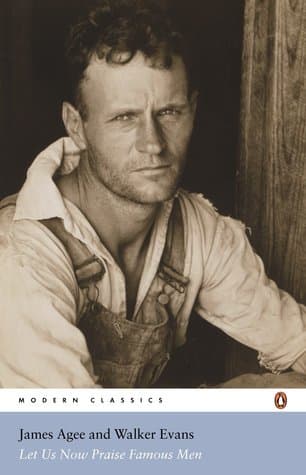
Agee struggles with the inherent aggression of observation, especially when the observed are vulnerable. His self-questioning throughout the book shows a deep ethical problem: how can one truly show another's suffering without using it, without imposing one's own story, or without reducing their complex humanity to a 'case study'? He knows that seeing, especially for publication, changes the subject and the witness, often uncomfortably. This is not just about journalistic ethics; it is a philosophical look into perception, empathy, an...
Supporting evidence
Agee's extensive internal monologues and direct addresses to the reader, where he questions his own motives, methods, and the very possibility of accurate representation. His detailed descriptions of the families' homes and possessions often lead to a crisis of conscience about his right to intrude.
Apply this
Before attempting to tell someone else's story, particularly those from marginalized communities, engage in rigorous self-reflection about your own position, biases, and the potential impact of your narrative. Prioritize the subject's agency and voice, even if it means challenging conventional storytelling structures.