BookBrief
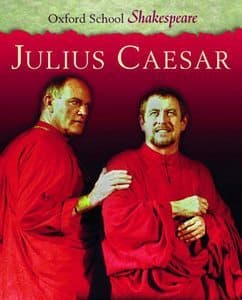
Julius Caesar cover
Archivist's Choice

Julius Caesar

William Shakespeare (1999)

Genre

Biography / History

Reading Time

180 min

Key Themes

See below

Track Your Reading

Sign in to track this book

In the shadow of ambition and betrayal, Rome's most powerful general, Julius Caesar, discovers that even the closest friends can wield the deadliest daggers.

Core Idea

Shakespeare's 'Julius Caesar' explores the dangers of ambition and the moral challenges faced by those who try to preserve republican ideals through violence. It shows that political assassination often leads to chaos, civil war, and the rise of new, often worse, rulers. The play demonstrates how violence repeats itself and how power corrupts individuals and the state. It also examines how words can manipulate public opinion and the weaknesses of both leaders and crowds, questioning how much control individuals have against fate and the drive for power.
Reading time
180 min
Difficulty
Medium
✓ Read this if...
You are interested in the psychological impact of political ambition, the ethics of assassination, the power of persuasive language, or the fragility of democratic institutions when confronted with charismatic leaders and mob mentality.
✗ Skip this if...
You prefer modern historical analyses over dramatic interpretations of historical events, or if you dislike classic Elizabethan tragic plays with their specific linguistic style and focus on moral dilemmas.

Core idea

The central argument and framework that powers the entire book.

Shakespeare's 'Julius Caesar' explores the dangers of ambition and the moral challenges faced by those who try to preserve republican ideals through violence. It shows that political assassination often leads to chaos, civil war, and the rise of new, often worse, rulers. The play demonstrates how violence repeats itself and how power corrupts individuals and the state. It also examines how words can manipulate public opinion and the weaknesses of both leaders and crowds, questioning how much control individuals have against fate and the drive for power.

At a glance

Reading time

180 min

Difficulty

Medium

Read this if...

You are interested in the psychological impact of political ambition, the ethics of assassination, the power of persuasive language, or the fragility of democratic institutions when confronted with charismatic leaders and mob mentality.

Skip this if...

You prefer modern historical analyses over dramatic interpretations of historical events, or if you dislike classic Elizabethan tragic plays with their specific linguistic style and focus on moral dilemmas.

Key Takeaways

1

The Peril of Absolute Power

Unchecked ambition leads to inevitable downfall and societal chaos.

Quote

Why, man, he doth bestride the narrow world / Like a Colossus, and we petty men / Walk under his huge legs and peep about / To find ourselves dishonorable graves.

Shakespeare shows how power in one person, even someone capable like Caesar, threatens republican ideals. The play is not just about Caesar's death; it is about the psychological and political events before and after, driven by the fear that one man's uncontrolled ambition will enslave a free people. The conspirators, especially Cassius, voice a deep worry that Caesar's power lessens what it means to be a Roman citizen, turning proud individuals into mere subjects. This fear, whether fully justified or partly from envy, highlights a t...

Supporting evidence

Cassius's lengthy soliloquies and dialogues with Brutus, where he consistently paints Caesar as an overweening tyrant-in-waiting, reminding Brutus of their shared heritage of freedom.

Apply this

Leaders should cultivate humility and actively seek counsel and accountability, establishing robust checks and balances to prevent the accumulation of power that could threaten democratic institutions. Citizens must remain vigilant against the rise of charismatic figures who seek to dismantle established norms.
tyrannyrepublicanismpolitical-ambition
2

The Burden of Moral Dilemma

Even noble intentions can lead to tragic and unforeseen consequences.

Quote

Not that I loved Caesar less, but that I loved Rome more.

Brutus is a tragic hero caught between personal loyalty and civic duty. His choice to join the conspiracy comes not from malice or envy, but from a deep, though perhaps mistaken, belief that Caesar's death is necessary to save the Roman Republic. This internal conflict, his 'honorable' reason, is central to the play's tragedy. Shakespeare makes us face the uncomfortable truth that actions taken with good intentions can still lead to chaos and civil war. Brutus's moral purity, ironically, causes his downfall, as his idealism blinds him...

Supporting evidence

Brutus's soliloquies grappling with the decision to kill Caesar, his insistence on a 'noble' assassination without excessive cruelty, and his later lament over the civil war.

Apply this

Before making significant decisions, especially those with far-reaching societal impact, thoroughly consider not just the immediate desired outcome but also the potential unintended consequences and the emotional and political fallout. Prioritize practical outcomes alongside moral purity.

tragic-heroethicsconsequences
3

The Power of Rhetoric and Persuasion

Words can sway the masses, ignite revolutions, and rewrite history.

Quote

Friends, Romans, countrymen, lend me your ears; / I come to bury Caesar, not to praise him.

Antony's funeral speech is an example of demagoguery and the manipulative power of words. While Brutus appeals to reason and abstract ideas, Antony skillfully plays on the crowd's emotions. He uses irony, questions, and carefully chosen words to turn public opinion against the conspirators. He does not directly condemn them at first, but subtly undermines their story, highlighting Caesar's good qualities and the injustice of his death. This scene clearly shows how easily public feeling can be swayed by a charismatic speaker who unders...

Supporting evidence

Antony's speech repeatedly calling the conspirators 'honorable men' while simultaneously presenting evidence of Caesar's benevolence and the conspirators' treachery, leading to the crowd's violent turn.

Apply this

Be critically aware of how information is presented and the emotional appeals being made. When evaluating arguments, look beyond surface rhetoric to understand underlying motives and factual accuracy. Practice clear, persuasive communication, but always with ethical considerations.

demagoguerypersuasionpublic-opinion
4

The Inevitability of Fate vs. Free Will

Characters grapple with destiny, yet their choices shape their tragic ends.

Quote

Men at some time are masters of their fates: / The fault, dear Brutus, is not in our stars, / But in ourselves, that we are underlings.

Shakespeare explores the tension between destiny and individual choice. While omens, prophecies, and supernatural events (like Caesar's ghost) suggest a predetermined fate, the characters' decisions are crucial to the tragedy. Cassius strongly argues for free will, urging Brutus to act rather than passively accept Caesar's power. Yet, Brutus's series of bad judgments, especially his decision to let Antony speak and his military errors, directly lead to his defeat. The play suggests that while there might be forces beyond human control...

Supporting evidence

Caesar ignoring the soothsayer's warning, Calpurnia's dream, Brutus's tactical errors in battle, and the appearance of Caesar's ghost to Brutus.

Apply this

While acknowledging external circumstances, take responsibility for your choices and actions, recognizing their significant impact on your life and the lives of others. Don't passively accept situations that can be changed through effort and strategic decision-making.

fatefree-willdestinyhuman-agency
5

The Fragility of Political Order

Even the most established systems can descend into chaos with a single act of violence.

Quote

O judgment, thou art fled to brutish beasts, / And men have lost their reason!

Caesar's assassination shatters Rome's fragile peace, pushing the republic into a devastating civil war. Shakespeare clearly shows how one politically motivated act of violence can break down an entire society, leading to widespread suffering and the rise of new, often more ruthless, powers. The conspirators, in their haste to restore the Republic, accidentally unleash forces they cannot control, ending with the Triumvirate and a new form of authoritarian rule. This acts as a powerful warning about the unexpected and often terrible re...

Supporting evidence

The immediate aftermath of Caesar's death: the panic of the citizens, the rapid formation of the Triumvirate, and the subsequent battles of Philippi.

Apply this

Advocate for peaceful and legal means of political change, understanding that violent overthrows often lead to greater instability and unintended consequences. Support institutions that promote dialogue and compromise over conflict.

political-instabilitycivil-warviolencestate-collapse
6

The Nature of Friendship and Betrayal

Loyalty is tested under pressure, revealing the depths of human connection and deceit.

Quote

Et tu, Brute? Then fall, Caesar!

Caesar's dying words to Brutus capture the deep pain of betrayal, suggesting that the physical wounds from the other conspirators were less painful than the emotional wound from his trusted friend. The play explores the complexities of loyalty, showing how personal bonds can be strained or broken by political beliefs and ambition. Brutus's betrayal of Caesar, while presented as a noble act for Rome, is still a deeply personal one that troubles him. Conversely, Antony's strong loyalty to Caesar drives his revenge. This dynamic highligh...

Supporting evidence

Caesar's shock at Brutus's involvement, Brutus's internal conflict over killing his friend, and Antony's passionate eulogy driven by his friendship with Caesar.

Apply this

Value and cultivate genuine friendships, understanding that trust is a fragile bond. In situations where loyalty conflicts with ethical principles, carefully weigh the consequences of betrayal, even when justified by a 'greater good.'

betrayalloyaltyfriendshiptrust
7

The Psychology of the Mob

Unreasoning crowds are easily manipulated and prone to sudden, violent shifts in allegiance.

Quote

Tear him for his bad verses, tear him for his bad verses!

Shakespeare portrays the Roman people's changeability and irrationality. Initially celebrating Caesar, they are quickly swayed by Brutus's logical, though somewhat dry, explanation of the assassination. However, Antony's emotional speech moments later completely reverses their loyalty, turning them into a vengeful mob. The brutal murder of Cinna the poet, simply because he shares a name with a conspirator, clearly shows the mob's capacity for senseless violence and its inability to tell individuals apart or use reason. This is a chill...

Supporting evidence

The crowd's reaction to Brutus's speech, their subsequent shift after Antony's oration, and the murder of Cinna the poet.

Apply this

Be wary of groupthink and emotional appeals, always striving to think critically and independently. Avoid participating in or enabling mob mentality, recognizing its potential for injustice and violence.

mob-mentalitycrowd-psychologyirrationalitypublic-sentiment
8

The Cycle of Violence and Revenge

One act of violence inevitably begets another, perpetuating a destructive spiral.

Quote

Cry 'Havoc!' and let slip the dogs of war.

The play clearly shows that violence, even when meant to restore order or prevent tyranny, often only starts a new, more destructive cycle. Caesar's assassination, meant to save Rome, instead causes a brutal civil war. Antony's immediate promise of revenge and his later actions ensure that the bloodshed continues, consuming not only the conspirators but countless innocent Romans. The deaths of Brutus and Cassius, though seen as a form of poetic justice, do not bring peace but merely mark the end of one phase of violence and the start ...

Supporting evidence

Antony's soliloquy over Caesar's body, predicting widespread destruction and civil strife, and the subsequent battles of Philippi where the conspirators meet their end.

Apply this

Seek peaceful resolutions to conflict and break cycles of revenge. Understand that retaliatory actions often escalate rather than resolve disputes, leading to greater suffering for all parties involved.

revengecycle-of-violenceconflict-resolutionwar
9

The Corrupting Influence of Power

Even virtuous individuals can be tempted and changed by the allure of authority.

Quote

And therefore think him as a serpent's egg / Which, hatched, would, as his kind, grow mischievous, / And kill him in the shell.

While Caesar is the main focus of this theme, Shakespeare also explores how the pursuit and use of power affect others. Brutus, driven by an abstract fear of Caesar's potential tyranny, commits regicide, an act that stains him and ultimately leads to his moral and physical ruin. The conspirators themselves become caught in deceit and violence, losing some of their initial 'honor' as the play goes on. Even the Triumvirate, formed by Antony, Octavius, and Lepidus, quickly falls into ruthless power struggles, with each member willing to ...

Supporting evidence

Brutus's internal struggle and justification for killing Caesar based on what Caesar *might* become, and the Triumvirate's cold-blooded proscriptions of their enemies, including their own relatives.

Apply this

Maintain strong ethical boundaries when in positions of authority. Regularly reflect on how power might be subtly influencing your decisions and character, and seek accountability from trusted advisors.

corruptionpower-dynamicsethics-in-powermoral-decay
10

The Illusion of Control

Human attempts to dictate events often yield unexpected and uncontrollable outcomes.

Quote

There is a tide in the affairs of men / Which, taken at the flood, leads on to fortune; / Omitted, all the voyage of their life / Is bound in shallows and in miseries.

Despite careful planning and strategic moves, the characters in 'Julius Caesar' consistently find their plans falling apart. The conspirators believe they can control the story after Caesar's death, but Antony's speech shatters this idea. Brutus's military strategies are repeatedly undermined by unexpected events or better tactics from the opposition. This theme highlights the inherent unpredictability of human events and the limits of individual control in the face of larger historical forces or the whims of fortune. The play suggest...

Supporting evidence

Brutus allowing Antony to speak at the funeral, the failure of the conspirators to consolidate power, and Brutus's and Cassius's eventual defeat at Philippi.

Apply this

Develop adaptability and resilience, recognizing that not all outcomes can be controlled. Focus on influencing what is within your sphere of control, but be prepared to adjust plans and accept unforeseen developments with grace.

unpredictabilitycontingencyhuman-fallibilitychaos-theory

Critical analysis

Notable Quotes

Beware the ides of March.

A soothsayer warns Caesar.

Et tu, Brute?

Caesar's dying words to Brutus.

Friends, Romans, countrymen, lend me your ears; I come to bury Caesar, not to praise him.

Antony's famous funeral oration.

Not that I loved Caesar less, but that I loved Rome more.

Brutus's justification for Caesar's assassination.

Cowards die many times before their deaths; the valiant never taste of death but once.

Caesar dismisses Calphurnia's fears.

The evil that men do lives after them; the good is oft interred with their bones.

Antony reflects on Caesar's legacy.

There is a tide in the affairs of men which, taken at the flood, leads on to fortune.

Brutus urges Cassius to seize the moment.

Let me have men about me that are fat; Sleek-headed men and such as sleep o' nights: Yond Cassius has a lean and hungry look; He thinks too much: such men are dangerous.

Caesar expresses suspicion of Cassius.

O judgment, thou art fled to brutish beasts, And men have lost their reason!

Antony laments the crowd's reaction to Caesar's death.

Cry 'Havoc!' and let slip the dogs of war.

Antony vows revenge for Caesar's murder.

I am constant as the northern star, Of whose true-fixed and resting quality There is no fellow in the firmament.

Caesar boasts of his unwavering resolve.

When beggars die, there are no comets seen; The heavens themselves blaze forth the death of princes.

Calphurnia interprets omens as portents for Caesar.

The fault, dear Brutus, is not in our stars, But in ourselves, that we are underlings.

Cassius tries to persuade Brutus to act against Caesar.

Caesar, thou art revenged, Even with the sword that killed thee.

Brutus's dying words, acknowledging Caesar's ultimate victory.

Quiz

Test Your Knowledge

Ready to see how well you understood this book? Take our interactive quiz with 10 questions.

10
Questions
~5
Minutes
?
Best Score

Key Questions (FAQ)

The Oxford School Shakespeare edition of 'Julius Caesar' is a specially designed introduction to Shakespeare's play for new readers. It presents the complete and unabridged text in large print, accompanied by extensive explanatory notes and supplementary materials to aid understanding.

About the author

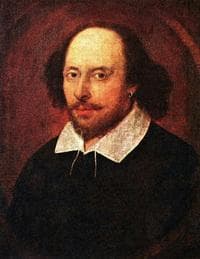
William Shakespeare

William Shakespeare was an English playwright, poet and actor. He is widely regarded as the greatest writer in the English language and the world's pre-eminent dramatist. He is often called England's national poet and the "Bard of Avon". His extant works, including collaborations, consist of some 39 plays, 154 sonnets, three long narrative poems, and a few other verses, some of uncertain authorship. His plays have been translated into every major living language and are performed more often than those of any other playwright. Shakespeare remains arguably the most influential writer in the English language, and his works continue to be studied and reinterpreted.