BookBrief
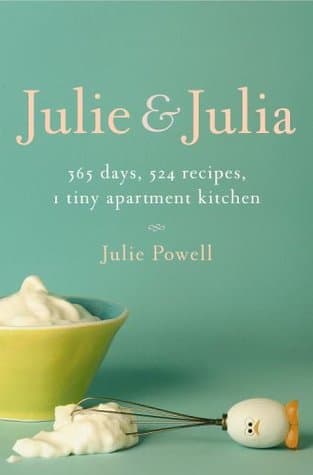
Julie and Julia: 365 Days, 524 Recipes, 1 Tiny Apartment Kitchen cover
Archivist's Choice

Julie and Julia: 365 Days, 524 Recipes, 1 Tiny Apartment Kitchen

Julie Powell (2005)

Genre

Lifestyle / Biography / Memoir

Reading Time

12 Minutes

Key Themes

See below

Track Your Reading

Sign in to track this book

A thirty-something struggling writer finds culinary salvation and a new life by cooking every single recipe in Julia Child's legendary cookbook over the course of a year.

Core Idea

Julie Powell, on the cusp of turning thirty and feeling stuck in a dead-end job and an uninspired life, embarks on an ambitious and seemingly insane project: to cook all 524 recipes in Julia Child's 'Mastering the Art of French Cooking' within 365 days. The book chronicles her year-long culinary adventure, interweaving the practical challenges and triumphs of cooking with her personal struggles, marital ups and downs, and ultimate journey of self-discovery through the lens of Child's iconic work. It's a testament to finding passion and purpose in unexpected places, and the transformative power of a daunting, self-imposed challenge. The memoir explores themes of ambition, culinary artistry, the search for meaning in everyday life, and the unexpected connection Julie forms with Julia Child across time and space. Through her often hilarious and sometimes frustrating kitchen escapades, Powell discovers not only the intricacies of French cuisine but also a deeper understanding of herself, her marriage, and what it truly means to live a fulfilling life.
Difficulty
Easy

Core idea

The central argument and framework that powers the entire book.

Julie Powell, on the cusp of turning thirty and feeling stuck in a dead-end job and an uninspired life, embarks on an ambitious and seemingly insane project: to cook all 524 recipes in Julia Child's 'Mastering the Art of French Cooking' within 365 days. The book chronicles her year-long culinary adventure, interweaving the practical challenges and triumphs of cooking with her personal struggles, marital ups and downs, and ultimate journey of self-discovery through the lens of Child's iconic work. It's a testament to finding passion and purpose in unexpected places, and the transformative power of a daunting, self-imposed challenge.

The memoir explores themes of ambition, culinary artistry, the search for meaning in everyday life, and the unexpected connection Julie forms with Julia Child across time and space. Through her often hilarious and sometimes frustrating kitchen escapades, Powell discovers not only the intricacies of French cuisine but also a deeper understanding of herself, her marriage, and what it truly means to live a fulfilling life.

At a glance

Difficulty

Easy

Key Takeaways

1

The Culinary Cure for Quarter-Life Crisis

An ambitious project can provide structure and meaning when life feels stagnant.

Quote

I was thirty, stuck in a dead-end job, and living in Queens. I needed something to break the monotony.

Powell's story shows how a big, self-imposed goal can fight off boredom. Stuck in a secretarial job and feeling unfulfilled, she didn't just look for a hobby; she started a cooking marathon: making all 524 recipes from Julia Child's 'Mastering the Art of French Cooking' in 365 days. This project changed her everyday life, giving her daily tasks, small wins, and a real sense of progress that her job lacked. It proves that sometimes, the best way to escape a rut isn't to change everything, but to add a huge project to your normal routin...

Supporting evidence

Powell's initial description of her life before the project versus her growing engagement and sense of purpose as the year progresses.

Apply this

Identify an area of your life that feels stagnant and commit to a challenging, time-bound personal project. This could be learning a new skill, completing a creative endeavor, or even reading a classic literary canon.


2

Embracing the Messy Reality of Mastery

True learning involves failures, frustrations, and an unglamorous process.

Quote

At first I thought it would be easy. But as I moved from the simple Potage Parmentier into the more complicated realm of aspics and crépes, I realized there’s more to Mastering the Art of French Cooking than meets the eye.

Powell's story offers a realistic view of learning a skill. She doesn't just share successes; she writes about burnt béchamel, collapsed soufflés, and the fear of deboning a duck. Her kitchen often becomes a messy battleground. This honesty is important because it makes mastery seem less about natural talent and more about steady effort, learning from mistakes, and being willing to get your hands dirty. The book's best point here is that the 'art' of anything often rests on a base of very un-artistic, repeated, and frustrating work.

Supporting evidence

Numerous anecdotes of culinary disasters, late-night cooking sessions, and the emotional toll of difficult recipes like aspic and boning a duck.

Apply this

When pursuing a new skill, anticipate and normalize failure. Document your struggles as much as your successes to understand the true learning curve and avoid discouragement.

3

The Unsung Hero: Supportive Partners

Behind every great endeavor often stands an incredibly patient and understanding spouse.

Quote

She sends her husband on late-night runs for yet more butter and rarely serves dinner before midnight.

Julie is the main character, but her husband, Eric, is a quiet hero of her cooking adventure. His willingness to eat late dinners, run out for ingredients, and put up with a constantly messy kitchen shows how important a spouse's help is for big personal projects. Without Eric's patience and understanding, Julie's year-long commitment would have been much harder, if not impossible. This highlights that individual success often comes from group effort, relying on the sacrifices and encouragement of those closest to us. It's a subtle bu...

Supporting evidence

Repeated mentions of Eric's late-night grocery runs, his patient waiting for dinner, and his general tolerance for the project's disruption to their home life.

Apply this

Before embarking on a significant personal project, openly discuss its potential impact on your household and relationships. Secure buy-in and define areas where support will be most needed.

4

Finding Your Voice Through Public Sharing

Blogging can transform a private challenge into a public narrative and source of connection.

Quote

I started a blog, mostly to keep myself accountable, but it turned into something much more.

Julie Powell's choice to write about her cooking journey on a blog changed a solo effort into a shared one. The blog became her place to vent, confess, and eventually, her platform. It let her deal with frustrations, celebrate wins, and connect with a growing audience who found her struggles funny and relatable. This shows the power of blogging (or any public sharing platform) not just for accountability, but for developing a unique voice, building community, and possibly opening doors to new chances. It emphasizes how sharing the pro...

Supporting evidence

The entire book is an expansion of her blog posts, detailing how the blog gained traction and provided her with a sense of audience and purpose.

Apply this

If you're tackling a long-term personal project, consider documenting your journey publicly through a blog, social media, or a journal. This can provide motivation, accountability, and unexpected connections.

5

The Enduring Power of Mentorship (Even Posthumous)

Connecting with a historical figure through their work can be profoundly inspiring.

Quote

With Julia’s stern warble always in her ear, Julie haunts the local butcher, buying kidneys and sweetbreads.

Even though she never met Julia Child, Powell forms a very personal, almost family-like, connection with her through 'Mastering the Art of French Cooking.' Child's exact instructions, encouraging tone, and passion for French food become a constant presence in Julie's kitchen. This highlights the deep effect of 'mentorship after death' – getting inspiration, advice, and even a sense of friendship from people who left behind important work. It suggests that mentors don't always need to be alive or present; their legacy can guide, especi...

Supporting evidence

Powell's frequent internal monologues with 'Julia,' her references to Child's voice and personality, and her feeling of kinship with Child.

Apply this

Identify historical or notable figures in your field of interest whose work resonates deeply with you. Immerse yourself in their creations, writings, or philosophy to draw inspiration and guidance for your own journey.

6

Food as a Portal to Culture and History

Cooking is more than sustenance; it's an immersive dive into another world.

Quote

She discovers how to mold the perfect Orange Bavarian, the trick to extracting marrow from bone, and the intense pleasure of eating liver.

Powell's journey is not just about mastering recipes; it's about entering the world of classic French cuisine, which is tied to French culture and history. Through Child's recipes, she learns about specific ingredients, methods, and cooking traditions that show a particular way of life. The book illustrates how food can be a great way to understand different cultures, their values, and their history. It's a reminder that cooking is an anthropological act, a hands-on look at heritage and identity, much more than just following instruct...

Supporting evidence

Her exploration of specific French ingredients (sweetbreads, marrow, aspics) and techniques, which were common in mid-20th century French cooking.

Apply this

When cooking from a cookbook of a specific cuisine, research the historical and cultural context of the dishes. Understand why certain ingredients or techniques are used to deepen your appreciation and understanding.

7

The Transformative Power of Perseverance

Sustained effort, even amidst setbacks, yields profound personal growth.

Quote

And somewhere along the line she realizes she has turned her kitchen into a miracle of creation and cuisine. She has eclipsed her life’s ordinariness through spectacular humor, hysteria, and perseverance.

Powell's year-long commitment to Julia Child's cookbook shows how much perseverance can change things. She didn't just cook; she pushed through tiredness, self-doubt, and cooking failures. The 'miracle of creation' in her kitchen wasn't just about perfect dishes, but about her own growth. By committing to and finishing a very hard goal, she moved past her initial feelings of being ordinary and found a new sense of ability and self-worth. This takeaway stresses that the journey, with all its 'hysteria' and humor, is often more rewardin...

Supporting evidence

The narrative arc of her year, from initial enthusiasm to moments of near-despair, culminating in a strong sense of accomplishment and changed perspective.

Apply this

Identify a significant, long-term goal that genuinely excites you but also intimidates you. Break it down into manageable steps and commit to consistent, persistent effort, celebrating small victories along the way.

8

The Joy of Sensual Discovery

Engaging deeply with the physical world can rekindle forgotten pleasures.

Quote

She discovers... the intense pleasure of eating liver.

One enjoyable part of Powell's journey is her rediscovery of the intense pleasure from food and making it. From the 'intense pleasure of eating liver' to the satisfaction of mastering a complex sauce, she connects with her senses deeply. In a world often full of digital distractions, her cooking adventure is a strong reminder to slow down, enjoy textures, smells, and tastes, and find joy in the physical world. This focus on sensual engagement is a subtle but powerful theme, suggesting a way to be more mindful and enjoy daily life more...

Supporting evidence

Her detailed descriptions of taste, smell, and texture, particularly when discussing previously unfamiliar ingredients or complex dishes.

Apply this

Deliberately engage your senses in everyday activities. Whether it's cooking, gardening, or a craft, pay close attention to the sights, sounds, smells, textures, and tastes to foster a greater sense of presence and enjoyment.

9

Redefining Success Beyond Conventional Metrics

Personal fulfillment can come from unconventional, self-defined achievements.

Quote

She has eclipsed her life’s ordinariness through spectacular humor, hysteria, and perseverance.

Powell's story supports the idea that success isn't only measured by career steps or money. Her 'crazy assignment' was a self-imposed challenge that brought huge personal satisfaction and eventually led to unexpected career chances (a book deal and a movie). This highlights the importance of making your own definitions of success, especially when usual paths feel empty. It encourages readers to follow passions and projects that excite them, even if they seem unusual or 'pointless' to others, because these are often the very efforts th...

Supporting evidence

The contrast between her initial 'soul-sucking' job and the profound sense of accomplishment and subsequent career shift resulting from her cooking project.

Apply this

Reflect on what truly brings you joy and a sense of accomplishment, independent of societal expectations. Prioritize and dedicate time to pursuing these personal projects, recognizing their inherent value.

Critical analysis

Notable Quotes

Quiz

Test Your Knowledge

Ready to see how well you understood this book? Take our interactive quiz with 10 questions.

10
Questions
~5
Minutes
?
Best Score

Key Questions (FAQ)

Julie and Julia is a memoir by Julie Powell about her year-long project of cooking all 524 recipes from Julia Child's "Mastering the Art of French Cooking" in her small apartment kitchen. It chronicles her culinary journey, personal growth, and discovery of joy through cooking.

About the author