BookBrief
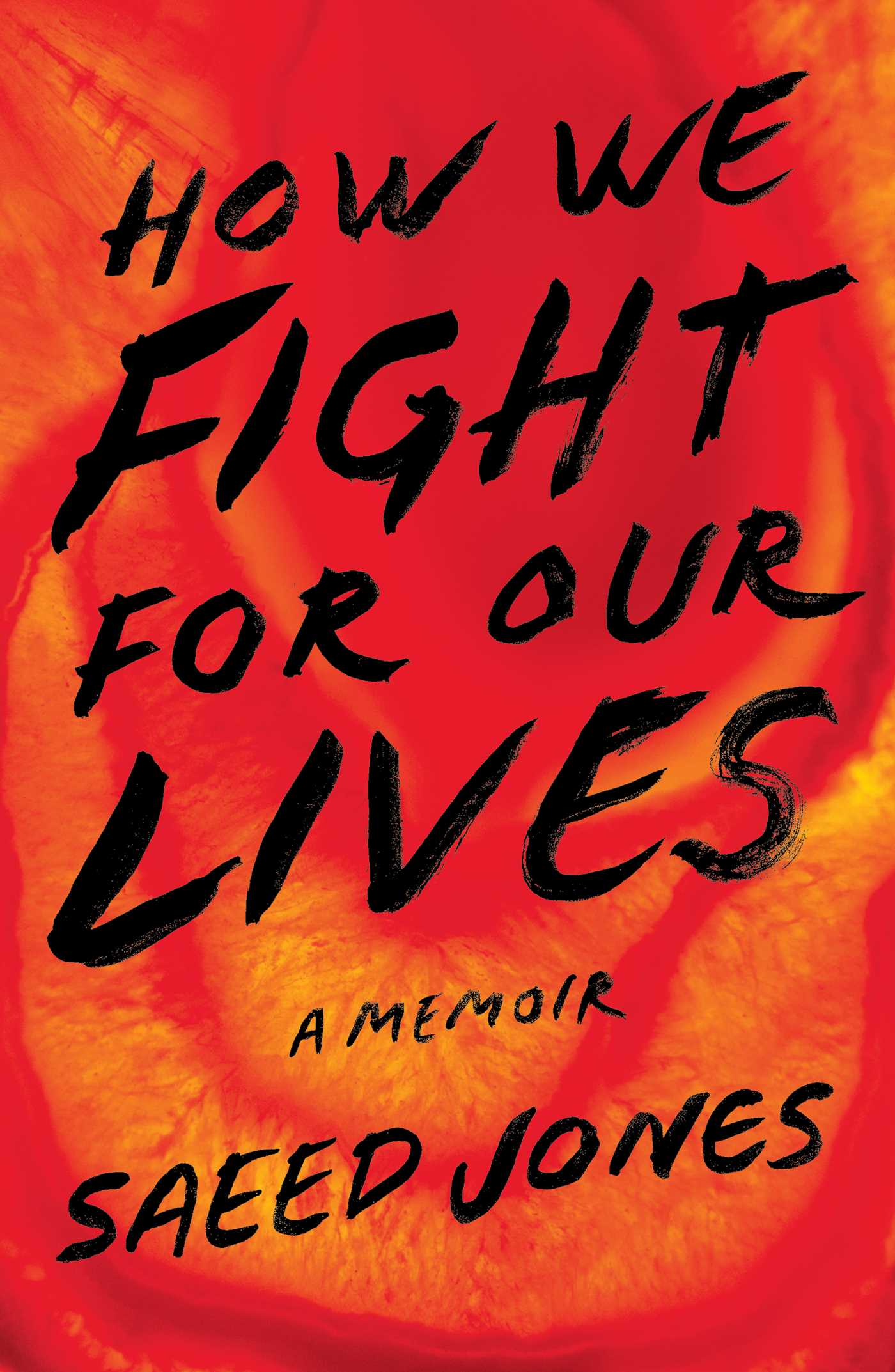
How We Fight For Our Lives cover
Archivist's Choice

How We Fight For Our Lives

Saeed Jones (2019)

Genre

Biography / Memoir

Reading Time

180 min

Key Themes

See below

Track Your Reading

Sign in to track this book

A young, Black, gay man journeys through the American South, navigating race, sexuality, and family to define his identity amid love, grief, and defiance.

Core Idea

Saeed Jones's "How We Fight For Our Lives" is a memoir about a Black, gay man growing up in the American South. The book shows that for people society marginalizes, survival is an active, often difficult, and continuous struggle to define and validate oneself against forces that try to erase or diminish one's existence. It suggests the body, language, and personal history are places where identity forms through conflict, silence, and eventual understanding. The memoir states that real freedom comes from facing past traumas, accepting all parts of one's identity, and finding one's voice to share a personal truth. This transforms living into a form of resistance and an ongoing act of becoming.
Reading time
180 min
Difficulty
Medium
✓ Read this if...
You are interested in a raw, poetic, and unflinching exploration of identity, race, queerness, and the profound challenges of self-discovery and survival in America. Ideal for readers seeking a powerful, personal narrative about overcoming trauma and finding one's voice.
✗ Skip this if...
You prefer memoirs with a more linear narrative structure, a lighter tone, or are not comfortable with explicit discussions of sex, violence, and racial/homophobic prejudice. This book can be emotionally demanding.

Core idea

The central argument and framework that powers the entire book.

Saeed Jones's "How We Fight For Our Lives" is a memoir about a Black, gay man growing up in the American South. The book shows that for people society marginalizes, survival is an active, often difficult, and continuous struggle to define and validate oneself against forces that try to erase or diminish one's existence. It suggests the body, language, and personal history are places where identity forms through conflict, silence, and eventual understanding.

The memoir states that real freedom comes from facing past traumas, accepting all parts of one's identity, and finding one's voice to share a personal truth. This transforms living into a form of resistance and an ongoing act of becoming.

At a glance

Reading time

180 min

Difficulty

Medium

Read this if...

You are interested in a raw, poetic, and unflinching exploration of identity, race, queerness, and the profound challenges of self-discovery and survival in America. Ideal for readers seeking a powerful, personal narrative about overcoming trauma and finding one's voice.

Skip this if...

You prefer memoirs with a more linear narrative structure, a lighter tone, or are not comfortable with explicit discussions of sex, violence, and racial/homophobic prejudice. This book can be emotionally demanding.

Key Takeaways

1

The Weight of Inheritance

Family legacies, both visible and invisible, shape our foundational sense of self and belonging.

Quote

The 'I' it seems doesn’t exist until we are able to say, 'I am no longer yours.'

Jones shows how the families we are born into, especially those with complex histories of race, class, and trauma, leave lasting marks. His story explores the love, expectations, and burdens passed down through generations of Black women in his family, and how these forces both helped and limited his developing identity. The memoir shows that creating an individual self often means a difficult separation from these inherited stories, a necessary break to define one's own terms of existence. This struggle is greater when one's identity...

Supporting evidence

Jones's tumultuous yet deeply loving relationship with his mother and grandmother, who represent the strength and resilience of Black women but also the limitations and unspoken expectations they carry. Their stories, often fragmented, form the backdrop against which Jones struggles to articulate his own desires.

Apply this

Reflect on the unspoken rules, expectations, and traumas passed down in your own family. Identify which of these serve you and which you need to consciously release to create space for your authentic self. Practice setting boundaries, even emotionally, with familial legacies that no longer align with your personal growth.


familial-legacyintergenerational-traumaidentity-formation
2

Queerness as a Site of Battle

Navigating queer identity, especially for Black men, is a constant negotiation of safety, desire, and self-acceptance.

Quote

To be a black queer boy in the South was to be a walking contradiction, a living question mark.

Jones vividly describes the challenges of being a young, Black, gay man in the American South. His experiences highlight the constant tension between being seen and being invisible, desire and danger. The memoir shows how discovering one's sexuality, especially when it is marginalized, forces a person to confront societal biases, internal shame, and the search for acceptance. His encounters, from brief hookups to important relationships, are not just sexual but deep explorations of power, vulnerability, and the desperate need for conn...

Supporting evidence

Jones recounts numerous encounters with men, some tender, many violent or exploitative, illustrating the complex and often dangerous landscape of queer desire in his youth. His internal struggle with shame and his external confrontations with homophobia are central.

Apply this

Seek out and cultivate communities where your full identity is celebrated and affirmed. Actively challenge internalised biases related to sexuality or gender. Understand that self-acceptance is an ongoing journey, particularly when societal norms are in opposition to one's authentic self.

queer-identityintersectionalityhomophobiaself-acceptance
3

The Body as a Battleground

The physical self becomes a canvas for societal pressures, racial assumptions, and personal desires, often leading to internal and external conflict.

Quote

Our bodies are not our own, not completely. They are also the property of history, of memory, of the state.

Jones’s memoir is very physical, rooting the ideas of race, sexuality, and power in the lived experience of his body. He shows how the Black male body, in particular, faces intense scrutiny, objectification, and violence. For Jones, his body is both a source of pleasure and a target of fear, a place where societal biases about race and queerness meet. The book reveals the constant negotiation of how one presents their body to the world, how it is perceived, and the struggle to regain control over it in the face of external forces.

Supporting evidence

Jones's descriptions of his physical appearance, his experiences with weight gain and loss, and the explicit details of his sexual encounters all underscore the centrality of the body. He frequently describes how his Black male body is perceived and reacted to by others, particularly white men.

Apply this

Practice radical self-acceptance of your physical self, understanding that societal beauty standards are often oppressive. Engage in mindful movement or practices that help you reconnect with your body as a source of strength and pleasure, rather than just an object of scrutiny. Challenge your own biases about different body types and expressions.

body-politicsracial-fetishizationbodily-autonomyself-perception
4

Language as Liberation

Poetry and prose become essential tools for understanding, articulating, and ultimately freeing oneself from inherited narratives.

Quote

I had to learn to speak myself into existence, to make a language for what I felt.

As a poet, Jones naturally uses language as a main way to discover and assert himself. His memoir shows how words can not only describe experience but also create new realities. Through his unique poetic prose, he builds a detailed story that allows him to express complex feelings, challenge societal norms, and claim his own story. The act of writing itself becomes a way to fight for his life, providing a space where he can be fully himself, unfiltered and honest, even when the outside world denies him that space.

Supporting evidence

The very structure and style of the memoir, which interweaves lyrical passages with direct, unflinching prose. Jones's deliberate choice of words and metaphors to convey the emotional landscape of his experiences, particularly those related to race and sexuality.

Apply this

Engage in journaling, creative writing, or other forms of expressive arts to process your experiences and articulate your inner world. Pay attention to the language you use to describe yourself and your life; consciously choose words that empower and affirm. Read more poetry to expand your emotional vocabulary.

poetic-proseexpressive-writingself-narrationliterary-memoir
5

The Unseen Costs of Silence

Unspoken truths and withheld feelings fester, often leading to internal conflict and strained relationships.

Quote

The things we don't say are often the loudest parts of our lives.

Jones's memoir highlights the deep impact of secrets and unspoken truths, especially within families and marginalized communities. He shows how the inability or unwillingness to express one's true self, due to fear, shame, or societal pressure, can lead to deep personal suffering and create distance in relationships. The book implies that while silence can sometimes be a survival tool, it also carries a heavy psychological cost, preventing real connection and slowing the path to self-acceptance. Writing the memoir itself is a way of b...

Supporting evidence

The gaps and ellipses in family history, particularly concerning his mother's past and the complex unspoken dynamics between family members. Jones's own initial silence about his sexuality and the internal turmoil it caused.

Apply this

Identify areas in your life where you might be holding back your truth. Practice expressing your feelings and needs assertively, even when it feels uncomfortable. Seek out safe spaces and trusted individuals with whom you can share your authentic self without fear of judgment.

emotional-suppressionvulnerabilityauthentic-expressioninterpersonal-communication
6

The Search for Witness

To be truly seen and understood is a fundamental human need, especially for those whose identities are often overlooked or invalidated.

Quote

I was looking for someone to see me, to hold me without breaking me.

Throughout his journey, Jones deeply searches for someone who can truly see his complex identity—his Blackness, his queerness, his vulnerability—without reducing him to a stereotype or a fetish. This search drives many of his relationships and encounters. The memoir shows the deep human need for recognition and validation, especially for those on the edges of society. When such witnessing is absent, a person can feel deeply alone, invisible, or misunderstood, making self-definition even more important.

Supporting evidence

Jones's descriptions of his relationships with various men, some of whom offer fleeting moments of genuine connection, while others reinforce his sense of being objectified or misunderstood. His longing for a deep, reciprocal understanding is a recurring theme.

Apply this

Cultivate relationships with people who actively listen and seek to understand your full self, rather than just parts of you. Practice being a better witness for others, listening deeply and affirming their experiences. Understand that not everyone will be able to see you fully, and that's okay.

validationempathybelonginginterpersonal-connection
7

Trauma's Lingering Echoes

Past traumas, both personal and systemic, cast long shadows, influencing present choices and perceptions.

Quote

Some things don’t just pass. They settle into the bones.

Jones illustrates how trauma, whether from childhood experiences, racial violence, or homophobic encounters, does not simply disappear. Instead, it becomes deeply ingrained, influencing his relationships, his self-worth, and his ability to trust. The memoir reveals the subtle ways that past wounds can shape one's present reality, often leading to cycles of pain or self-sabotage. It stresses the importance of acknowledging and processing these echoes to break free from their hold and move towards healing.

Supporting evidence

Jones's recurring reflections on moments of childhood vulnerability, instances of racial prejudice, and violent sexual encounters, and how these experiences continue to inform his adult relationships and emotional landscape.

Apply this

Recognize how past traumas might be influencing your current behaviors and emotional responses. Seek support through therapy, journaling, or trusted confidantes to process these experiences. Practice self-compassion and patience as you navigate the healing journey.

healingpost-traumatic-growthemotional-processingresilience
8

The Power of Reckoning

Confronting difficult truths about oneself and one's past is a painful yet essential step toward personal freedom.

Quote

To fight for your life is to finally face the mirror, even if what you see scares you.

The memoir's title, 'How We Fight For Our Lives,' sums up the main idea of active, often painful, self-confrontation. Jones’s story is a constant reckoning with his own desires, fears, mistakes, and the societal forces that shaped him. This process of acknowledging difficult truths, both inside and out, is presented as a necessary act of liberation. It is not about reaching a perfect state, but about continuously engaging in the battle for self-knowledge and authenticity, even when it means letting go of cherished illusions or facing ...

Supporting evidence

The raw honesty with which Jones recounts his most vulnerable and even shameful moments, his willingness to examine his own complicity in certain dynamics, and his unflinching gaze at the realities of racism and homophobia.

Apply this

Regularly engage in self-reflection, even on uncomfortable topics. Practice radical honesty with yourself and others, understanding that truth, while sometimes painful, is ultimately liberating. Be willing to challenge your own narratives and beliefs.

self-discoveryauthenticitypersonal-growthcourage
9

Love's Many Forms

Love is a complex, multifaceted force, encompassing both profound connection and devastating pain.

Quote

Love is not a single thing. It is a thousand things, some beautiful, some brutal.

Jones explores love in all its messy, conflicting forms: the fierce, complicated love of family, the exciting and sometimes dangerous love of partners, and the elusive love of self. He shows that love is rarely simple; it can be mixed with control, fear, and misunderstanding, yet it remains a basic human drive. The memoir suggests that understanding love's complexities—its ability to both uplift and wound—is important for navigating relationships and, ultimately, for self-acceptance. It is a reminder that even in its most painful form...

Supporting evidence

The deep, albeit often strained, love he shares with his mother and grandmother. His passionate, sometimes destructive, romantic and sexual relationships. The moments of genuine tenderness and understanding he finds amidst the chaos.

Apply this

Examine the different forms of love in your life, acknowledging both their joys and their challenges. Practice unconditional love for yourself, recognizing your own imperfections. Understand that genuine love often requires vulnerability and the willingness to experience pain alongside joy.

unconditional-loverelationship-dynamicsemotional-complexityself-love
10

The Ongoing Act of Becoming

Identity is not a fixed destination but a continuous process of evolution, struggle, and redefinition.

Quote

People don’t just happen. We sacrifice former versions of ourselves.

Jones concludes that the 'fight for our lives' is not a single event but an ongoing, lifelong process. The memoir, through its non-linear stories, shows that identity is fluid, always being shaped and reshaped by experiences, relationships, and internal changes. There is no final 'arrival' at a fully formed self, but rather a continuous journey of letting go of old ways, embracing new understandings, and asserting one's evolving truth. This view offers comfort, suggesting that growth is always possible, even amid deep challenges.

Supporting evidence

The memoir's structure itself, a series of snapshots rather than a linear progression, reflects the non-linear nature of self-discovery. Jones's reflections on different periods of his life and how his understanding of himself and the world changed.

Apply this

Embrace the idea that your identity is dynamic and open to change. Regularly check in with your values and desires, allowing yourself the freedom to evolve. Practice self-compassion during periods of transition and uncertainty, understanding that 'becoming' is a natural and lifelong process.

personal-evolutionself-actualizationlife-journeyidentity-fluidity

Critical analysis

Notable Quotes

I am not a monster. I am not a victim. I am a man. I am a black man. I am a queer man. I am a black queer man.

Jones reflecting on his identity and refusing simple categorization.

My mother has given me a blackness that is both shield and weapon.

Describing his mother's influence on his understanding of his racial identity.

To be a black man in America is to always be fighting for your life.

A central theme of the memoir, highlighting the constant struggle faced by Black men.

I am learning to love the parts of myself that I was taught to hate.

Reflecting on his journey of self-acceptance, particularly regarding his sexuality.

Silence is not always consent. Sometimes it’s survival.

Discussing the reasons for not speaking out or conforming in certain situations.

Grief is a house with many rooms, and I was learning to live in all of them.

Jones's experience with loss and the multifaceted nature of grief.

Love, in my family, was often a thing that had to be earned, proven, or even fought for.

Reflecting on the complex dynamics of love within his family.

I was looking for a language to describe what it felt like to be me.

His quest for self-understanding and expression as a young, queer Black man.

Sometimes the safest place to be is inside your own head.

A reflection on introspection and finding solace in one's own thoughts amidst external pressures.

My body was a battlefield, and I was both the soldier and the war.

Describing the internal conflict and external pressures related to his body and identity.

The hardest part of growing up is realizing that not everyone will love you, no matter how much you try to make them.

A poignant realization about the limits of external validation and the importance of self-acceptance.

Memory is a kind of haunting. It’s a ghost that follows you, sometimes a benevolent one, sometimes not.

Reflecting on the power and persistence of memories, both good and bad.

There are some wounds that never close, only scar over.

Acknowledging the lasting impact of trauma and the process of healing.

To be a man is to know how to be gentle, too.

Challenging traditional notions of masculinity and advocating for tenderness and emotional depth.

Quiz

Test Your Knowledge

Ready to see how well you understood this book? Take our interactive quiz with 10 questions.

10
Questions
~5
Minutes
?
Best Score

Key Questions (FAQ)

'How We Fight For Our Lives' explores the complex journey of self-discovery for a young, Black, gay man navigating the intersections of race, sexuality, and power in the American South. It delves into the sacrifices made to forge an individual identity separate from familial and societal expectations.

About the author