History as a Continuous Flow
Rejecting isolated national histories for an interconnected global narrative.
Quote
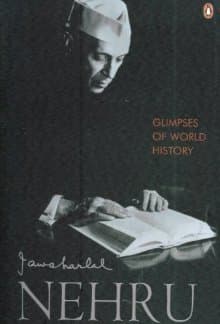
I do not want you to have a narrow outlook, for the world is a wonderful place and is growing more and more interdependent.
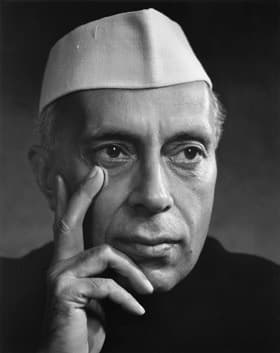
Nehru argues against the common practice of teaching history in separate national stories. He states that human civilization is a single, connected whole, where events in one part of the world affect others. This view, new for its time, highlights humanity's shared journey rather than a series of separate, often competitive, national stories. He combines the stories of ancient civilizations, the rise and fall of empires, and the spread of ideas and religions across continents, showing how the Silk Road, the spread of Buddhism, or the ...
Supporting evidence
Nehru's extensive coverage of the Silk Road's influence on both Eastern and Western cultures, the interconnectedness of the Roman Empire's decline with events in Persia, and the global impact of the Industrial Revolution.
Apply this
When studying any historical event, actively seek out its connections to other regions and cultures. Consider how global forces might have shaped local developments and vice versa. Challenge narratives that present history as a series of purely national achievements or failures.