BookBrief
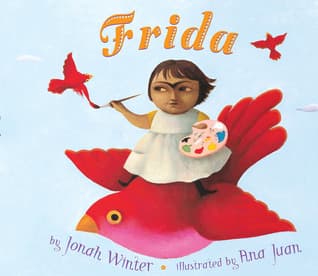
Frida cover
Archivist's Choice

Frida

Jonah Winter (2002)

Genre

Biography / History / Children's / Creativity

Reading Time

10 min

Key Themes

See below

Track Your Reading

Sign in to track this book

Frida Kahlo turned life's hardest moments and greatest joys into lasting art, from her father's color lessons to the raw depiction of polio and bus crash pain.

Core Idea

Jonah Winter's "Frida" shows how Frida Kahlo's physical pain and emotional struggles were not just problems but key reasons for her art. The book says Frida used her pain, unique look, and culture to create a strong visual language. This shows how art can be a personal comfort and a bold statement of who someone is. It highlights how her childhood, marked by illness and a strong connection to her surroundings, prepared her for a creative life that would later capture her identity and struggles in paintings.
Reading time
10 min
Difficulty
Easy
✓ Read this if...
You are looking for an accessible, inspiring introduction to Frida Kahlo's life and art for young readers, or if you appreciate biographies that connect personal suffering to creative output.
✗ Skip this if...
You are seeking an in-depth, academic analysis of Frida Kahlo's work or a comprehensive biography for adult readers.

Core idea

The central argument and framework that powers the entire book.

Jonah Winter's "Frida" shows how Frida Kahlo's physical pain and emotional struggles were not just problems but key reasons for her art. The book says Frida used her pain, unique look, and culture to create a strong visual language. This shows how art can be a personal comfort and a bold statement of who someone is. It highlights how her childhood, marked by illness and a strong connection to her surroundings, prepared her for a creative life that would later capture her identity and struggles in paintings.

At a glance

Reading time

10 min

Difficulty

Easy

Read this if...

You are looking for an accessible, inspiring introduction to Frida Kahlo's life and art for young readers, or if you appreciate biographies that connect personal suffering to creative output.

Skip this if...

You are seeking an in-depth, academic analysis of Frida Kahlo's work or a comprehensive biography for adult readers.

Key Takeaways

1

Art as Solace in Suffering

Frida Kahlo transformed immense physical and emotional pain into her most profound artistic expressions.

Quote

When polio kept her bedridden for nine months, drawing saved her from boredom. When a bus accident left her in unimaginable agony, her paintings expressed her pain and depression - and eventually, her joys and her loves.

Frida Kahlo's life included many physical and emotional challenges. From childhood polio that left her with a weak leg to a bad bus accident that broke her spine and pelvis, she dealt with constant pain and many surgeries. Instead of giving up, Kahlo put her suffering into her art. Her paintings became a visual record of her pain, operations, miscarriages, and deep emotional hurts. This process was not just about feeling better; it changed things, letting her show her inner world and create a unique visual language for common human ex...

Supporting evidence

The book highlights her experiences with polio and the bus accident, stating that drawing and painting were her salvation and a means to express her pain and depression.

Apply this

When facing personal adversity, consider engaging in a creative outlet – be it writing, painting, music, or crafting – to process emotions and transform difficult experiences into a form of expression. This can provide a sense of agency and meaning.

art-therapyresilienceself-expression
2

Childhood Influences on Creativity

Early guidance and personal challenges shaped Frida's artistic foundation.

Quote

When her mother was worn out from caring for her five sisters, her father gave her lessons in brushwork and color.

Frida Kahlo started her art journey not in a formal school, but with lessons from her father. In a house full of sisters and a tired mother, her photographer father saw and encouraged her early talent. He taught her the basics of painting and color, which helped her later with more complex works. This early, close teaching, along with being alone due to polio, which made her draw to entertain herself, shows how early experiences and supportive people in childhood can greatly affect a person's creative growth. It suggests that a child'...

Supporting evidence

The book explicitly states her father taught her 'lessons in brushwork and color' when her mother was busy, and that drawing 'saved her from boredom' during polio.

Apply this

For parents or mentors, actively engage with and encourage a child's natural inclinations and curiosity, even if it seems informal. Provide tools and guidance, allowing them to explore and develop skills that might become lifelong passions.

early-educationmentorshipcreative-development
3

Embracing Individuality Through Art

Kahlo's unique style and subject matter defied conventions, establishing her distinct artistic voice.

Quote

Over and over again, Frida Kahlo turned the challenges of her life into art.

Frida Kahlo's art is easy to spot because it shows her life, identity, and Mexican background in a very personal, often dreamlike yet real way. Unlike many artists who showed outside things or big stories, Kahlo looked inward. She focused on self-portraits that showed her physical and emotional states, her body, and her cultural roots. This firm dedication to her own story, despite the art trends of her time, let her make her own unique art path. Her work strongly supports the idea that real art often comes from truly and openly explo...

Supporting evidence

The book emphasizes her transformation of 'challenges of her life into art,' implying a highly personal and autobiographical approach to her work.

Apply this

Instead of trying to emulate others or fit into existing molds, focus on what makes your own perspective, experiences, or background unique. Use these elements as the foundation for your creative or professional expression to cultivate an authentic voice.

authenticitypersonal-narrativeartistic-identity
4

The Power of Visual Storytelling

Kahlo's paintings transcended words, communicating complex emotions and experiences directly.

Quote

her paintings expressed her pain and depression - and eventually, her joys and her loves.

Frida Kahlo was excellent at telling stories visually. Her paintings are full of symbols and stories, letting viewers see her inner world without needing many words. She showed her physical injuries honestly, her emotional upset through dreamlike pairings, and her cultural pride with bright images. This ability to share deep and often hard subjects purely through pictures is a sign of her skill. It reminds us that art can often show feelings and depths that words alone cannot, making a direct and strong connection with the audience. H...

Supporting evidence

The text states her paintings 'expressed' her emotions, implying a direct visual communication of complex feelings.

Apply this

When communicating complex ideas or emotions, consider incorporating visual elements – images, diagrams, or even metaphors – to enhance understanding and create a more impactful message. A picture can indeed be worth a thousand words.

visual-communicationsymbolism-in-artnarrative-art
5

Resilience in the Face of Adversity

Frida's life exemplified an unyielding spirit, turning every setback into a creative opportunity.

Quote

Over and over again, Frida Kahlo turned the challenges of her life into art.

Frida Kahlo's life showed great strength. From polio at age six to the terrible bus accident in her late teens that left her with constant pain and many surgeries, she faced huge physical and emotional hardship. Yet, each problem seemed to fuel her art drive. Her time in bed became chances for deep thought and painting. Her physical pain directly shaped her most famous works, turning personal sadness into universal art. This ongoing process of turning pain into work, and challenge into creative output, shows a strong human ability to ...

Supporting evidence

The recurring phrase 'Over and over again, Frida Kahlo turned the challenges of her life into art' directly speaks to her resilience and transformative process.

Apply this

When confronted with significant challenges, consciously seek ways to reframe the situation. Can this obstacle be a catalyst for learning a new skill, developing a new perspective, or creating something meaningful? Focus on adaptation and creative problem-solving.

gritpost-traumatic-growthcoping-mechanisms
6

Art as a Reflection of Identity

Her work was a profound exploration and affirmation of her multifaceted identity.

Quote

her paintings expressed her pain and depression - and eventually, her joys and her loves.

Frida Kahlo's art is closely tied to who she was. Her self-portraits, which make up much of her work, are not just pictures of her face but deep looks into her mind. They show her Mexican background through traditional clothes and symbolic animals, her bisexuality, her physical pain, and her complex emotional life, especially her difficult relationship with Diego Rivera. Through her art, she built and took apart her own image, showing her individuality and questioning social rules. This shows how art can be a strong way to learn about...

Supporting evidence

The book mentions her paintings expressing 'her joys and her loves,' which are integral parts of her personal identity and relationships.

Apply this

Engage in creative activities that allow you to explore different facets of your identity. This could be journaling, photography, or even dressing in ways that express your true self. Use these outlets to deepen your understanding and acceptance of who you are.

identity-formationcultural-identityself-portraiture
7

The Interplay of Life and Art

Frida Kahlo's biography and artistic output were profoundly, almost indistinguishably, intertwined.

Quote

Now Jonah Winter and Ana Juan have drawn on both the art and the life to create a playful, insightful tribute to one of the twentieth century's most influential artists.

For Frida Kahlo, her life and her art were one. Every major event, every physical illness, every emotional upset appeared in her paintings. Her art was a direct, clear response to her life, making it deeply about herself. This close link between her life experiences and her art is what gives her work its raw power and lasting appeal. It suggests that the most interesting art often comes from an artist's real connection with their own life story, where a personal story becomes a common idea. Understanding her art means understanding he...

Supporting evidence

The book explicitly states it 'drawn on both the art and the life,' indicating their inseparable nature.

Apply this

Reflect on how your personal experiences, values, and struggles influence your work or creative projects. Allow your authentic self to inform your output, recognizing that your unique perspective is a valuable asset.

autobiographical-artart-historybiographical-criticism
8

Art as a Legacy of Influence

Frida Kahlo's impact continues to resonate, inspiring artists and audiences globally.

Quote

one of the twentieth century's most influential artists.

Despite having fewer works than some artists of her time, Frida Kahlo is known as one of the most important artists of the twentieth century. Her unique mix of dreamlike art, folk art, and very personal stories has inspired many artists, feminists, and cultural movements. Her honest way of showing her pain, identity, and Mexican background broke new ground and still encourages people to express their own truths. The book's mention of her influence shows how art, born from personal struggle and a unique vision, can go beyond its first ...

Supporting evidence

The book concludes by calling her 'one of the twentieth century's most influential artists,' directly stating her lasting impact.

Apply this

Consider the long-term impact of your creative or professional contributions. How can your work contribute to a larger conversation or inspire others? Aim for authenticity and substance that can create a lasting legacy.

artistic-influencecultural-impactfeminist-art

Critical analysis

Notable Quotes

She painted her own pain, her own struggles, her own heart, and in doing so, she painted for all of us.

Describing Frida's approach to her art and its universal appeal.

Frida learned to walk again, but her body was never the same. And neither was her art.

Referring to the aftermath of her bus accident and its impact on her life and work.

Her paintings were like windows into her soul, sometimes bright and colorful, sometimes dark and full of sorrow.

Explaining the emotional range and deeply personal nature of Frida's artwork.

She painted herself over and over, not because she was vain, but because she was often alone, and she knew herself best.

Providing insight into why Frida frequently painted self-portraits.

Frida's artwork was a diary without words, a way to tell her story when words weren't enough.

Highlighting the narrative and autobiographical aspect of her painting.

Even when her body was broken, her spirit soared through her brushstrokes.

Emphasizing Frida's enduring creative spirit despite physical suffering.

Her paintings were a blend of reality and dream, a world only Frida could see and share.

Describing the unique surrealist and imaginative elements in her work.

Frida wore her heart on her canvas, unafraid to show the world her deepest feelings.

Commenting on Frida's emotional honesty and vulnerability in her art.

She turned her pain into power, her sorrow into beauty.

Summarizing how Frida transformed her personal struggles into artistic strength.

Frida didn't just paint what she saw; she painted what she felt.

Distinguishing Frida's emotional and internal focus from purely observational art.

Her art was a bridge between her inner world and the outer world, inviting others to cross.

Illustrating how Frida's art connected her personal experiences with a broader audience.

She was a rebel with a paintbrush, painting her own rules, her own truth.

Portraying Frida as an independent and unconventional artist.

Frida's colors were as vibrant as her spirit, even when her life was tinged with gray.

Noting the vivid use of color in her paintings despite her personal hardships.

Her paintings whisper stories of love, loss, and the unbreakable human spirit.

Concluding thought on the enduring themes and emotional depth of Frida's body of work.

Quiz

Test Your Knowledge

Ready to see how well you understood this book? Take our interactive quiz with 10 questions.

10
Questions
~5
Minutes
?
Best Score

Key Questions (FAQ)

'Frida' by Jonah Winter is a children's biography of the iconic artist Frida Kahlo. It explores how Kahlo transformed the numerous challenges and hardships in her life, such as polio and a severe bus accident, into powerful and expressive works of art.

About the author