BookBrief
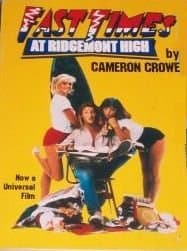
Fast Times at Ridgemont High cover
Archivist's Choice

Fast Times at Ridgemont High

Cameron Crowe (1981)

Genre

Biography / Memoir

Reading Time

5-6 hours

Key Themes

See below

Track Your Reading

Sign in to track this book

A 22-year-old journalist goes undercover as a high school student, chronicling the daily lives of horny, wasted, and directionless teens in 1979 Southern California.

Core Idea

Cameron Crowe's "Fast Times at Ridgemont High" is a work of immersive journalism. It shows the insights an adult gains by re-entering high school undercover. The book argues that the world of teenagers, while appearing superficial, is a complex place driven by adolescent concerns with sex, status, and identity. These concerns often conflict with adult authority. Through vivid, unfiltered stories, Crowe reveals the true nature of youth. He challenges the idea of 'wasted' years by showing the emotional effort and social navigation involved in teenage life. It proposes that peer culture is the main force shaping adolescent reality, often more important than parents and educators. The book also notes the quiet dedication of some adults who try to connect. It says that the everyday details of high school life, when observed without judgment, offer a rich view of human experience, showing the lasting worries and optimism of youth.
Reading time
5-6 hours
Difficulty
Easy
✓ Read this if...
You're interested in the sociology of adolescence, the power of immersive journalism, or want to understand the authentic, unfiltered high school experience beyond stereotypes.
✗ Skip this if...
You're looking for a plot-driven narrative with a clear protagonist, prefer purely academic analyses, or are uncomfortable with frank discussions of teenage sexuality and drug use.

Core idea

The central argument and framework that powers the entire book.

Cameron Crowe's "Fast Times at Ridgemont High" is a work of immersive journalism. It shows the insights an adult gains by re-entering high school undercover. The book argues that the world of teenagers, while appearing superficial, is a complex place driven by adolescent concerns with sex, status, and identity. These concerns often conflict with adult authority. Through vivid, unfiltered stories, Crowe reveals the true nature of youth. He challenges the idea of 'wasted' years by showing the emotional effort and social navigation involved in teenage life. It proposes that peer culture is the main force shaping adolescent reality, often more important than parents and educators. The book also notes the quiet dedication of some adults who try to connect. It says that the everyday details of high school life, when observed without judgment, offer a rich view of human experience, showing the lasting worries and optimism of youth.

At a glance

Reading time

5-6 hours

Difficulty

Easy

Read this if...

You're interested in the sociology of adolescence, the power of immersive journalism, or want to understand the authentic, unfiltered high school experience beyond stereotypes.

Skip this if...

You're looking for a plot-driven narrative with a clear protagonist, prefer purely academic analyses, or are uncomfortable with frank discussions of teenage sexuality and drug use.

Key Takeaways

1

Undercover Immersion: The Ultimate Research Method

Crowe's audacious decision to re-enter high school as a student yielded unparalleled authenticity.

Quote

I was going to be an active participant in the daily life of Ridgemont High, not just an observer.

Cameron Crowe, at 22, became a student instead of just interviewing them. This approach helped him avoid the artificial behavior often seen when teenagers know they are being studied. By living within the social system, attending classes, navigating the cafeteria, and experiencing homework and social hierarchies, Crowe gained a true, direct understanding of adolescent life in 1979. This method, though ethically complex today, was important for capturing the unfiltered truth of the Ridgemont High experience. It shows the power of deep,...

Supporting evidence

Crowe's initial meeting with Principal William Gray to gain permission to attend classes for a full school year, documenting his day-to-day journal entries.

Apply this

When seeking to understand a specific subculture or environment, consider levels of immersion beyond typical observation. Engage with the community, participate in their routines, and experience their challenges firsthand to gain deeper, more authentic insights, always with ethical considerations paramount.

ethnographyparticipant-observationimmersive-journalism
2

The Universal Adolescent Preoccupation: Sex and Status

Despite the era, the core drivers of high school social dynamics remain remarkably consistent.

Quote

It was a constant hum beneath every conversation, every interaction: who's with whom, who wants whom, and what does it say about you?

Crowe's journal details the constant focus on sex and social status among Ridgemont High students. From Brad Hamilton trying to manage his relationship with Stacy to Mike Damone's pursuit of women and Jeff Spicoli's relaxed, but still status-aware, life, these topics are central. The desire for romantic connection, sexual experience, and the social value associated with them shapes friendships, rivalries, and self-perception. This suggests that while external factors like technology and fashion change, the basic psychological and biol...

Supporting evidence

The numerous anecdotes involving romantic pursuits, 'scoring,' and the constant gossip about who was dating or 'making out' with whom, alongside the detailed descriptions of the cafeteria's social pecking order.

Apply this

When engaging with or trying to understand adolescent populations, recognize that underlying motivations often revolve around belonging, acceptance, and burgeoning sexuality. Design communication and environments that acknowledge these fundamental drives, rather than dismissing them as superficial.

adolescent-psychologysocial-dynamicsteenage-sexuality
3

The Illusion of 'Wasted' Youth: More Than Meets the Eye

Beneath the surface of seemingly 'wasted' teenagers lies genuine confusion and a search for meaning.

Quote

They were 'horny and wasted semi-blank adults who don't know a thing about their future,' but they were also searching, sometimes desperately, for a path.

The book's initial description of students as 'horny and wasted semi-blank adults' is a strong, but ultimately superficial, statement. Crowe's experience reveals that beneath the hedonism and apparent lack of interest, these teenagers are dealing with big questions about identity, purpose, and the challenging move to adulthood. Their 'wasted' moments are often a way to cope with uncertainty, to rebel against perceived societal expectations, or to fill the void of not knowing what comes next. This challenges the easy dismissal of adole...

Supporting evidence

The internal monologues and observations about individual students' anxieties regarding college applications, job prospects, and the pressure to 'figure things out,' even amidst their partying and casual relationships.

Apply this

Avoid quick judgments about seemingly disengaged youth. Instead, seek to understand the underlying anxieties, pressures, and developmental stages that might manifest as apathy or hedonism. Offer support and guidance that addresses their deeper uncertainties, rather than just criticizing their surface behaviors.

adolescent-developmentidentity-formationyouth-culture
4

The Power of Peer Culture Overrides Authority

In the high school ecosystem, the influence of friends and social groups often trumps adult guidance.

Quote

What your friends thought of you, and what they expected, often mattered more than what any teacher or parent said.

Crowe's observations show the great power of peer culture within Ridgemont High. Decisions about fashion, music, relationships, and even academic effort are strongly influenced by the immediate social group. Teachers and administrators, despite their authority, are often not central to students' most important concerns. This is clear in the secret activities, shared secrets, and collective disregard for rules. The book shows how, during adolescence, the need for belonging and acceptance from peers becomes a strong force, shaping behav...

Supporting evidence

The detailed descriptions of cliques, the pressure to conform to group norms (e.g., smoking pot, skipping class), and the way students navigated social hierarchies, often in direct contrast to school rules or parental advice.

Apply this

For educators and parents, understand that direct commands often have less impact than fostering positive peer environments. Encourage healthy friendships, facilitate group activities that promote positive values, and empower peer leaders to influence their circles positively, recognizing the natural human need for social connection and acceptance.

peer-pressuresocial-influenceadolescent-sociology
5

The Unsung Heroes: Dedicated Educators Amidst Apathy

Despite the students' focus on social lives, pockets of dedicated teachers genuinely strove to make a difference.

Quote

Amidst the chaos and the constant social hum, there were still teachers who genuinely believed in what they were doing, even if the students didn't always show it.

While the story often highlights students' lack of interest in academics, Crowe's journal subtly shows moments where teachers truly try to connect and inspire. These educators, often dealing with student apathy and limited resources, represent an important, though sometimes overlooked, part of the high school experience. Their efforts, whether in a history lesson or a guidance counseling session, offer glimpses of hope and possible direction for students who might otherwise feel lost. This reminds us not to judge all parts of the educ...

Supporting evidence

Crowe's descriptions of specific teachers (e.g., Mr. Hand) and their earnest attempts to engage students, despite the students' frequent distractions or disinterest. The moments where a teacher's words, even if initially ignored, might plant a seed of thought.

Apply this

Recognize and support the individual efforts of dedicated educators. For those working in education, understand that even small, consistent efforts can have a long-term impact, even if immediate results aren't visible. Focus on creating meaningful connections, as these often resonate more than purely didactic instruction.

educational-dedicationteacher-impactclassroom-dynamics
6

The Mundane as Meaningful: Finding Narrative in Everyday Life

Crowe's genius lies in elevating the seemingly unremarkable details of high school life into compelling narrative.

Quote

It was in the minutiae – the cafeteria food, the hallway gossip, the bell schedule – that the real story resided.

The book is not driven by unusual events but by many ordinary moments: the boredom of class, the awkwardness of a first kiss, the tension of a locker-room encounter. Crowe's journalistic eye turns these everyday details into a rich account of adolescent experience. He shows that deep insights into human nature, social structures, and personal growth can be found not just in dramatic turning points, but in the daily routines and interactions that shape our lives. This approach shows the value of careful observation and detailed documen...

Supporting evidence

The day-by-day journal format itself, which meticulously logs everything from specific conversations and classroom observations to personal reflections on cafeteria food and the anxieties of asking someone out.

Apply this

Practice mindful observation in your own life. Recognize that valuable insights and compelling stories often hide in plain sight, within your daily routines and interactions. Keep a journal to capture these details, as they can reveal patterns and truths that are easily overlooked.

narrative-journalismeveryday-lifeobservational-writing
7

The Enduring Anxiety of the Futureless Present

Many students live intensely in the present, often paralyzed by uncertainty about what comes next.

Quote

The future was a vague, distant concept, often overshadowed by the immediate gratification or anxiety of the day.

A constant theme throughout the book is the students' sense of living in a continuous present, often without a clear vision or plan for the future. For some, like Jeff Spicoli, this appears as a deliberate, relaxed detachment. For others, it is a source of quiet worry and confusion. The move from the structured world of high school to the unknown of adulthood is daunting, and many students cope by focusing on immediate social satisfaction, escape, or simply avoiding the topic. This shows a common adolescent struggle: the tension betwe...

Supporting evidence

The casual discussions about college or jobs that often lead to shrugs or changes of subject, contrasting with the intense focus on weekend plans, parties, or immediate romantic interests. Spicoli's iconic 'All I need are some tasty waves, a cool buzz, and I'm fine' encapsulates this present-focused mindset.

Apply this

When guiding young people, acknowledge and validate their present experiences, but also gently encourage exploration of future possibilities without adding undue pressure. Break down future goals into smaller, manageable steps, and provide resources for self-discovery rather than imposing rigid paths.

adolescent-anxietyfuture-uncertaintypresent-bias
8

The Fragility of Adolescent Identity

High school is a crucible where identities are constantly tested, performed, and often shattered.

Quote

Every day was a performance, a test of who you were, or who you were trying to be, in front of the harshest critics: your peers.

Crowe's observations clearly show how fluid and fragile adolescent identities are. Students try different roles, experiment with social positions, and constantly adjust based on peer feedback and perceived expectations. Brad's struggle to maintain his 'cool' image, Stacy's navigation of her self-worth through relationships, and the various cliques' strong, yet often superficial, identities all show this. The high school environment is a constant testing ground where one's sense of self is always being built, open to both external judg...

Supporting evidence

Brad's internal conflict regarding his job, his relationship, and his social standing; Stacy's emotional rollercoaster tied to her romantic experiences; the distinct, often stereotypical, identities adopted by different social groups.

Apply this

Foster environments where young people feel safe to explore different aspects of their identity without fear of harsh judgment. Encourage self-reflection and provide opportunities for constructive feedback. Remind them that identity is a journey, not a fixed destination, and that authenticity is more valuable than performance.

identity-crisisself-perceptionsocial-performance
9

The Timelessness of Teenage Angst and Optimism

Despite the specific era, the emotional spectrum of adolescence remains universally recognizable.

Quote

The details change – the music, the fashion, the slang – but the core feelings of confusion, longing, frustration, and fleeting joy are eternal.

While 'Fast Times at Ridgemont High' is set in 1979 Southern California, its emotional core goes beyond that specific time. The worries of first love, the thrill of rebellion, the pain of rejection, the desire for independence, and the fleeting moments of pure joy are emotions that are felt across generations. Crowe's success is in tapping into these universal human experiences, showing that beneath the surface of bell bottoms and classic rock, teenagers of any decade deal with similar emotional experiences. This makes the book not ju...

Supporting evidence

The vivid portrayal of emotional highs and lows experienced by characters like Stacy (first love, heartbreak), Brad (frustration, embarrassment, fleeting success), and Spicoli (unbridled, simple joy), all of which feel relatable despite the 1979 setting.

Apply this

When connecting with younger generations, look beyond superficial differences in trends and culture. Focus on understanding and validating the underlying emotions and developmental stages they are experiencing, recognizing that human feelings of angst, hope, and confusion are largely constant.

universal-emotionsadolescent-experiencegenerational-continuity

Critical analysis

Notable Quotes

No shirt, no shoes, no dice.

Spicoli's often-repeated mantra regarding school rules.

All I need are some tasty waves, a cool buzz, and I'm fine.

Spicoli outlining his simple desires in life.

Learn it. Know it. Live it.

Mr. Hand's stern advice to his students, especially about history.

What are you, a pervert?

Stacy's annoyed reaction to Mike Damone's forwardness.

Surfing's not a sport, it's a way of life. It's no hobby. It's a way of looking at that wave and saying, 'Hey bud, let's party!'

Spicoli defending the importance and philosophy of surfing.

I can't believe I'm doing this.

Brad Hamilton's internal thought during his embarrassing pirate costume incident at the burger joint.

You know, one thing about being a senior is you gotta look out for your own.

Mike Damone giving advice to younger students.

Relax, all right? My dad is a television repairman, he's got this ultimate set of tools. I can fix it.

Spicoli's casual reassurance after damaging Mr. Hand's car.

There's nothing wrong with being a virgin. It's just a matter of time.

Linda Barrett's comforting words to Stacy.

You guys are all right. Don't let anybody tell you different.

Mr. Hand's surprisingly warm parting words to his class at the end of the year.

It's like, a totally awesome party.

A common phrase used by students to describe social gatherings.

You mess with the bull, you get the horns.

Mr. Hand's warning to Spicoli regarding his behavior.

I just want to be treated like a human being.

Brad Hamilton's frustration with his job and life situation.

I'm a little busy here, Spicoli. My time is valuable.

Mr. Hand's exasperated response to Spicoli's interruptions.

Quiz

Test Your Knowledge

Ready to see how well you understood this book? Take our interactive quiz with 10 questions.

10
Questions
~5
Minutes
?
Best Score

Key Questions (FAQ)

'Fast Times at Ridgemont High' is a non-fiction book by Cameron Crowe, chronicling his undercover experience as a 22-year-old posing as a high school student. He spent a full school year at Ridgemont High in Redondo Beach, California, documenting the day-to-day lives, thoughts, and experiences of the students.

About the author

Cameron Crowe

Cameron Crowe is an acclaimed filmmaker and screenwriter, best known for his work in films like "Fast Times at Ridgemont High," "Jerry Maguire," and "Almost Famous." He began his career as a music journalist for Rolling Stone before transitioning to screenwriting and directing, earning critical praise for his insightful and often autobiographical storytelling.