BookBrief
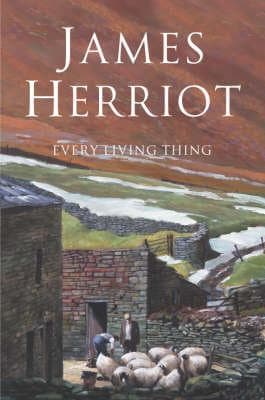
Every Living Thing cover
Archivist's Choice

Every Living Thing

James Herriot (1969)

Genre

Biography / Memoir

Reading Time

8-10 hours

Key Themes

See below

Track Your Reading

Sign in to track this book

In the Yorkshire Dales, James Herriot's life as a country vet is a heartwarming story of animal antics, human quirks, and a life devoted to every living thing.

Core Idea

James Herriot's 'Every Living Thing' continues the story of a country veterinarian's life in the Yorkshire Dales. It shows the daily work of animal care, the strong bonds between humans and animals, and the challenges and joys of rural practice. The book highlights the power of empathy, the need for humility when facing nature's unpredictability, and the satisfaction from a life of service, all while dealing with unusual animals and their owners.
Reading time
8-10 hours
Difficulty
Easy
✓ Read this if...
You love heartwarming stories about animals, enjoy gentle humor, appreciate slice-of-life narratives, or are fascinated by the life of a country vet in a bygone era.
✗ Skip this if...
You prefer fast-paced plots, are looking for intense drama, or dislike stories that are episodic and character-driven rather than plot-driven.

Core idea

The central argument and framework that powers the entire book.

James Herriot's 'Every Living Thing' continues the story of a country veterinarian's life in the Yorkshire Dales. It shows the daily work of animal care, the strong bonds between humans and animals, and the challenges and joys of rural practice. The book highlights the power of empathy, the need for humility when facing nature's unpredictability, and the satisfaction from a life of service, all while dealing with unusual animals and their owners.

At a glance

Reading time

8-10 hours

Difficulty

Easy

Read this if...

You love heartwarming stories about animals, enjoy gentle humor, appreciate slice-of-life narratives, or are fascinated by the life of a country vet in a bygone era.

Skip this if...

You prefer fast-paced plots, are looking for intense drama, or dislike stories that are episodic and character-driven rather than plot-driven.

Key Takeaways

1

The Unpredictable Symphony of Veterinary Life

No two days are ever the same when your patients can't speak.

Quote

Every day brought new challenges, new triumphs, and new heartaches. The only constant was change.

Herriot's life as a country vet shows how important adaptability is. A career with living creatures is always unpredictable. From the beauty of the Yorkshire Dales to the mud of a difficult calving, the story consistently highlights the spontaneous nature of his work. This unpredictability applies not only to animals but also to the many human personalities he meets. It emphasizes that flexibility, problem-solving under pressure, and empathy are more important than strict schedules. The variety of cases, from surgery to comforting an ...

Supporting evidence

Herriot recounts numerous instances where a routine call turns into an all-night vigil, such as a difficult birth in a remote farmhouse during a blizzard, or a sudden, unexplained illness striking down a farmer's prize animal, requiring immediate and creative intervention.

Apply this

Embrace the unexpected in your own work or life. Instead of resisting unforeseen challenges, view them as opportunities to develop resilience, creative problem-solving skills, and a deeper understanding of the world around you. Cultivate a 'go with the flow' mindset, especially when dealing with variables outside your control.


adaptabilityveterinary-medicinerural-lifeunpredictability
2

The Deep Connection Between Humans and Animals

Animals are often the quiet anchors of human lives, providing solace and purpose.

Quote

It was impossible to ignore the profound bond between people and their animals; a bond that transcended mere ownership and often spoke of love, companionship, and even shared identity.

Herriot shows the strong, often unspoken, relationships between Dales farmers and their livestock, and pet owners and their companions. These are not just economic relationships; they are deeply emotional. A farmer's worry over a sick cow, an elderly woman's quiet grief for her cat, or a child's affection for a new puppy, all reveal how important animals are to human well-being. This connection often forms the emotional center of Herriot's stories, showing how animals bring joy, comfort, and sometimes sorrow, reflecting human experien...

Supporting evidence

The story of Mrs. Pumphrey and her pampered Pekingese, Tricki Woo, is a prime example, showing an almost parental devotion. Another instance is the stoic farmer who, despite his gruff exterior, reveals deep concern for a favorite ewe during a difficult labor, showcasing an underlying tenderness.

Apply this

Recognize and cherish the unique bonds you have with animals, whether pets, working animals, or even the wildlife you observe. Understand that these relationships can offer significant emotional support and contribute to overall well-being. Extend empathy not just to the animal, but also to their human caretakers.

human-animal-bondempathycompanionshiprural-community
3

The Humility of the Healer

Despite expertise, a vet's greatest tool is often simply presence and perseverance.

Quote

No matter how much you learned, there was always more to discover, more to be humbled by in the face of nature's relentless power.

Herriot's story consistently shows a deep sense of humility, acknowledging the limits of vet science and the power of nature. He is not an infallible hero but a dedicated professional who often deals with uncertainty, admits mistakes, and learns from both successes and failures. This humility is refreshing and relatable. It emphasizes that even with much knowledge, some outcomes are beyond control. It also highlights the importance of simply 'being there' – offering comfort, trying one's best, and accepting the inevitable. This view e...

Supporting evidence

He often describes moments of doubt or anxiety before a difficult procedure, or the heartache of losing an animal despite his best efforts. His willingness to consult with other vets or older, more experienced farmers also speaks to his humility and commitment to learning.

Apply this

Cultivate humility in your own professional and personal life. Recognize that expertise doesn't equate to infallibility. Be open to learning from every experience, admit when you don't know something, and understand that some situations are simply beyond your control, requiring acceptance and perseverance.

humilityprofessional-ethicslifelong-learningperseverance
4

The Charm and Challenge of Rural Life

The beauty of the Dales is matched only by the grit required to live and work there.

Quote

The beauty of the Dales was a constant balm, but the harsh realities of country living were never far away.

Herriot describes the Yorkshire Dales as both beautiful and demanding. It is a place of natural beauty and peace, but it also requires great resilience and hard work from its people. The book vividly describes the changing seasons, the rugged land, and the isolation of rural life. This setting is not just a background but an active part of the story, affecting everything from travel difficulties in winter to the specific health issues of livestock. It shows a way of life that is both idyllic and challenging, where community ties are s...

Supporting evidence

Detailed descriptions of driving treacherous country roads in blizzards, navigating muddy fields in the dead of night, and the sheer physical labor involved in farming, all contrasted with lyrical descriptions of sun-drenched valleys and peaceful village scenes.

Apply this

Appreciate the interplay between environment and lifestyle. Understand that beautiful surroundings often come with unique challenges, and that resilience is built through confronting these head-on. Seek out experiences that connect you with nature, even if they require effort and adaptability.

rural-lifeyorkshire-dalesresiliencenature
5

Finding Joy in the Small Moments

Amidst the chaos and sorrow, quiet victories and simple pleasures sustain the spirit.

Quote

It was often in the smallest triumphs, the most unassuming moments of connection, that true joy could be found.

Despite his demanding job, Herriot consistently finds and celebrates moments of simple joy and satisfaction. These are not always big successes; they can be a healthy newborn animal, a kind word from a grateful farmer, a shared laugh with a colleague, or a sunrise over the Dales. This focus on the positive, even with hardships and heartbreaks, shows his optimistic spirit and appreciation for life. It reminds readers that fulfillment often comes from recognizing and enjoying everyday moments, rather than waiting for big achievements. T...

Supporting evidence

He often describes the profound satisfaction of successfully treating a critically ill animal, the warmth of a shared cup of tea with a farmer, or the quiet pleasure of watching his own children interact with animals.

Apply this

Practice mindfulness and gratitude by actively seeking out and appreciating the small joys in your daily life. Keep a journal of positive experiences, no matter how minor. Understand that consistent small moments of happiness contribute significantly to overall well-being and resilience.

gratitudemindfulnessoptimismsimple-pleasures
6

The Enduring Power of Empathy

Understanding and sharing the feelings of others is the cornerstone of effective care.

Quote

More than any medicine, it was often the simple act of understanding, of truly listening, that brought the greatest comfort.

Herriot's practice is defined by deep empathy, for his animal patients and their often-anxious human owners. He connects with people from all walks of life, understanding their concerns, fears, and hopes, even when unspoken. This empathy helps him navigate difficult conversations, deliver bad news with compassion, and celebrate successes with genuine joy. It shows that technical skill, while essential, is enhanced by the ability to relate to and care for the emotional well-being of those he serves. His stories remind us that true care...

Supporting evidence

His interactions with elderly, lonely farmers who primarily communicate through their animals, or the careful way he explains a prognosis to a distraught child, highlight his empathetic approach. He often takes time to listen to a farmer's worries, even if they aren't directly related to the animal's condition.

Apply this

Actively practice empathy in your daily interactions. Try to understand perspectives different from your own, listen attentively, and respond with compassion. Recognize that acknowledging others' feelings can build trust and improve outcomes in both personal and professional relationships.

empathycompassionpatient-careinterpersonal-skills
7

The Cycle of Life and Death in Nature

A vet's life is a constant confrontation with nature's raw, beautiful, and sometimes brutal realities.

Quote

Life and death were two sides of the same coin in the Dales, inextricably linked and always present.

Herriot's memoir clearly shows the natural cycle of life and death in animal care. He witnesses many births, bringing new life into the world, often in difficult circumstances. He also faces death frequently, whether from illness, accident, or necessary euthanasia. This constant exposure to the full range of existence leads to a deep understanding and acceptance of nature's processes. It teaches resilience in loss and a deep appreciation for every moment of health and vitality. The story encourages readers to see death not as a failur...

Supporting evidence

Descriptions of assisting a difficult calving, the joy of a litter of puppies, contrasted with the sorrow of having to put down a beloved, suffering animal, or the unexpected loss of a creature despite all efforts.

Apply this

Embrace the cyclical nature of life and loss. Understand that grief is a natural response to loss, but also recognize the resilience gained from navigating these experiences. Cultivate an appreciation for life's preciousness by acknowledging its finite nature.

life-cyclemortalitygriefresilience
8

The Enduring Value of Practical Skill and Experience

Book knowledge is vital, but hands-on experience is the ultimate teacher in the field.

Quote

Theory was one thing, but standing knee-deep in a muddy field with a sick animal was quite another. Experience was the truest textbook.

While Herriot is a trained professional, his stories emphasize that much of his learning comes not from books, but from direct, often messy, field experience. He highlights the gap between academic knowledge and the practical realities of diagnosing and treating animals in challenging conditions, often without ideal equipment or sterile environments. This underscores the importance of strong practical skills, sharp observation, and the ability to improvise. The book celebrates wisdom gained through years of 'doing,' showing that true ...

Supporting evidence

Numerous anecdotes describe him having to invent solutions on the spot, using unconventional tools, or relying on his intuition and years of observing animal behavior when textbook symptoms are unclear. His interactions with older, 'folk-wise' farmers who possess deep practical knowledge also illustrate this point.

Apply this

Prioritize hands-on learning and practical application in your own skill development. Don't just rely on theoretical knowledge; seek out opportunities to apply what you've learned in real-world scenarios. Value the wisdom gained from direct experience and be open to unconventional solutions.

practical-skillsexperienceproblem-solvingapprenticeship
9

The Quirky Charm of Rural Characters

The human inhabitants of the Dales are as memorable and diverse as the animals.

Quote

The animals were fascinating, but the people who owned them were often even more so.

Beyond the animals, Herriot's narrative features many memorable human characters. From Mrs. Pumphrey and her pampered Pekingese, Tricki Woo, to the gruff but kind-hearted farmers with their unique dialects, these individuals add much color, humor, and depth to the stories. Their quirks and traditions offer a fascinating glimpse into a specific time and place. These interactions highlight the social aspect of his vet work, where being a good communicator and understanding human nature is almost as important as understanding animal phys...

Supporting evidence

The vivid portrayals of characters like the perpetually optimistic Siegfried Farnon, the perpetually exasperated Tristan Farnon, and various farmers with their distinct personalities and often humorous interactions with Herriot.

Apply this

Appreciate the diversity of human personalities and perspectives. Cultivate patience and a sense of humor when interacting with people who have different communication styles or worldviews. Understand that every individual, no matter how eccentric, has a unique story and contributes to the richness of life.

character-studyhuman-naturerural-culturehumor

Critical analysis

Notable Quotes

If having a soul means being able to feel love and loyalty and gratitude, then animals are better off than a lot of humans.

Herriot's reflection on animal sentience and the depth of their emotions.

I have always felt that a dog is the most beautiful animal.

Herriot's general admiration for dogs, a recurring theme in his books.

The only way to be truly happy is to love your work.

A reflection on professional satisfaction and the joy Herriot found in his veterinary practice.

There is a special joy in the birth of an animal, a tiny new life entering the world.

Herriot often assisted with births and found profound meaning in the miracle of new life.

One thing I have learned in my life is that if you don't keep doing something, you lose the knack of it.

A practical observation about maintaining skills, particularly relevant to a busy vet.

The greatest gift you can give anybody is the gift of your time.

A general life philosophy, reflecting his dedication to his patients and clients.

There are times when it’s good to have a sense of humor, and this was one of them.

Often said in situations where things have gone comically wrong or are particularly challenging.

It seems to me that the only way to get through life is to keep a sense of perspective and a sense of humour.

A broader reflection on coping mechanisms for the difficulties of life and work.

Rural practice was often like that; moments of high drama interspersed with long periods of quiet observation.

Describing the varied pace and nature of his veterinary work in the Dales.

The quiet dignity of the old farmers, their faces etched with the weather and the years, was something I always admired.

Herriot's respect for the stoicism and character of the farming community.

Every animal has its own personality, its own way of responding to the world.

His deep understanding and appreciation for the individuality of each animal he treated.

Sometimes the best medicine is simply a kind word and a gentle touch.

A reflection on the importance of compassion and empathy in healing, for both animals and their owners.

Life had its ups and downs, but the good times always seemed to outweigh the bad in the end.

A philosophical outlook on the balance of experiences in his life and career.

There was a certain satisfaction in a job well done, especially when it involved saving a life.

His personal reward system, highlighting the fulfillment from successful veterinary interventions.

Quiz

Test Your Knowledge

Ready to see how well you understood this book? Take our interactive quiz with 10 questions.

10
Questions
~5
Minutes
?
Best Score

Key Questions (FAQ)

'Every Living Thing' is the final memoir by James Herriot, recounting his experiences and observations as a veterinary surgeon in the picturesque Yorkshire Dales. It's filled with heartwarming and humorous tales of the animals he treated and the people he met throughout his career.

About the author