BookBrief
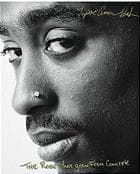
Dangerous Minds cover
Archivist's Choice

Dangerous Minds

LouAnne Johnson (1995)

Genre

Biography / Memoir

Reading Time

5-6 hours

Key Themes

See below

Track Your Reading

Sign in to track this book

An ex-Marine teacher, armed with unconventional tactics and unwavering belief, transforms a classroom of 'dangerous' inner-city sophomores into students who dare to dream and fight for their futures.

Core Idea

LouAnne Johnson's "Dangerous Minds" tells of her transition from a Marine to a high school English teacher in an inner-city school. It argues that traditional teaching methods often fail students from challenging backgrounds. The central idea is that effective teaching, especially in tough settings, requires an unconventional, empathetic, and sometimes manipulative approach. This approach focuses on real connection, high expectations, and a willingness to bend rigid rules to meet students where they are. Johnson shows that by treating students as complex individuals with unique struggles and potential, rather than as statistics, educators can help them learn and grow, changing both the classroom and the lives within it.
Reading time
5-6 hours
Difficulty
Easy
✓ Read this if...
You are an educator, aspiring teacher, social worker, or anyone interested in the profound impact of unconventional teaching methods and the power of empathy and resilience in challenging educational settings.
✗ Skip this if...
You prefer academic texts on education theory, are looking for a prescriptive guide to classroom management, or are uncomfortable with narratives that depict teachers bending or breaking rules for student benefit.

Core idea

The central argument and framework that powers the entire book.

LouAnne Johnson's "Dangerous Minds" tells of her transition from a Marine to a high school English teacher in an inner-city school. It argues that traditional teaching methods often fail students from challenging backgrounds. The central idea is that effective teaching, especially in tough settings, requires an unconventional, empathetic, and sometimes manipulative approach. This approach focuses on real connection, high expectations, and a willingness to bend rigid rules to meet students where they are. Johnson shows that by treating students as complex individuals with unique struggles and potential, rather than as statistics, educators can help them learn and grow, changing both the classroom and the lives within it.

At a glance

Reading time

5-6 hours

Difficulty

Easy

Read this if...

You are an educator, aspiring teacher, social worker, or anyone interested in the profound impact of unconventional teaching methods and the power of empathy and resilience in challenging educational settings.

Skip this if...

You prefer academic texts on education theory, are looking for a prescriptive guide to classroom management, or are uncomfortable with narratives that depict teachers bending or breaking rules for student benefit.

Key Takeaways

1

Beyond the Battlefield: The Marine Mindset in the Classroom

Leveraging discipline and unconventional tactics to command respect and attention.

Quote

I was trained to kill with my bare hands. And I was not afraid to use that training to keep order in my classroom.

LouAnne Johnson, a former Marine, brought a completely different teaching style to her 'dangerous' classroom. Her military background gave her strong resolve, strategic thinking skills, and a willingness to use unusual, even firm, tactics to establish authority. This was not about typical discipline; it was about showing a level of fearlessness and commitment that her students, who often lived in chaotic homes, could understand and respect. She used her past not to boast, but to project an image of someone not easily shaken, someone w...

Supporting evidence

Johnson's initial confrontation with the class, where she openly discussed her Marine background and implied her combat readiness as a means of establishing control, rather than relying on traditional school disciplinary measures.

Apply this

Educators, especially those in challenging environments, can benefit from cultivating a strong, unwavering presence and a clear communication style that leaves no room for ambiguity. While not all can claim military training, the principle of projecting confident authority and demonstrating an unyielding commitment to the students' well-being and the learning environment is universally applicable.

classroom-managementteacher-authorityunconventional-pedagogy
2

The Power of High Expectations (Even When Unspoken)

Seeing potential where others see only problems, and subtly communicating that belief.

Quote

Where the school system saw thirty-four unreachable kids, she saw young men and women with intelligence and dreams.

Johnson's main belief was in her students' natural abilities, which was a sharp contrast to the school's 'class from Hell' label. She did not just tell them they were smart; she designed lessons and interactions that challenged them, pushing them to meet expectations. This was not about being soft; it was about setting a high standard and giving them the help needed to reach it. Her refusal to accept the common idea that they would fail sent a strong, unspoken message that she expected more from them than anyone else had. In turn, the...

Supporting evidence

Her consistent efforts to engage students with complex literature and critical thinking, despite their initial resistance and the school's low expectations for their academic performance.

Apply this

For any mentor or leader, the most impactful tool is often a genuine belief in the potential of those they guide. Communicate high expectations through challenging assignments, genuine encouragement, and a refusal to allow self-limiting beliefs to take root. Provide the scaffolding, but never lower the bar.

growth-mindsetstudent-potentialteacher-expectations
3

Breaking the Rules for Better Outcomes

Prioritizing student well-being and engagement over rigid adherence to protocol.

Quote

When others gave up on them, she broke the rules to give them the best things a teacher can give—hope and belief in themselves.

Johnson was willing to bend or break school rules if she felt they stopped her from connecting with or teaching her students. This included things like letting students choose their own reading material (even if it was unconventional), creating informal 'field trips,' or simply providing a safe place for them to talk. Her actions showed that her main loyalty was to her students' growth and success, not to bureaucracy. This willingness to deviate from the norm not only made learning more accessible and engaging but also signaled to her...

Supporting evidence

Her use of popular culture and music lyrics in lessons, bringing in outside food, and organizing informal gatherings outside of class time, all of which likely skirted or outright violated school policy.

Apply this

Leaders and educators should critically evaluate rules and policies, asking if they truly serve the intended purpose or if they are inadvertently creating barriers. Sometimes, strategic non-compliance, when done ethically and with the primary goal of fostering positive outcomes, can be more effective than rigid adherence.

educational-innovationstudent-advocacyflexible-pedagogy
4

The Currency of Connection: Bribes, Bluffs, and Banter

Using unconventional social tools to build rapport and motivate students.

Quote

She bullied, bluffed, and bribed her students into caring about school.

Johnson used a range of social tactics to engage her students. Her 'bribes' were not always money; they often involved creating a good classroom environment, offering choices, or giving real attention and respect. Her 'bluffs' were about keeping an air of unpredictability and authority without using physical force, keeping students alert. Her 'bullying' was less about intimidation and more about directly challenging their indifference and self-defeating behaviors, often with a playful yet firm edge. This mix of tough love, humor, and ...

Supporting evidence

Her use of candy and small rewards for participation, engaging in verbal sparring with students, and her willingness to share personal anecdotes to build trust and relatability.

Apply this

Building rapport requires understanding the 'currency' of your audience. For some, it's intellectual challenge; for others, it's a safe space or a shared laugh. Be adaptable and willing to use a diverse toolkit of social interactions to foster engagement, even if it feels unconventional.

rapport-buildingstudent-engagementclassroom-dynamics
5

Empathy as a Strategic Tool

Understanding students' lives outside school to inform teaching and build trust.

Quote

These kids have tasted blood. They're dangerous. But LouAnne Johnson had a different idea.

Unlike the school administration that called her students 'dangerous,' Johnson wanted to understand why they acted the way they did. She saw that their aggression, indifference, and defiance were often ways of coping with difficult home lives, poverty, and systemic neglect. This empathetic understanding did not excuse their behavior but provided a vital way to approach them. By recognizing their struggles and showing real care for their well-being beyond academics, she was able to build connections that went beyond the typical teach...

Supporting evidence

Her efforts to learn about her students' home lives, their personal challenges, and the realities of their neighborhoods, which then informed her teaching strategies and her interactions with them.

Apply this

Effective leadership and teaching require deep empathy. Take the time to understand the contextual factors influencing those you lead. This understanding allows for more tailored support, builds trust, and fosters a sense of being seen and valued, which is fundamental for growth.

trauma-informed-educationstudent-supportempathetic-leadership
6

The Power of Narrative and Personal Story

Using relatable stories, including her own, to connect and inspire.

Quote

I told them stories, about my life, about other people, about the world. Stories were the bridges.

Johnson understood the appeal of a good story, especially for students who often felt disconnected from traditional academic texts. She shared personal anecdotes, stories from her military service, and tales about overcoming difficulties in her lessons. By sharing parts of her own life, she became more human and relatable, breaking down the barriers between teacher and student. This storytelling approach not only made lessons more engaging but also offered examples of resilience and possibility, helping students see themselves in a wi...

Supporting evidence

Her frequent use of personal stories, including her military experiences and struggles, to illustrate points, build rapport, and motivate her students.

Apply this

Whether teaching or leading, leverage the power of storytelling. Personal narratives, case studies, and relatable examples make abstract concepts tangible and create emotional connections that foster deeper understanding and engagement. Be vulnerable and authentic in your sharing.

storytelling-in-educationrelatabilityteacher-student-connection
7

Challenging Systemic Defeatism

Fighting against institutional low expectations and advocating for marginalized students.

Quote

When statistics showed the chances were they'd never graduate, she fought to beat the odds.

One of Johnson's most important challenges was against the school system itself, which had largely dismissed her students. She constantly pushed back against administrators, counselors, and even other teachers who promoted a narrative of failure. Her advocacy was not just in the classroom; it was in staff rooms, in meetings, and in her firm belief that her students deserved every chance to succeed. This systemic challenge highlights the importance of not just teaching students, but also fighting for their right to an equal education w...

Supporting evidence

Her confrontations with school administration regarding resources, curriculum choices, and the general attitude towards her 'difficult' class.

Apply this

Leaders and change-makers must be prepared to challenge entrenched systems and narratives that limit potential. Advocacy for marginalized groups often requires confronting institutional biases and persistently fighting for equitable resources and opportunities, even when it's unpopular.

educational-equitysystemic-changestudent-advocacy
8

The Classroom as a Sanctuary and a Battleground

Creating a safe space for learning while preparing students for a harsh reality.

Quote

I wanted my classroom to be a place where they felt safe, but also a place where they learned how to fight for themselves in the world.

Johnson's classroom was a contradiction: a safe haven from the often-violent and chaotic outside world, yet also a place where students learned to deal with those realities. She offered safety and acceptance, but she also pushed them to face their own weaknesses, develop critical thinking, and understand the power of their voices. This dual approach meant that while they were protected within her classroom, they were also gaining the resilience, self-awareness, and academic skills needed to survive and thrive outside of school, in the...

Supporting evidence

The contrast between the initial chaos and violence within the classroom and the eventual development of a supportive, albeit still challenging, learning community.

Apply this

Effective environments for growth balance safety with challenge. Create spaces where individuals feel secure enough to take risks, but also push them to develop the skills and resilience needed to face external challenges. Don't shield entirely; equip and empower.

resilience-buildingsafe-spacescritical-thinking
9

Curriculum as a Mirror and a Window

Making learning relevant by reflecting students' lives and opening new perspectives.

Quote

They hated Shakespeare until they realized he was writing about their lives.

Johnson skillfully connected traditional curriculum, like Shakespeare, to her students' current lives and experiences. By finding similarities between themes of power, betrayal, love, and struggle in classic literature and the realities of their inner-city existence, she turned academic subjects from abstract requirements into powerful tools for self-understanding and critical analysis. This approach made learning deeply personal and engaging, showing that any subject can become relevant if presented in a way that allows students to s...

Supporting evidence

Her innovative methods of teaching Shakespeare and poetry by relating themes and characters directly to the students' personal lives, their community issues, and popular culture.

Apply this

To maximize engagement, curriculum and content should serve as both a mirror (reflecting the learner's world) and a window (offering new perspectives). Leaders and educators should constantly seek ways to make learning personally relevant and to demonstrate its applicability to the real world, fostering intrinsic motivation.

curriculum-relevancestudent-voicecritical-literacy
10

The Unsung Heroes: The Teacher's Unwavering Commitment

The relentless personal cost and deep fulfillment of dedicated educators.

Quote

If you loved Stand and Deliver, you'll stand up and cheer for LouAnne Johnson and Dangerous Minds.

LouAnne Johnson's story shows the profound, often tiring, yet ultimately rewarding commitment of exceptional educators. Her success came not from a magic formula, but from relentless effort, personal sacrifice, and an unwavering belief in her students. She invested emotionally, physically, and often financially in their success, going far beyond a typical job. This takeaway emphasizes that while strategies and policies are important, the human element – a teacher's deep, personal dedication – is often the most critical factor in chang...

Supporting evidence

The numerous anecdotes throughout the book detailing her personal struggles, emotional investment, and the sheer amount of time and energy she dedicated to her students, often blurring the lines between professional and personal life.

Apply this

Recognize and support the immense personal investment required from dedicated educators. For those in leadership, foster environments that sustain rather than burn out such commitment. For individuals, understand that true impact often requires going above and beyond, driven by genuine passion and purpose.

teacher-dedicationeducational-impactvocational-calling

Critical analysis

Notable Quotes

I was an ex-Marine, not a social worker. I was there to teach English, not to fix their lives.

LouAnne's initial internal struggle and pragmatic approach to her new teaching job.

They were kids, but they weren't stupid. They just hadn't been given a reason to care.

LouAnne's realization about her students' intelligence and the root of their disengagement.

I threw out the textbooks. They were useless. I needed to find something that spoke to them.

LouAnne's radical decision to abandon the prescribed curriculum in favor of more relevant material.

You don't need a fancy degree to teach. You need a heart and a willingness to fight for these kids.

LouAnne's reflection on the true qualities required for effective teaching in challenging environments.

I learned more from them than they ever learned from me.

LouAnne's humble admission about the reciprocal nature of her teaching experience.

Every kid is a success story waiting to happen. Sometimes, they just need someone to believe in them.

LouAnne's core belief in the inherent potential of every student.

It wasn't about making them love poetry. It was about making them love themselves enough to try.

LouAnne's deeper goal behind her unconventional teaching methods.

The only way to reach them was to go into their world, not expect them to come into mine.

LouAnne's strategy for connecting with her students on their terms.

Fear can be a great motivator, but so can love. And love lasts longer.

LouAnne's comparison of motivational tactics and her preference for a positive approach.

They didn't need me to be their friend. They needed me to be their teacher, their advocate, their constant.

LouAnne clarifying her role and the boundaries of her relationship with her students.

Sometimes, the biggest lessons aren't found in books, but in the struggles and triumphs of everyday life.

LouAnne's broader perspective on the sources of true education.

I wasn't trying to save them. I was trying to give them the tools to save themselves.

LouAnne articulating her ultimate goal: empowering her students for self-reliance.

Every day was a battle, but every small victory felt like winning the war.

LouAnne describing the challenging yet rewarding nature of her teaching experience.

They were dangerous minds, yes, but not in the way the world thought. Dangerous because they challenged everything.

LouAnne's reinterpretation of the 'dangerous minds' label, highlighting her students' critical thinking.

Quiz

Test Your Knowledge

Ready to see how well you understood this book? Take our interactive quiz with 10 questions.

10
Questions
~5
Minutes
?
Best Score

Key Questions (FAQ)

'Dangerous Minds' is a memoir by LouAnne Johnson, an ex-Marine who becomes a high school teacher in an inner-city school. She chronicles her unconventional methods to engage and inspire a class of at-risk sophomores who have been labeled as unreachable.

About the author