BookBrief
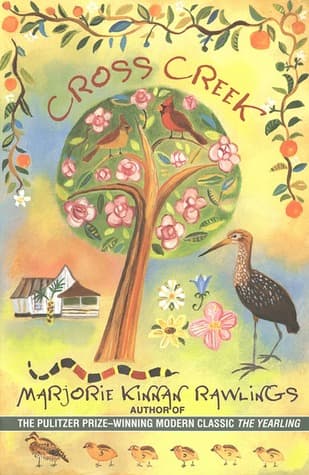
Cross Creek cover
Archivist's Choice

Cross Creek

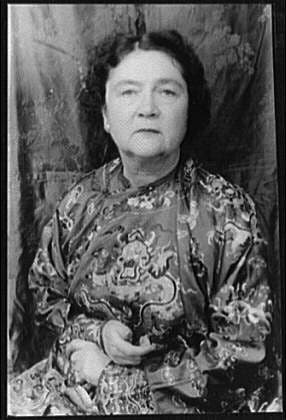
Marjorie Kinnan Rawlings (1942)

Genre

Biography / Memoir / History

Reading Time

10-12 hours

Key Themes

See below

Track Your Reading

Sign in to track this book

Marjorie Kinnan Rawlings, in the wild beauty of a Florida orange grove, navigates runaway pigs and colorful neighbors, finding humor, hardship, and a deep bond with the land that shapes her.

Core Idea

Marjorie Kinnan Rawlings' "Cross Creek" explores a life chosen to coexist with the wild Florida scrub. It suggests that true fulfillment and self-understanding come from immersing oneself in nature's rhythms, accepting its unpredictability, and building real relationships with both the land and its people. The book argues that a life without city complexities shows the inherent beauty, resilience, and connection in the natural world and the human spirit.
Reading time
10-12 hours
Difficulty
Easy
✓ Read this if...
You yearn for a simpler life, appreciate vivid nature writing, or seek a memoir about finding profound meaning and community in an unconventional, rural setting.
✗ Skip this if...
You prefer fast-paced narratives, dislike detailed descriptions of nature and rural life, or are looking for a plot-driven story rather than a reflective, character-focused memoir.

Core idea

The central argument and framework that powers the entire book.

Marjorie Kinnan Rawlings' "Cross Creek" explores a life chosen to coexist with the wild Florida scrub. It suggests that true fulfillment and self-understanding come from immersing oneself in nature's rhythms, accepting its unpredictability, and building real relationships with both the land and its people. The book argues that a life without city complexities shows the inherent beauty, resilience, and connection in the natural world and the human spirit.

At a glance

Reading time

10-12 hours

Difficulty

Easy

Read this if...

You yearn for a simpler life, appreciate vivid nature writing, or seek a memoir about finding profound meaning and community in an unconventional, rural setting.

Skip this if...

You prefer fast-paced narratives, dislike detailed descriptions of nature and rural life, or are looking for a plot-driven story rather than a reflective, character-focused memoir.

Key Takeaways

1

Embracing the Untamed Life

Finding profound meaning and connection in a life lived close to nature and its raw realities.

Quote

It seems to me that the earth may be loved as a human being may be loved.

Rawlings's memoir shows how moving to an untamed place can change someone. She did not just move to Cross Creek; she became part of its rhythms, its difficulties, and its wild beauty. This was not an escape from modern life but a choice to live a more basic existence. Her deep love for the earth is not romantic; it comes from the daily work of running an orange grove, fighting pests, and living with local wildlife. This commitment to a 'primitive' life, as she sometimes calls it, shows a deep belief: that true richness often comes fro...

Supporting evidence

Rawlings's detailed descriptions of her 72-acre orange grove, her struggles with droughts and freezes, and her observations of the Creek's flora and fauna, such as alligators and snakes, all illustrate her deep engagement with the natural world.

Apply this

Seek out opportunities to connect with nature on a regular basis, whether it's gardening, hiking, or simply observing local wildlife. Allow yourself to be challenged by natural elements, understanding that overcoming these challenges can foster resilience and a deeper appreciation for the environment.

nature-immersionrural-livingenvironmental-connection
2

The Art of Neighborly Connection

Cultivating genuine, unpretentious relationships with local characters defines the heart of a community.

Quote

The people of the Creek are as much a part of the Creek as the water and the earth and the trees.

Rawlings's skill with characters appears in her descriptions of the people of Cross Creek. These are not just background figures; they are central to her experience. She interacts with them, learns from them, and builds real connections. From the quiet Marshalls to the unusual Old Boss, each person is shown with warmth and respect, regardless of their social standing or education. Her interactions show a community built on shared experiences, mutual help, and honest communication. This point highlights that real community comes from a...

Supporting evidence

Her rich descriptions of characters like her farmhands, the Marshalls, and other locals, and the anecdotes of their interactions, such as sharing food, stories, and helping each other with farm tasks.

Apply this

Actively engage with your local community. Seek out conversations with neighbors, shopkeepers, and local characters. Be open to different perspectives and appreciate the unique contributions each person brings to the collective fabric.

community-buildingauthentic-relationshipslocal-culture
3

Resilience in the Face of Unruly Nature

Accepting and adapting to unpredictable challenges is fundamental to thriving in a wild environment.

Quote

Life at the Creek was a continuous struggle, but a struggle that brought its own rewards.

Rawlings's life at Cross Creek was far from perfect; it was a constant struggle against nature and her wild surroundings. Runaway pigs, difficult farmhands, droughts, freezes, and the constant threat of wildlife were daily facts. Yet, she faces these problems with humor, spirit, and tireless resolve. This point stresses the importance of resilience – not just recovering, but adapting and finding satisfaction in overcoming problems. It is about developing a mindset that sees challenges as part of the experience, rather than as interrup...

Supporting evidence

Her humorous accounts of chasing runaway pigs, dealing with difficult farmhands, and the constant vigilance required to protect her orange grove from various threats.

Apply this

When faced with unexpected difficulties, try to approach them with a problem-solving mindset and a sense of humor. Focus on adaptation and learning from the experience rather than becoming frustrated by what you cannot control.

resilienceadaptabilityproblem-solving
4

The Sustaining Power of Solitude

Finding creative inspiration and self-discovery in quiet introspection away from societal demands.

Quote

I do not know how I could have written without the solitude of the Creek.

For a writer, quiet is often needed, and Rawlings found plenty of it at Cross Creek. Beyond the practical need for quiet to write, her memoir suggests a deeper link between quiet and self-discovery. Away from the constant noise and expectations of city life, she could develop a rich inner world, observe her surroundings more closely, and process her experiences. This quiet was not loneliness; it was a fertile ground for creativity and thought. It allowed her to develop her unique voice and perspective, which are clear in her writing. ...

Supporting evidence

Rawlings frequently refers to the peace and quiet of the Creek as essential for her writing process, and her detailed observations of nature and people suggest a deep level of solitary contemplation.

Apply this

Schedule regular periods of uninterrupted solitude each week. Use this time for reflection, creative pursuits, or simply quiet observation, free from digital distractions and social obligations.

solitudecreativityintrospection
5

Food as a Cultural Anchor

The preparation and sharing of local food create profound connections to place and people.

Quote

The very taste of the place was in the food.

Food appears often in Cross Creek, serving as more than just nourishment. Rawlings often describes her cooking, local ingredients, and meals shared with her neighbors. These food experiences are deeply tied to the land and the community. Cooking with fresh, local produce, fish from the Creek, and game from the woods connects her directly to the land. Sharing these meals, often simple but satisfying, builds a sense of friendship and hospitality among the varied residents. This point shows how food traditions are strong cultural anchors...

Supporting evidence

Her detailed descriptions of preparing local dishes, such as frog legs, venison, and various fruit preserves, and her accounts of shared meals with her neighbors and guests.

Apply this

Explore local food markets and try to incorporate seasonal, locally sourced ingredients into your cooking. Share meals with friends and family, using food as a way to connect and celebrate your community.

food-culturelocal-cuisinecommunity-meals
6

The Nuance of Human Nature

Understanding and appreciating the complexities, flaws, and inherent dignity of every individual.

Quote

I have never found a man who was all bad, nor a woman all good.

Rawlings's portrayal of the people of Cross Creek is very insightful and fair. She captures their quirks, beliefs, biases, and inherent goodness without making them into stereotypes. From her often-difficult farmhands to the local 'crackers,' she looks past appearances to see their basic humanity. This point highlights the importance of understanding and a nuanced view of human nature. It suggests that true connection comes from accepting people as they are, recognizing their complexities, and finding dignity in their struggles and su...

Supporting evidence

Her detailed and often humorous anecdotes about the behaviors and beliefs of her farmhands, local hunters, and other residents, revealing both their flaws and their admirable qualities.

Apply this

Practice active listening and observation when interacting with others. Seek to understand the motivations and perspectives behind their actions, rather than making quick judgments. Embrace the diversity of human experience.

empathyhuman-dignitycharacter-analysis
7

The Cycle of Giving and Receiving

True belonging is fostered through acts of reciprocal generosity, both tangible and intangible.

Quote

The giving was as natural as the breathing of the air.

Life at Cross Creek, especially without formal services and a strong economy, required a culture of mutual help. Rawlings often describes times when neighbors helped each other with farm work, shared food, or offered support when needed. Importantly, this was not one-sided; Rawlings herself participated, giving as much as she received. This point emphasizes that real community and a sense of belonging are built on a continuous cycle of giving. It is about understanding that helping others, whether through practical aid, emotional supp...

Supporting evidence

Examples include her neighbors helping her with her orange grove, her sharing food and medical supplies, and the general spirit of exchange and assistance she describes among the Creek residents.

Apply this

Look for opportunities to help those around you, whether through volunteering, sharing your skills, or offering practical assistance. Be open to receiving help when you need it, fostering a balanced exchange.

mutual-aidgenerositycommunity-support
8

The Enduring Spirit of Place

A deep connection to a specific location can shape identity and provide a profound sense of rootedness.

Quote

I belong to the Florida cracker, and the Florida scrub, and the Florida sky.

More than just a background, Cross Creek becomes a character, deeply influencing Rawlings and shaping her identity. Her memoir is not just about her life there, but about the spirit of the place itself—its history, its ecology, and its unique culture. This point highlights the strong and often spiritual connection people can form with a specific location. This 'spirit of place' can offer a sense of rootedness, belonging, and even purpose. For Rawlings, Cross Creek was not just where she lived; it became a part of who she was, shaping ...

Supporting evidence

Her repeated declarations of belonging to Florida, her detailed descriptions of the landscape through changing seasons, and her evident deep emotional attachment to the Creek.

Apply this

Spend time exploring and learning about the history and ecology of your own locale. Cultivate a deeper appreciation for its unique characteristics and consider how it influences your own sense of self.

sense-of-placerootednessregional-identity
9

Finding Beauty in the Mundane

Appreciating the extraordinary within ordinary daily routines and natural phenomena.

Quote

The Creek was never dull, for there was always something to see, to hear, to feel.

Rawlings has a remarkable ability to find wonder and beauty in the everyday events of her rural life. A sunrise over the orange grove, a bird's call, the simple act of preparing a meal, or the changing seasons all become important. This is not about grand adventures but about the richness found in careful observation and presence. This point reminds us that life's deepest joys often come not from the spectacular, but from the ordinary, if we just take time to notice. It encourages a thoughtful approach to daily living, where every mom...

Supporting evidence

Her vivid descriptions of sunrises and sunsets, the sounds of the swamp, the growth of her plants, and the small, often humorous, daily events that fill her life at the Creek.

Apply this

Practice mindfulness in your daily routines. Take a moment to truly observe your surroundings, listen to sounds, and appreciate simple sensory experiences that you might otherwise overlook.

mindfulnessdaily-gratitudeattentive-living
10

The Power of Storytelling

Narrative shapes identity, preserves history, and builds bridges between individuals and generations.

Quote

Stories were the currency of the Creek.

Rawlings, as a writer, understood the power of stories. Her memoir itself shows this, but she also highlights how storytelling worked within the Cross Creek community. The local oral traditions, their anecdotes, legends, and personal histories, were vital for keeping their cultural identity and understanding their world. These stories were not just entertainment; they were how knowledge was passed down, how values were reinforced, and how people connected. This point emphasizes that storytelling is a basic human act that binds communi...

Supporting evidence

Rawlings frequently recounts stories told by her neighbors, such as tales of local history, hunting exploits, or personal anecdotes, which she then weaves into her own narrative.

Apply this

Share your own stories with others and actively listen to theirs. Consider documenting family histories or community narratives. Recognize the power of narrative in shaping understanding and connection.

oral-traditionnarrative-powercultural-heritage

Critical analysis

Notable Quotes

It seems to me that the earth may be borrowed but not bought. It may be used, but not owned. It gives itself in response to love and tending, not to money or a legal paper. The laws of man have no jurisdiction at Cross Creek.

Rawlings reflecting on her relationship with the land at Cross Creek and the futility of legal ownership.

The Creek is a sort of paradise, and I am a sort of Adam, naked and unashamed, tending my garden.

Describing her simple, unadorned life and connection to the land.

What is the meaning of it all? What is it we are seeking? What is the answer to the riddle of existence? I think it is to be found in the rhythm of life at Cross Creek.

Pondering existential questions and finding answers in the natural cycles of her home.

We at the Creek are not afraid of silence. We embrace it. It is a part of our lives, as much as the chirping of crickets or the croaking of frogs.

Highlighting the peaceful, quiet atmosphere of Cross Creek.

There is a dignity to poverty at the Creek, a self-sufficiency that is admirable. No one here is ashamed of honest toil.

Observing the resilience and pride of her neighbors despite their economic circumstances.

The wild things of the Creek are not merely background for our lives; they are participants, as much a part of the community as any human being.

Emphasizing the integral role of wildlife in the Cross Creek ecosystem.

Cooking at the Creek is not a chore; it is an art, a ritual, a celebration of the bounty of the earth.

Describing the joy and importance of preparing food from local ingredients.

The seasons at Cross Creek are not merely changes in weather; they are distinct personalities, each with its own mood and character.

Personifying the different seasons and their unique impact on the environment.

There is a certain loneliness to life at the Creek, but it is a chosen loneliness, a comfortable solitude.

Acknowledging the isolation but framing it as a positive and deliberate choice.

The land has a memory, and it tells its stories to those who are willing to listen.

Suggesting that the history and essence of the land can be understood through careful observation.

Hospitality at the Creek is not an obligation; it is a reflex, a natural outpouring of generosity.

Commenting on the inherent kindness and welcoming nature of her neighbors.

I have found that the truest riches are not measured in money, but in the richness of one's experiences and the depth of one's connection to the earth.

Reflecting on what truly constitutes wealth and fulfillment.

Life at Cross Creek is a constant lesson in humility. The earth reminds you daily of your smallness, and your dependence on its whims.

Describing how living close to nature instills a sense of humility.

The swamp is not a place of dread, but a place of mystery, of hidden beauty, and of life teeming in its own wild way.

Challenging common perceptions of swamps and highlighting their ecological value.

Quiz

Test Your Knowledge

Ready to see how well you understood this book? Take our interactive quiz with 10 questions.

10
Questions
~5
Minutes
?
Best Score

Key Questions (FAQ)

'Cross Creek' is a warm and delightful memoir by Marjorie Kinnan Rawlings, author of 'The Yearling.' It details her experiences living for thirteen years in the remote Florida hamlet of Cross Creek, managing an orange grove and interacting with the local community.

About the author

Marjorie Kinnan Rawlings

Marjorie Kinnan Rawlings was an American writer who lived in rural Florida and wrote novels with rural themes and settings. Her best known work, The Yearling, about a boy who adopts an orphaned fawn, won a Pulitzer Prize for fiction in 1939 and was later made into a movie of the same name. The book was written before the concept of young adult fiction, but is now commonly included in teen-reading lists.