Mindfulness is Practical, Not Mystical
Buddhism offers actionable tools for daily life, regardless of belief.
Quote
Don't try to use what you learn from Buddhism to be a Buddhist; use it to be a better whatever-you-already-are.
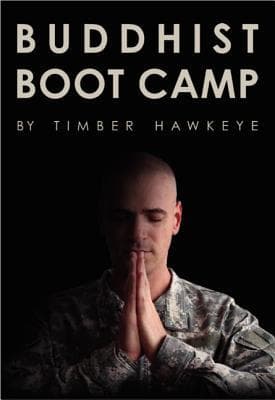
Hawkeye explains Buddhist principles well, showing them not as religious dogma but as practical mental training. The main message is that mindfulness, compassion, and ethical conduct are tools for reducing suffering and improving well-being. It is less about adopting a new identity and more about improving your current one through conscious choices and disciplined thought. The 'boot camp' comparison shows this is active mental conditioning, not passive thought. This approach makes ancient wisdom available and relevant to a modern audi...
Supporting evidence
The author repeatedly references the Dalai Lama's quote and frames the entire book as a 'boot camp' for the mind, implying a practical, training-oriented approach rather than a theological one. The short, digestible chapters themselves serve as practical exercises.
Apply this
Approach daily challenges with a 'boot camp' mindset: identify a mental habit (e.g., complaining, judging), set an intention to change it, and practice new responses consistently. Focus on the actionable steps of mindfulness (like pausing before reacting) rather than getting caught up in the 'idea' of being mindful.