The Invisible Man: A Shift in Perception
Experiencing the world through a different skin color fundamentally alters one's perception of self and others.
Quote
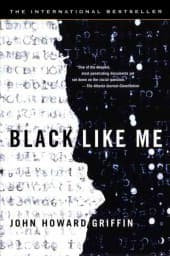
I was not a man. I was a Negro. My skin had changed, but my mind had not. Yet, the world's perception of me had shifted entirely, and with it, my reality.
Griffin's initial change immediately shows how much racial identity affects social interaction. As a white man, he was used to being seen, acknowledged, and treated with respect. The moment he 'became' Black, he stopped being an individual and became a 'Negro'—a generalized, often unseen, and frequently suspected person. This shift was not just about how others saw him, but how he started to feel that perception, sensing the weight of collective assumptions and biases. He describes the shock of being ignored, dismissed, or viewed with...
Supporting evidence
Griffin's early experiences in New Orleans, where he recounts being unable to find a restroom, being ignored by bus drivers, or encountering immediate suspicion from white shopkeepers, despite his polite demeanor.
Apply this
Actively challenge your own unconscious biases by seeking out diverse perspectives and experiences. Engage in 'perspective-taking' exercises, even if metaphorical, to understand the daily realities of marginalized groups. Support initiatives that promote empathy and understanding across racial divides.