Jesus' Uniqueness: Claims and Implications
Jesus' self-perception as divine sets him apart from all other religious figures.
Quote
Either this man was, and is, the Son of God, or else a madman or something worse.
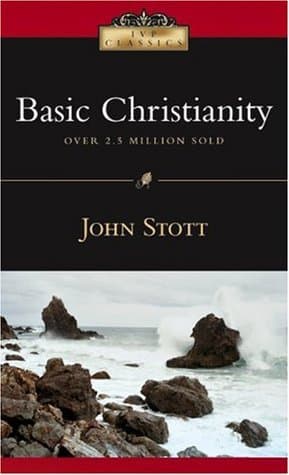
Stott carefully builds the case for Jesus' claims, showing that Jesus consistently presented himself as more than a prophet or good teacher. He claimed to be God's Son, with divine authority to forgive sins, judge humanity, and offer eternal life. This is not just a theological idea but a historical one, found in the Gospels. Stott argues that if these claims are true, Jesus calls for worship and obedience; if false, he was either a deluded fanatic or a deliberate deceiver. This clear choice, famously made by C.S. Lewis, is the book's...
Supporting evidence
Analysis of Jesus' 'I AM' statements in John's Gospel (e.g., 'I am the way, the truth, and the life,' 'I am the bread of life'), his claims of authority to forgive sins (Mark 2:5-10), and his acceptance of worship.
Apply this
Reflect on the implications of Jesus' claims for your own worldview. Is he merely a historical figure, a moral teacher, or truly divine? Your answer profoundly impacts your understanding of reality and ethics.