BookBrief
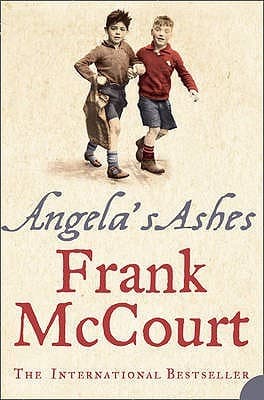
Angela's Ashes cover
Archivist's Choice

Angela's Ashes

Frank McCourt (1996)

Genre

Biography / Memoir / History

Reading Time

9-12 hours

Key Themes

See below

Track Your Reading

Sign in to track this book

In Depression-era Limerick, young Frank McCourt navigates an impoverished Irish Catholic childhood, sustained by his father's captivating stories and his own spirit, turning hardship into a tale of resilience, humor, and ultimate forgiveness.

Core Idea

Angela's Ashes is a memoir detailing Frank McCourt's impoverished childhood in Limerick, Ireland, during the 1930s and 40s. It shows how extreme poverty, an alcoholic father, and the Catholic Church shaped his early life, creating both deep shame and a desire for escape and self-improvement. The book shows that despite suffering and deprivation, the human spirit, especially in childhood, can be remarkably resilient, finding solace and strength in storytelling, family, and a persistent hope for a better future.
Reading time
9-12 hours
Difficulty
Medium
✓ Read this if...
You are interested in a raw, intimate, and often humorous account of extreme poverty and resilience in 20th-century Ireland, told through the eyes of a child who never lost his spirit.
✗ Skip this if...
You prefer books with a strong plot-driven narrative, are sensitive to descriptions of squalor and hardship, or dislike stories with significant religious themes (especially critical ones).

Core idea

The central argument and framework that powers the entire book.

Angela's Ashes is a memoir detailing Frank McCourt's impoverished childhood in Limerick, Ireland, during the 1930s and 40s. It shows how extreme poverty, an alcoholic father, and the Catholic Church shaped his early life, creating both deep shame and a desire for escape and self-improvement. The book shows that despite suffering and deprivation, the human spirit, especially in childhood, can be remarkably resilient, finding solace and strength in storytelling, family, and a persistent hope for a better future.

At a glance

Reading time

9-12 hours

Difficulty

Medium

Read this if...

You are interested in a raw, intimate, and often humorous account of extreme poverty and resilience in 20th-century Ireland, told through the eyes of a child who never lost his spirit.

Skip this if...

You prefer books with a strong plot-driven narrative, are sensitive to descriptions of squalor and hardship, or dislike stories with significant religious themes (especially critical ones).

Key Takeaways

1

The Weight of Irish Poverty

Poverty in Limerick was a pervasive, suffocating force, shaping every aspect of life.

Quote

Worse than the ordinary miserable childhood is the miserable Irish childhood, and worse yet is the miserable Irish Catholic childhood.

McCourt's memoir shows the reality of poverty in Depression-era Limerick. It was not just a lack of money; it was a systemic deprivation that affected every part of existence. From constant hunger and the desperate search for food (like the pig's head for Christmas) to rags used as diapers and relying on communal pumps for water, the daily struggle for survival was relentless. This poverty was not just physical; it created a specific resignation and a struggle against damp, cold, and disease that defined the McCourt children's early l...

Supporting evidence

The constant descriptions of hunger, the struggle to find coal for warmth, the sharing of one lavatory among many families, and the children's recurring illnesses (typhoid, conjunctivitis) all stem directly from their impoverished circumstances.

Apply this

Reflect on how systemic issues, not just individual choices, can create insurmountable barriers. Advocate for social safety nets and policies that address root causes of poverty, understanding its far-reaching, dehumanizing effects.

systemic-povertysocioeconomic-determinismirish-history
2

The Power of Storytelling as Escape

In a bleak reality, the father's tales offered a vital, if fleeting, refuge and a spark of imagination.

Quote

My father is a storyteller and he can make the worst things sound like grand adventures.

Despite Malachy McCourt's failings as a provider, his gift for storytelling was a complicated legacy. His tales of Irish heroes like Cuchulain and the whimsical 'Angel on the Seventh Step' gave moments of imaginative escape from the harsh realities of hunger and squalor. These stories offered more than entertainment; they gave young Frank a love for narrative, a way to process his experiences, and perhaps a template for his own future as a writer. This highlights the human need for narrative and imagination, especially in times of har...

Supporting evidence

Frank's vivid recollections of his father's stories, particularly the 'Angel on the Seventh Step' that explains the arrival of babies, and the way these tales captivated him and his siblings, despite their father's irresponsibility.

Apply this

Recognize the therapeutic and transformative power of stories. Engage in storytelling, whether reading, writing, or sharing oral histories, to connect, inspire, and provide solace, especially in difficult times.

narrative-therapyoral-traditionimagination-resilience
3

Maternal Sacrifice and Resilience

Angela McCourt embodies the relentless, often thankless, endurance of a mother fighting for her children.

Quote

My mother, Angela, has no money to feed the children since Frank's father, Malachy, rarely works, and when he does he drinks his wages.

Angela McCourt is a picture of the sacrifices mothers make under extreme duress. Constantly battling hunger, societal judgment, and her husband's alcoholism, she is a figure of weary resilience. Her desperate pleas for charity, her willingness to beg, and her constant efforts to keep her children fed and clothed, even if inadequately, show a maternal instinct to protect and nurture. Her moments of despair are understandable, yet she consistently faces another day, showing a raw, unyielding love that is both heartbreaking and inspiring...

Supporting evidence

Angela's repeated visits to the St. Vincent de Paul Society, her attempts to pawn clothes and furniture, her occasional desperate fits of tears, and her consistent, though often failed, efforts to secure food for her children.

Apply this

Cultivate empathy for those facing impossible choices due to poverty. Support initiatives that empower mothers and families, recognizing the immense emotional and physical labor involved in raising children in challenging circumstances.

maternal-instinctresilience-psychologygender-roles-poverty
4

The Hypocrisy of Religious Piety

The Church, while central to Irish life, often appeared more concerned with dogma than genuine compassion.

Quote

The Church was everywhere in Limerick, telling us what to do and what not to do, but not much about how to eat.

McCourt critiques the pervasive, often hypocritical, influence of the Catholic Church in Limerick. While providing a framework for community and morality, the Church often appears detached from the suffering of its parishioners. Priests and teachers often gave harsh judgments and strict dogma, emphasizing sin, rather than offering practical aid or compassionate understanding for those struggling with extreme poverty. The memoir highlights the contrast between religious rhetoric and the daily realities of starvation and deprivation, su...

Supporting evidence

The children's strict religious education, the emphasis on confession and sin, the priests' often harsh demeanor, and the Church's limited practical assistance compared to its moral pronouncements, particularly regarding poverty and sexuality.

Apply this

Critically examine institutions, including religious ones, for alignment between their stated values and their actions, particularly concerning social justice and care for the marginalized. Advocate for compassion and practical aid over rigid dogma.

religious-hypocrisysocial-critiqueirish-catholicism
5

The Enduring Scars of Shame

Poverty and social stigma inflicted deep psychological wounds, particularly the shame of being 'less than'.

Quote

The worst thing about being poor is the shame, the shame of not having shoes, the shame of wearing rags.

Beyond the physical hardships, McCourt conveys the emotional toll of poverty, particularly the sense of shame. From wearing tattered clothes and having to beg for food to living in squalor, every aspect of the McCourts' lives was marked by social stigma. This shame was not just personal; it was often reinforced by relatives, neighbors, and even institutions, creating a feeling of being 'less than.' This psychological burden is as damaging as the physical deprivation, affecting self-worth and perpetuating a cycle of internalized inferi...

Supporting evidence

Frank's embarrassment over his clothes, his reluctance to attend school due to his appearance, the shame associated with receiving charity, and the constant awareness of being judged by others for their family's destitution.

Apply this

Challenge societal narratives that stigmatize poverty. Practice empathy and non-judgment towards individuals experiencing hardship, understanding that shame can be a significant barrier to seeking help and improving circumstances.

poverty-stigmasocial-shamepsychological-impact-poverty
6

The Resilience of Childhood Spirit

Despite immense suffering, children find moments of joy, mischief, and hope.

Quote

When you're a child, you don't know you're poor. You just know you're hungry.

Even in the darkest moments, McCourt's narrative has the spirit of childhood. Despite hunger, illness, and constant hardship, Frank and his brothers play, imagine, and experience fleeting moments of joy. Their mischievous antics, their friendships, and their simple pleasures (like a piece of candy or a trip to the cinema) show the resilience of children. This resilience is not about ignoring the pain, but about finding pockets of light and normalcy amidst the chaos. It is a reminder that the human spirit, especially in youth, can adap...

Supporting evidence

The boys' games in the lanes, their adventures exploring Limerick, Frank's friendships with other boys, and their shared excitement over small treats or rare outings, despite their dire home life.

Apply this

Nurture and protect the innocence and joy of childhood, recognizing its vital role in developing resilience. Create opportunities for play and imagination, especially for children facing adversity, as these are crucial for healthy development.

childhood-resilienceplay-therapyoptimism-in-adversity
7

The Complexities of Familial Love

Love within the McCourt family was deeply flawed, yet undeniably present amidst dysfunction.

Quote

My father was a drunkard, but he was my father, and I loved him in spite of everything.

The McCourt family dynamic is a study in complex, often painful, love. Malachy's alcoholism and irresponsibility cause suffering, yet Frank's narrative holds an enduring affection for his father, particularly for his storytelling. Angela, despite her despair, fights for her children. The bond between Frank and his siblings, especially with his younger brother Malachy, is a source of mutual support and shared experience. This portrayal shows that love in families, especially those under extreme stress, is rarely simple. It can coexist ...

Supporting evidence

Frank's nuanced descriptions of his father, the brothers' shared experiences of hunger and mischief, and Angela's desperate efforts to protect her children, despite her own failings and despair.

Apply this

Practice compassion and understanding for the complexities of family relationships, acknowledging that love can exist alongside significant challenges and imperfections. Avoid simplistic judgments of dysfunctional families.

family-dynamicsdysfunctional-familiesunconditional-love
8

The Drive for Escape and Self-Improvement

Despite their circumstances, Frank and his peers harbored a powerful yearning for a better life, often symbolized by America.

Quote

America was the land of opportunity, where you could be anything you wanted, where there were no poor people.

Throughout his childhood, Frank McCourt and many of his peers held onto a dream of escape, primarily to America. This yearning was not just about leaving Limerick; it was about transcending the poverty, the shame, and the limited opportunities that defined their lives. America represented a mythical land of abundance, a place where one could reinvent oneself and achieve dignity. This drive for self-improvement and a better future, fueled by a dissatisfaction with their present, shows the human spirit's refusal to be permanently confin...

Supporting evidence

Frank's determined efforts to save money, his various odd jobs (delivering coal, telegrams), his aspirations to get a job in England or America, and the general cultural understanding that 'America' was the ultimate escape for many Irish.

Apply this

Foster environments that encourage aspiration and provide pathways for individuals to achieve their goals, particularly for those from disadvantaged backgrounds. Recognize the importance of hope and opportunity as drivers of human progress.

social-mobilityamerican-dreamaspiration-psychology
9

The Redemptive Power of Memory and Humor

McCourt's ability to recount profound suffering with wit and compassion transforms trauma into art.

Quote

When I look back on my childhood I wonder how I managed to survive at all. It was, of course, a miserable childhood: the happy childhood is hardly worth your while.

The most astounding aspect of 'Angela's Ashes' is McCourt's ability to infuse even the most harrowing details of his childhood with humor and compassion. His narrative voice, with its dry wit and matter-of-fact tone, keeps the memoir from becoming purely tragic. This blend of suffering and levity allows the reader to engage with hardship without being overwhelmed, showing how humor can be a coping mechanism and a tool for processing trauma. McCourt's forgiveness, evident in his portrayal of even his most flawed family members, turns p...

Supporting evidence

The opening lines of the book, which immediately establish a humorous, self-aware tone about his 'miserable Irish Catholic childhood,' and his consistent use of witty observations and anecdotes even when describing dire situations.

Apply this

Cultivate a perspective that allows for humor and compassion even in the face of adversity. Recognize the therapeutic and connective power of sharing personal stories, particularly when infused with an honest, balanced perspective.

trauma-narrativedark-humormemoir-as-healing

Critical analysis

Notable Quotes

Worse than the ordinary miserable childhood is the Irish childhood, and worse yet is the miserable Irish Catholic childhood.

The opening lines of the memoir, setting the tone for the struggles to come.

My father is a man who likes his pint.

A simple, recurring observation about his father's alcoholism and its impact on the family.

There were too many of us and too little to go around.

Reflecting on the constant hunger and deprivation faced by the McCourt family.

It was the first time I felt the power of words.

Frank's early experiences with reading and storytelling, finding solace and escape.

You might be a king or a queen or a president, but the poorest bum on the street has a right to his dignity.

A lesson learned about human dignity, regardless of social status.

The master said it was a mortal sin if you told a lie, but it was all right if you told a white lie.

Frank grappling with the complex moral teachings of the Catholic Church.

They say you can never go home again. I say you can't go home until you do.

A reflection on the enduring pull of his past and the need to confront it.

It was the smell of poverty that stuck to me, the smell of the lavatory and the damp walls and the unwashed clothes.

Describing the pervasive and inescapable reality of their impoverished living conditions.

The Irish have a great ear for misery.

A humorous yet poignant observation about the Irish cultural tendency towards lament and storytelling about hardship.

All I wanted was to go to America, to get away from the rain and the misery.

Frank's ultimate dream and motivation throughout his childhood: escaping Limerick for a better life.

I was a boy and I had a right to my own thoughts.

Frank asserting his budding individuality and independence amidst the oppressive environment.

There was a time when I thought I would never laugh again.

A testament to the profound suffering he endured, but also a hint of his eventual resilience.

If you're poor, you're expected to be humble.

Commenting on the societal expectations and judgments placed upon the impoverished.

It was a happy childhood, he says, when I was a child. But it wasn't a happy childhood, he thinks, when I was a child.

Frank reflecting on the complex and often contradictory nature of memory and his own past.

Quiz

Test Your Knowledge

Ready to see how well you understood this book? Take our interactive quiz with 10 questions.

10
Questions
~5
Minutes
?
Best Score

Key Questions (FAQ)

'Angela's Ashes' is a memoir by Frank McCourt that details his impoverished childhood in Limerick, Ireland, after being born in Brooklyn to Irish immigrant parents. It chronicles his struggles with poverty, hunger, and loss, alongside his family's dysfunctional dynamics.

About the author